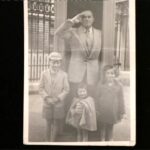
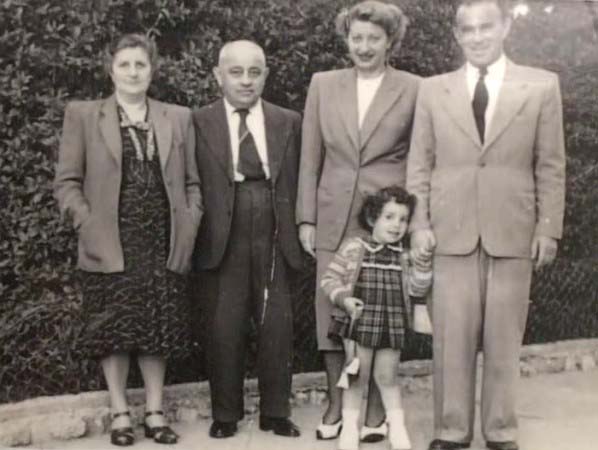
Klara Sharp: With first husband
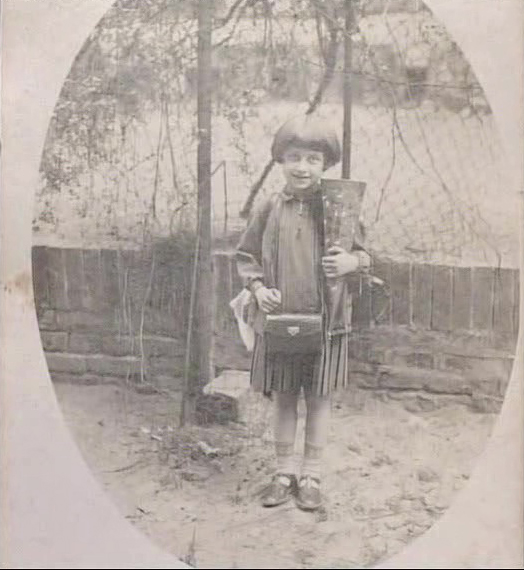
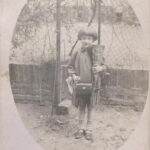
Klara Sharp: With Schultüte on her first day at school
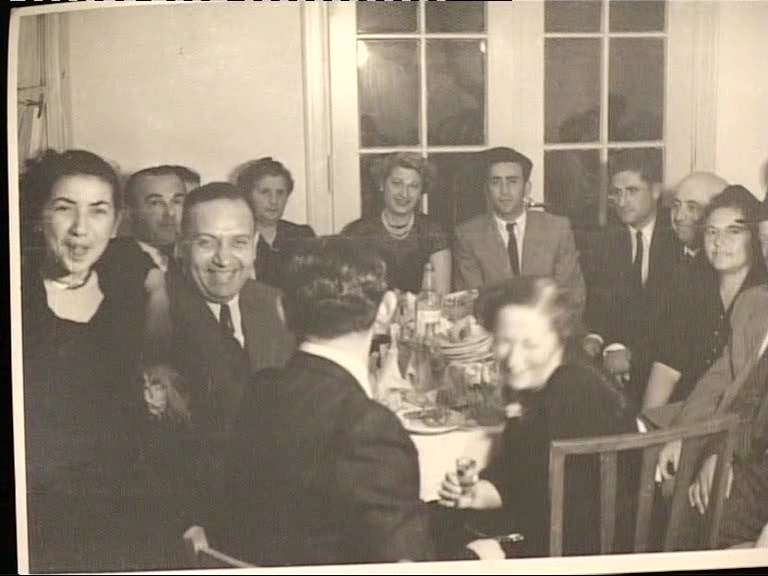
Klara Sharp: With family
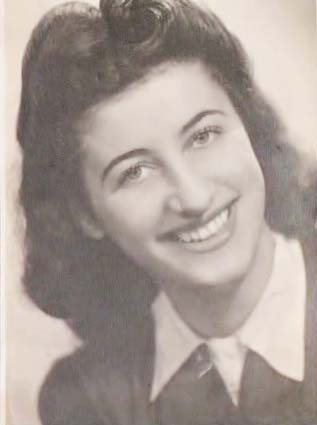
Klara Sharp: Klara in Shanghai
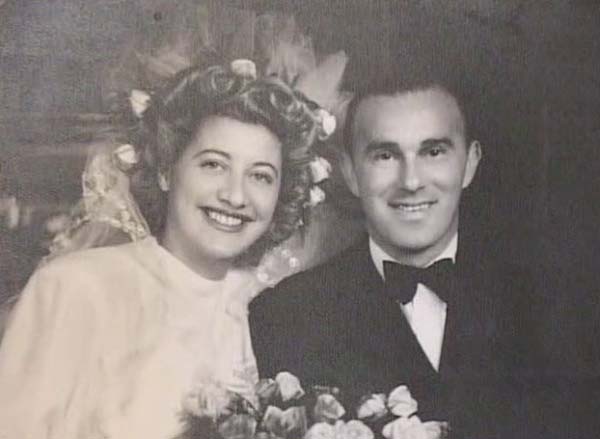
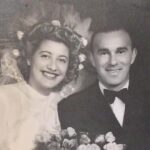
Klara Sharp: Wedding
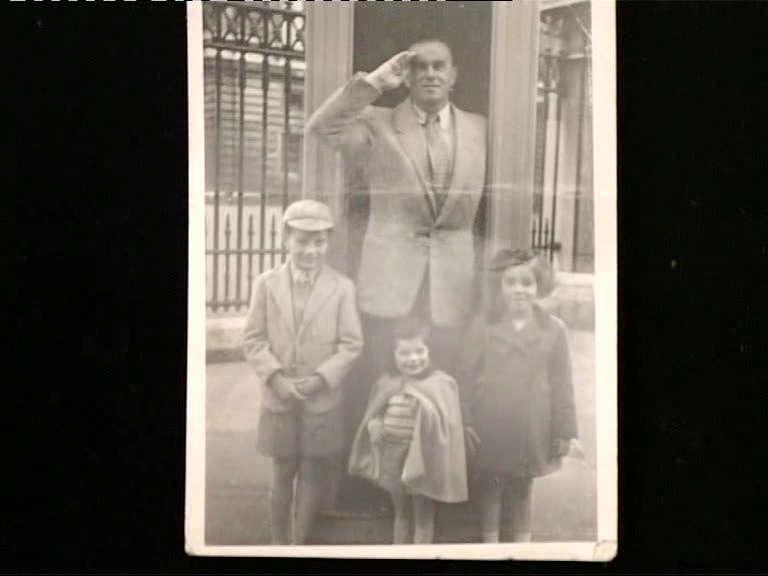
Klara Sharp: London
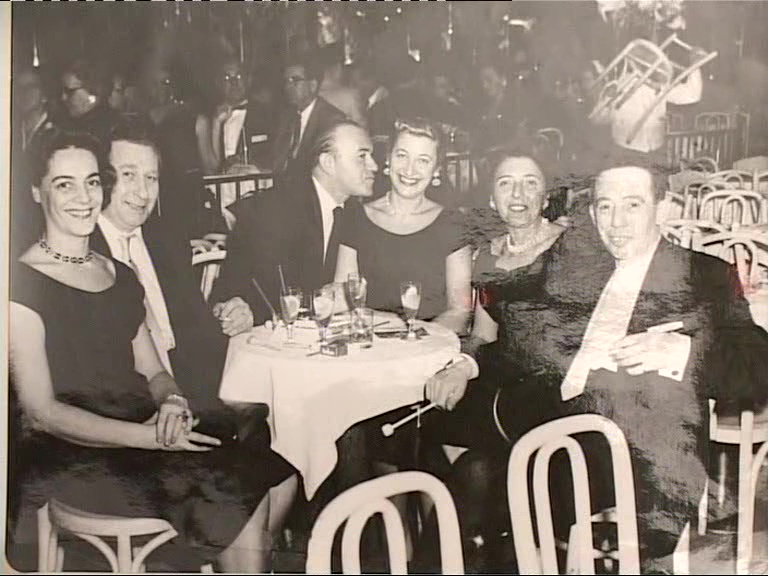
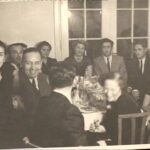
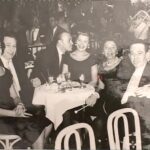
Klara Sharp: In a New York nightclub with her husband and friends. "In the middle is me and my first husband and there is another two couples which are our friends. It must have been between – well we were ten years in America - so it must have been somewhere in the middle between ’52 and ’62. In the middle."
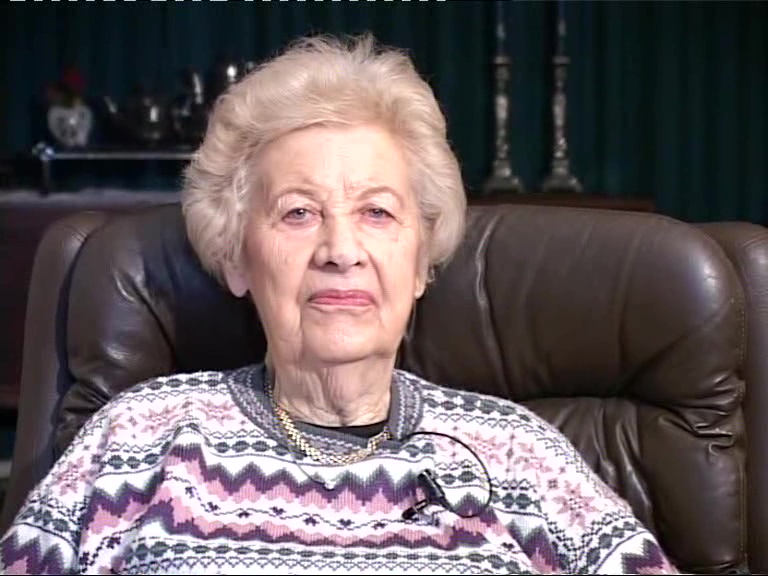
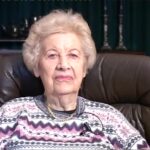
Klara Sharp: February 2005
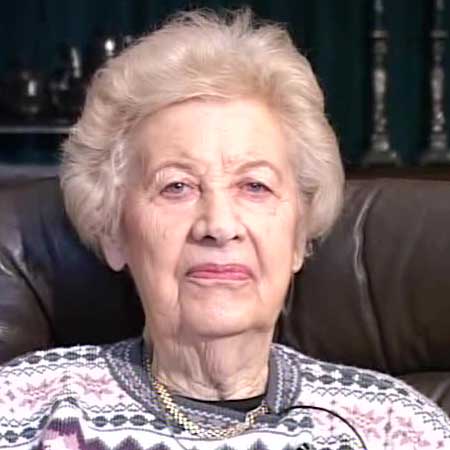
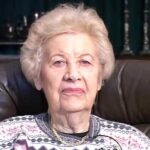
Klara Sharp
Klara Sharp (née Wittenberg) grew up in Berlin
Born: 1922
Place of Birth: Berlin
Arrived in Britain: 15/05/1905
Interview Number: 90 (N)
Experiences: Emigration to Shanghai , Japanese Internment
Interview Summary
Klara Sharp (née Wittenberg) grew up in Berlin. Her parents had come from Poland and were stateless. Her father had a knitwear factory. Klara went to Theodor Herzl school and later learnt hat-making. The family sailed to Shanghai on a boat run by the Italian Lloyd Triestino lines in 1939. When the Japanese occupied the city, the Jews were interned in a part of Shanghai called Hongkew.
Klara married in 1946 to a fellow refugee and had a daughter in 1947. In 1948 they emigrated to Israel, and in 1952 moved to the US. After her husband died in 1962, Klara came to the UK where her sister had settled, and married again. She has kept in touch with other people who spent the war in Shanghai and has attended several reunions.
Place of Birth
At that time we thought, ‘Now the war’s over - everything will be wonderful’. But it wasn’t really. Because we couldn’t leave Shanghai. The American and British had all been evacuated. The Communists were just outside Shanghai. There was no resistance.
When we arrived in Shanghai there was really nothing. They had what they call a Heim - a home. You didn’t get hardly anything to eat. I had to immediately start to make some money. I talked to someone and he said that there is a Russian bakery which has shops all over Shanghai always looking for salesgirls. … ‘You can start tomorrow.’
And when the war broke out between Japan and America they put the Americans and British into camps. And the ones that were neutral had an armband with an ‘N’ and they thought we were their friends being German and they said ‘Will you celebrate our victories with us?’ Till the Germans told them that we were not their friends, we were their enemies. But they didn’t want to put us into camps any more case they had to feed all these British and Americans so they put us in a ghetto where we couldn’t go out. But we had to fend for ourselves.
My father, strangely, like some others, thought that Hitler wouldn’t last, you know, it would be a passing thing. So then they waited and waited, which was of course not very clever.
And in the nightclub where I worked as a waitress…, the Lambeth Walk was popular in those days you know. The thing was we had a very good band which was a well-known German band – a Jewish band [called Weber]. And he used to call us in the middle and we used to dance and we all wore uniform. And we were about 12 waitresses you now. We had to dance with the Lambeth Walk. That was the show – the entertainment show. Yes and you know we had terrific tips because they felt so sorry for us – you know - that German girls have to be waitresses and so on. I helped my parents quite a bit with that.
REFUGEE VOICES is the AJR’s groundbreaking Holocaust testimony collection of filmed interviews with Jewish survivors and refugees from Nazi Europe who rebuilt their lives in Great Britain.
The copyright of personal photos and documents on the site is held by each interviewee and may not be reproduced without their permission. Please contact the AJR if you would like to use any of the images and documents.