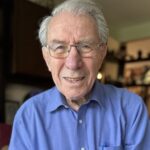
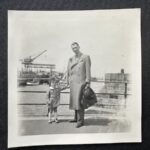
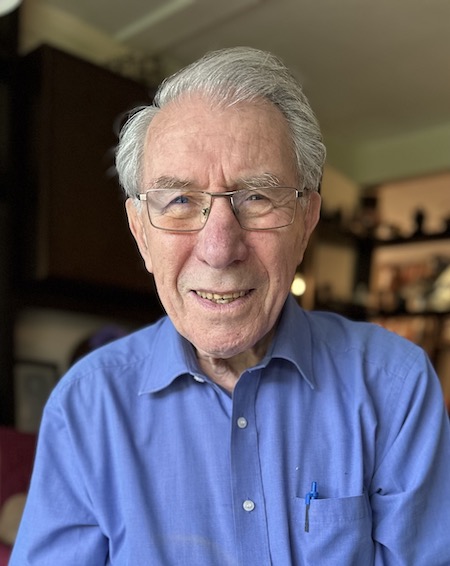
Michael Heppner: 2023
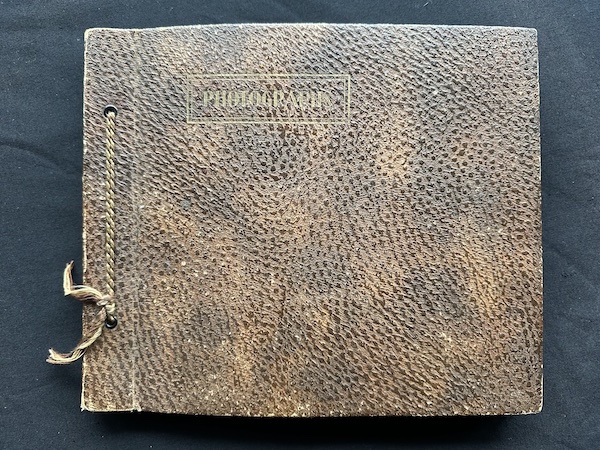
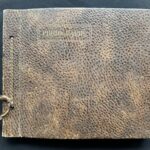
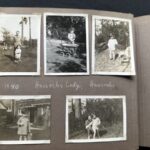
Michael Heppner: photo album
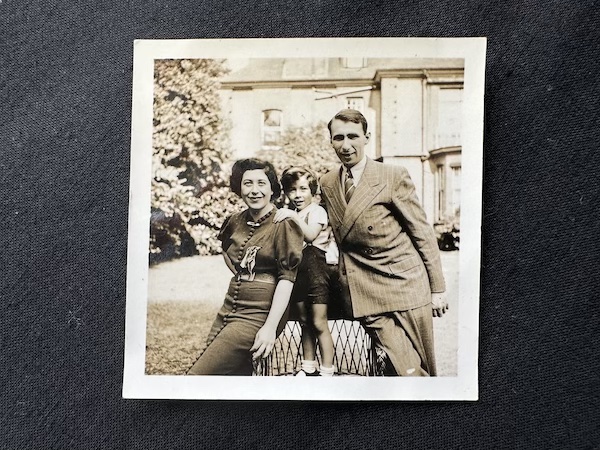
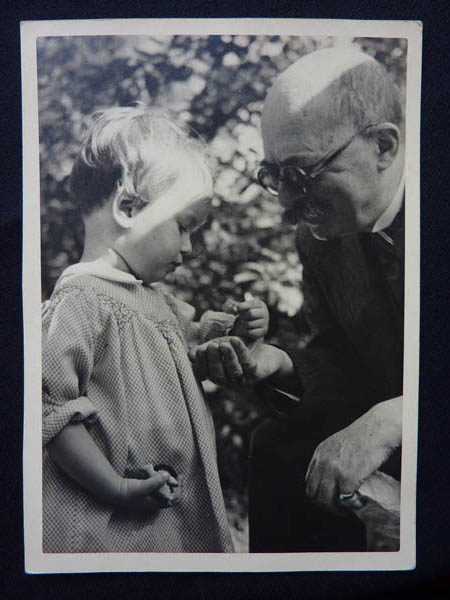
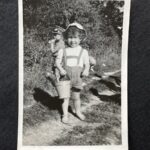
Michael Heppner: Summer 1941
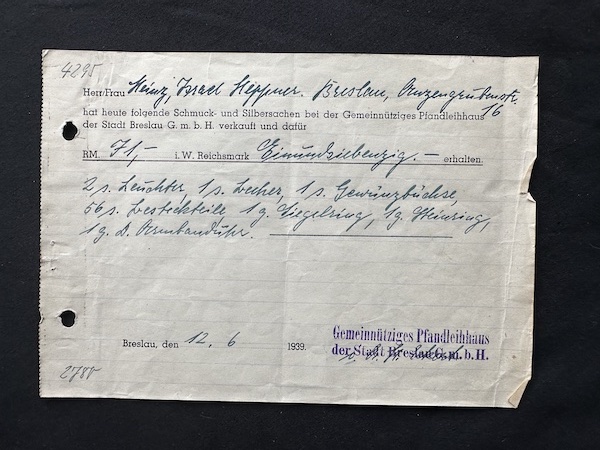
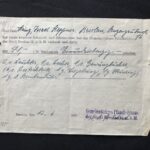
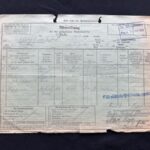
Michael Heppner: Bill of sale for silver and gold items for 71 Marks by Heinz Heppner (father) in Breslau
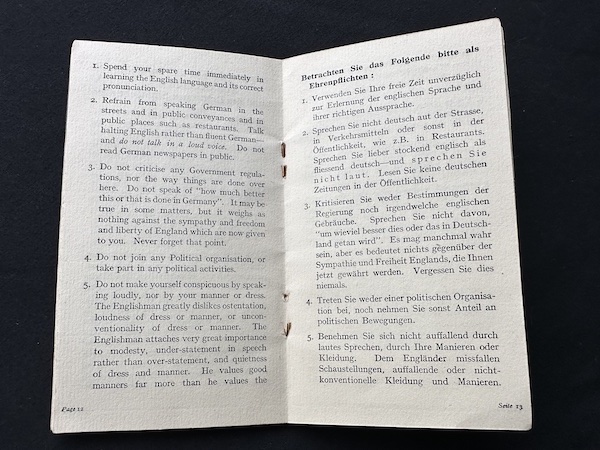
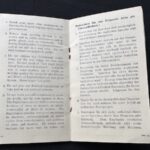
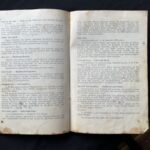
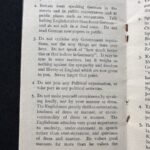
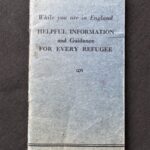
Michael Heppner: Book given to German refugees by Bloomsbury House: "Helpful guidance for every Refugee"
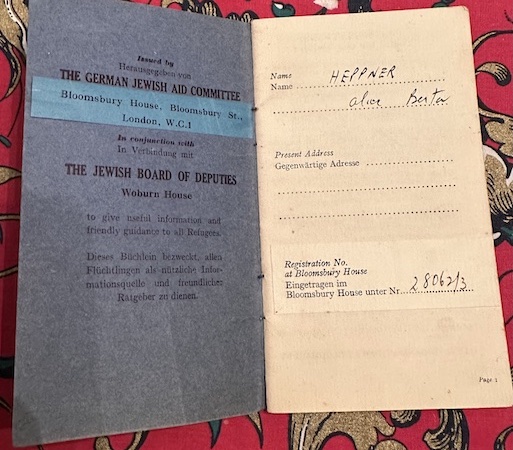
Michael Heppner: Book given to German refugees by Bloomsbury House: "Helpful guidance for every Refugee"
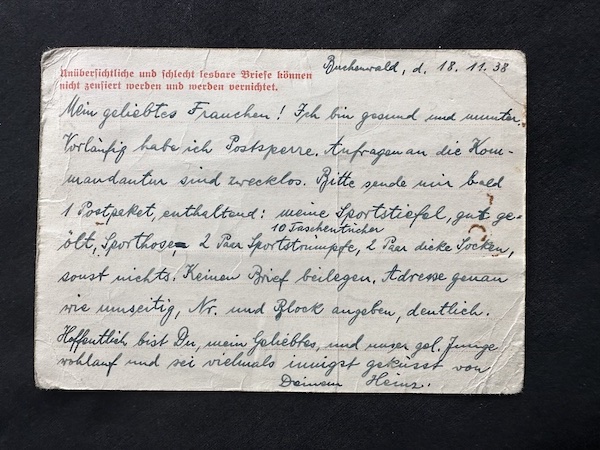
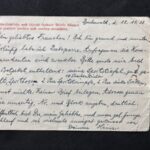
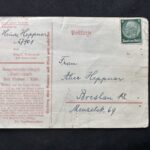
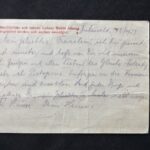
Michael Heppner: Second postcard from Buchenwald: "mail is suspended and he asks her to send different items of clothing"
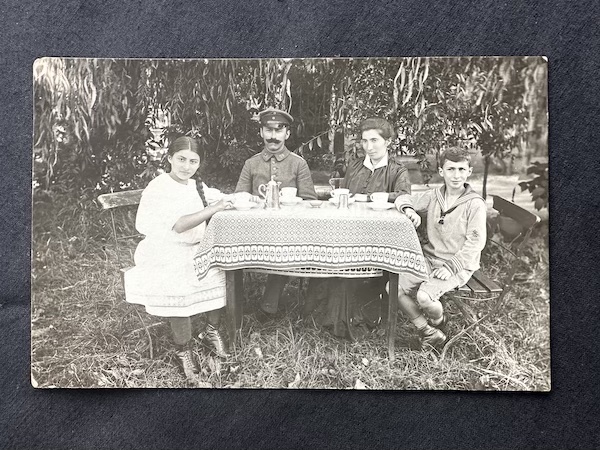
Michael Heppner: Lissa
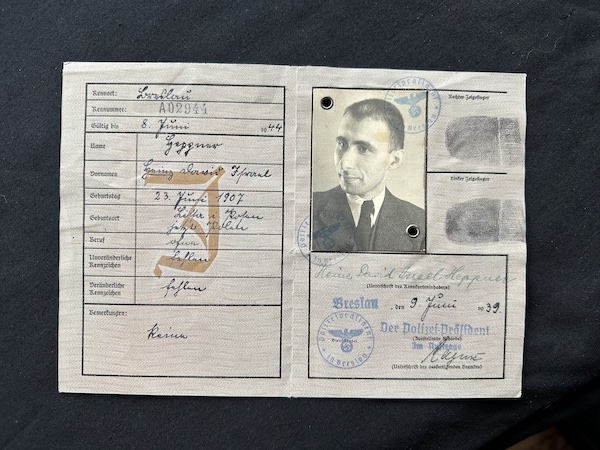
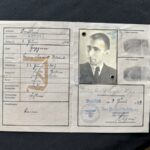
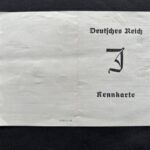
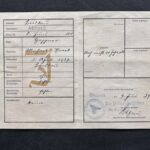
Michael Heppner: Father's identity card with the red "J"
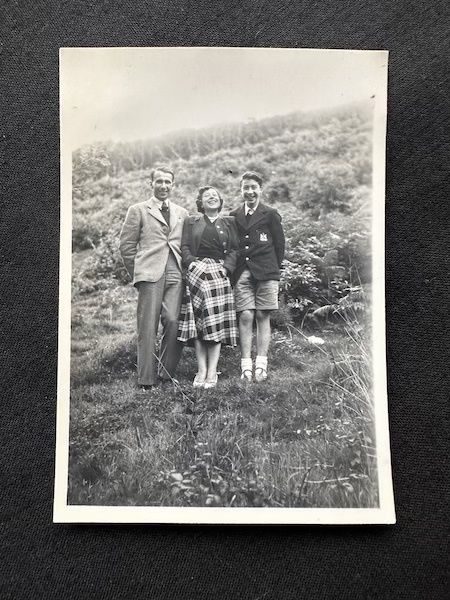
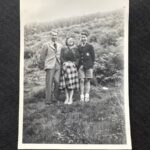
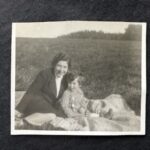
Michael Heppner: With his parents in Devon on holiday in 1950
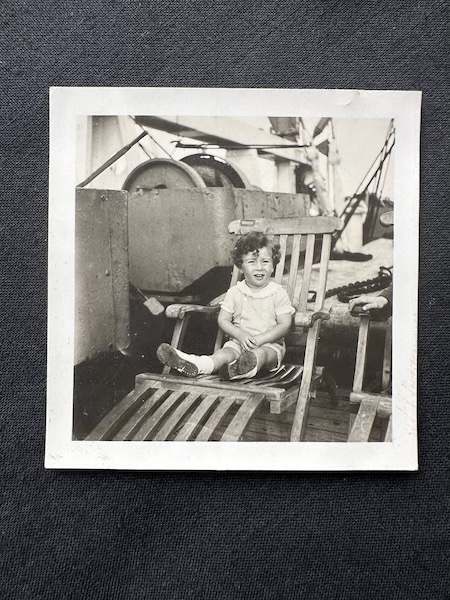
Michael Heppner: On board of MS Roosevelt leaving from Hamburg on 4th July 1939
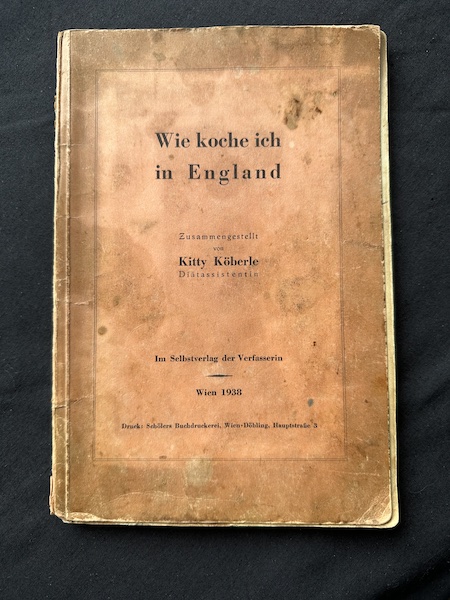
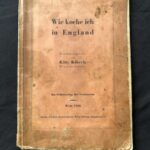
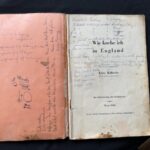
Michael Heppner: His mother received this book after qualifying as a cook having attended a six -months training course in Breslau: "How to cook in England"
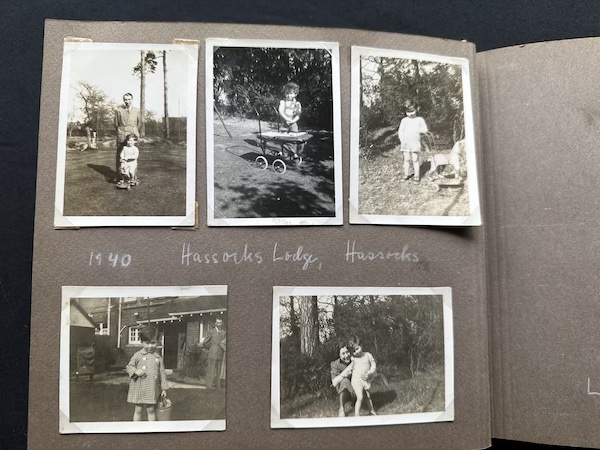
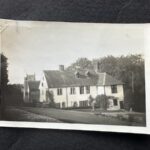
Michael Heppner: Hassock's Lodge December 1939 where mother worked as a domestic (MH visiting from the children's home)
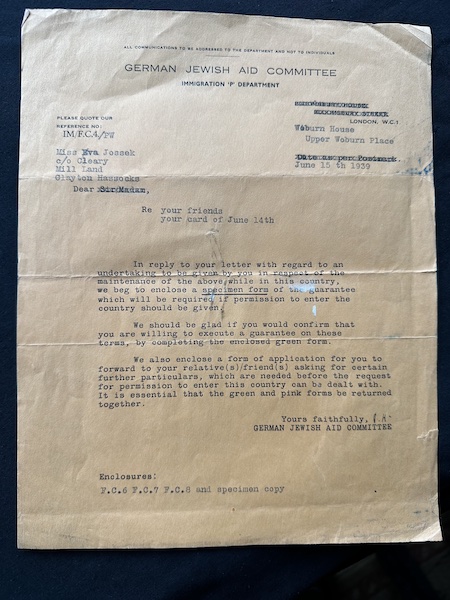
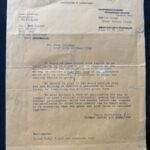
Michael Heppner: Letter from German Jewish Aid Committee to mother's sister Eva explaining how to obtain domestic permits for MH's family
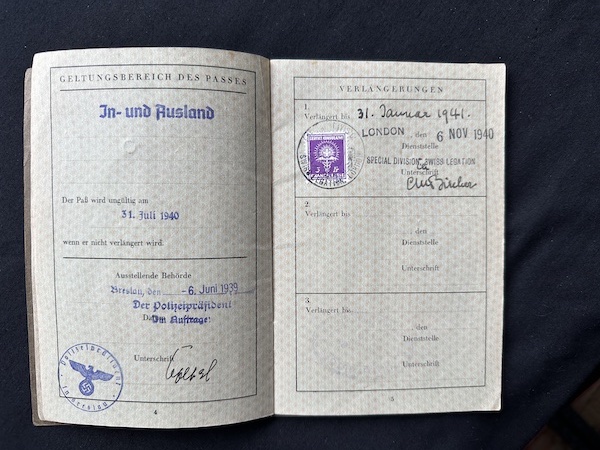
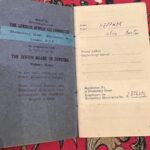
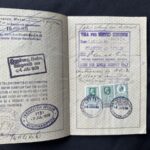
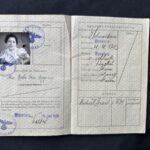
Michael Heppner: Mother's passport
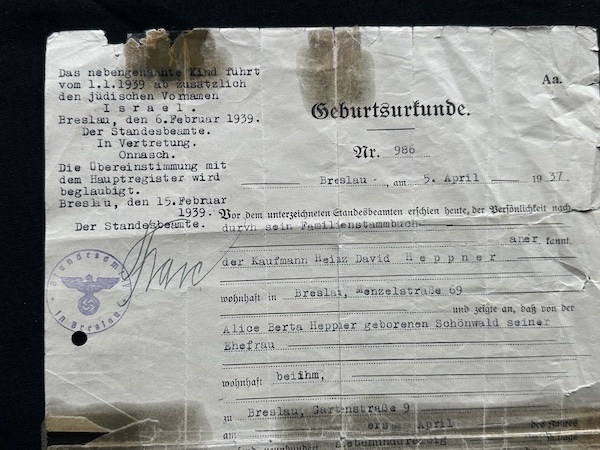
Michael Heppner: In the new August 1938 law
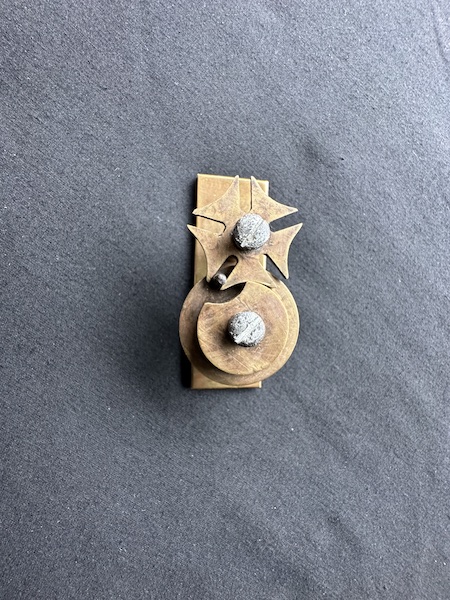
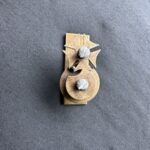
Michael Heppner: MH's father trained as a tool maker in England and as part of six-months-training he had to show his skills and make precision items: This is a working model of a wheel which drives a cog
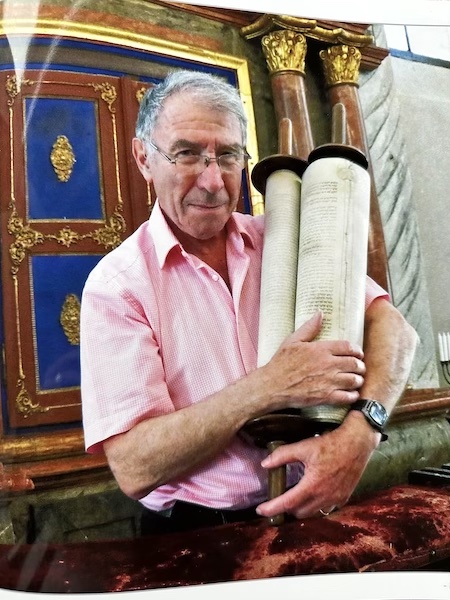
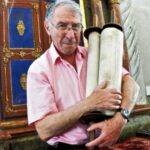
Michael Heppner: MH with the scroll in the synagogue in Kolin. He was the research director of the Memorial Scrolls Trust from 2002-2010
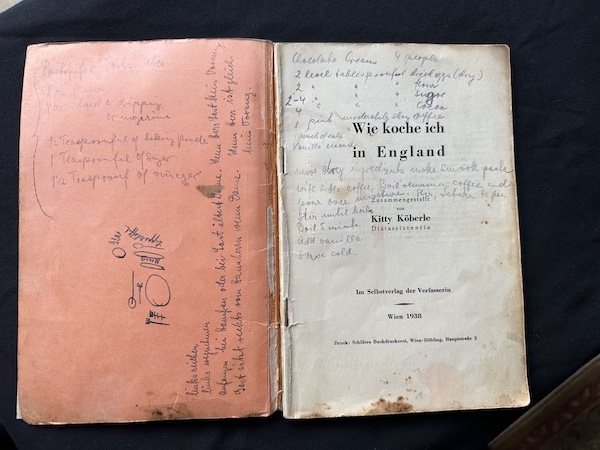
Michael Heppner: Mother's personal notes in the cookery book "How to cook in England" on how to serve and then collect the plates
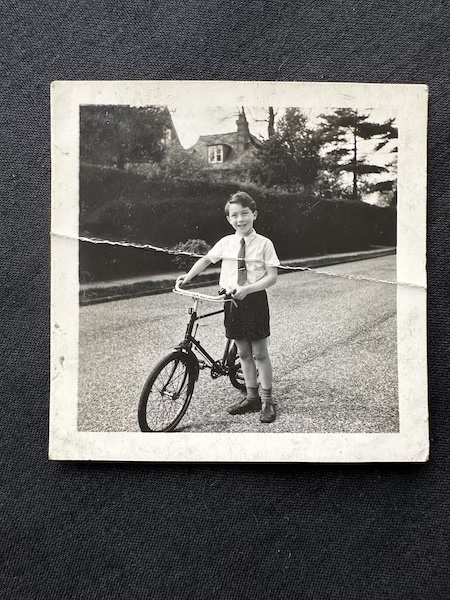
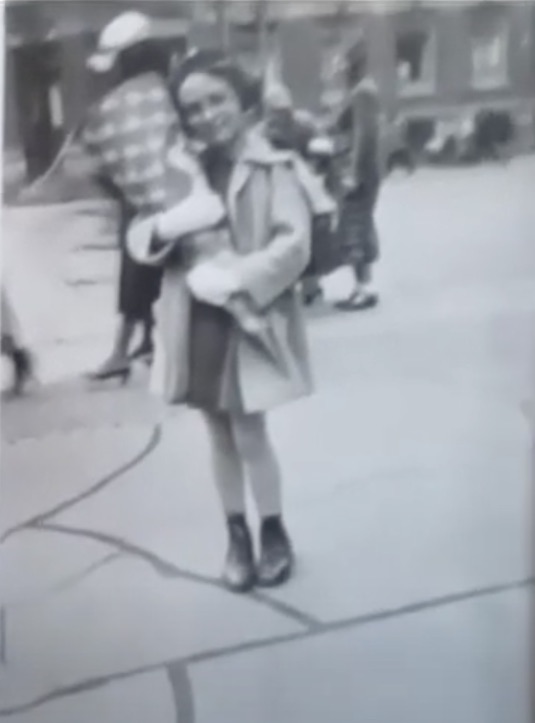
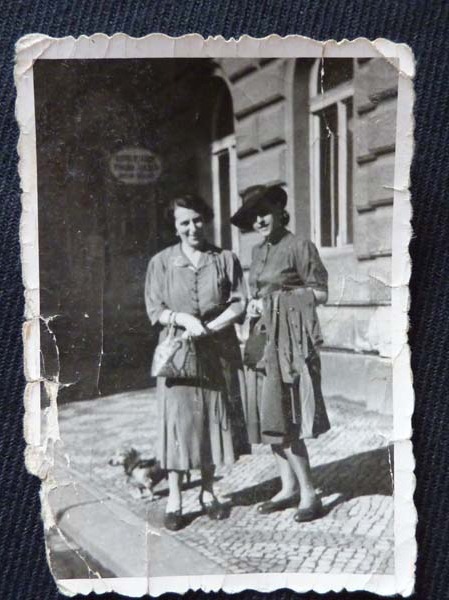
Michael Heppner: 1945
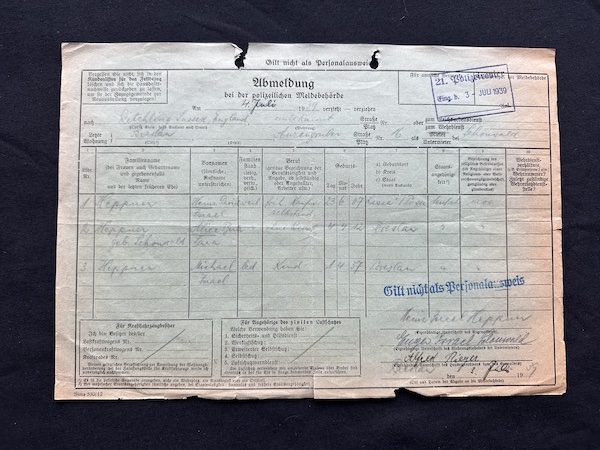
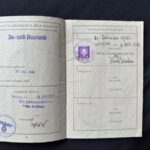
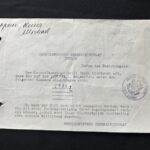
Michael Heppner: Document of deregistration when the Heppner family left Germany in July 1939
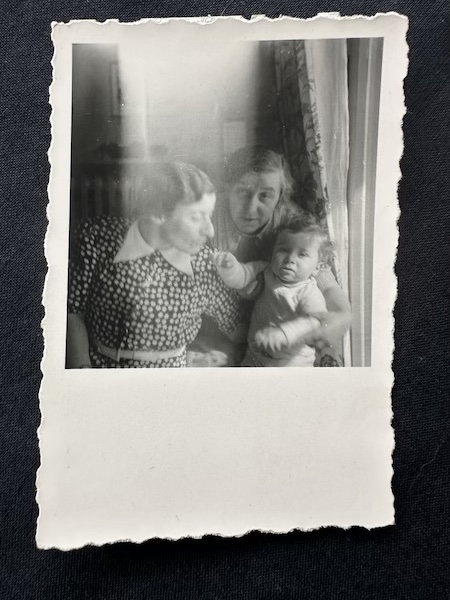
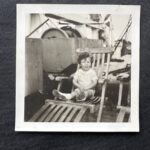
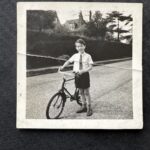
Michael Heppner: 1938 with aunt Else and nanny
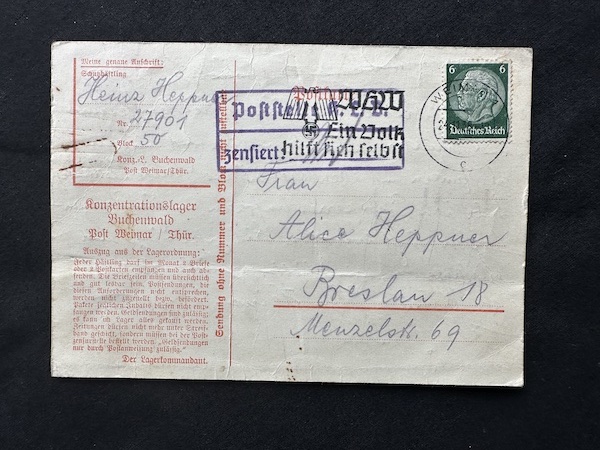
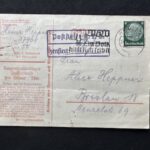
Michael Heppner: First postcard from Buchenwald concentration camp sent by his father to the mother in November 1939 (front)
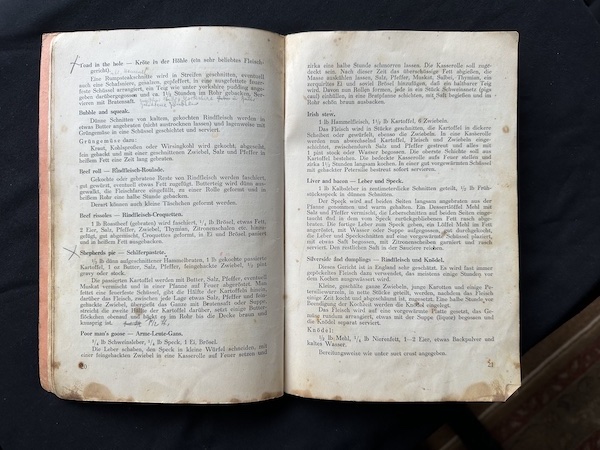
Michael Heppner: Mother's cookery book
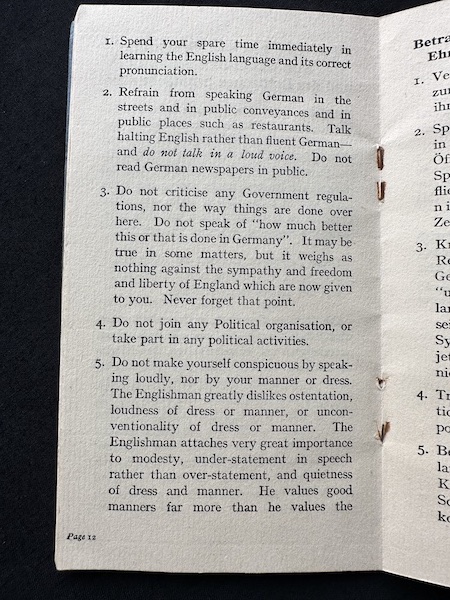
Michael Heppner: Examples for good behaviour for German refugees in England
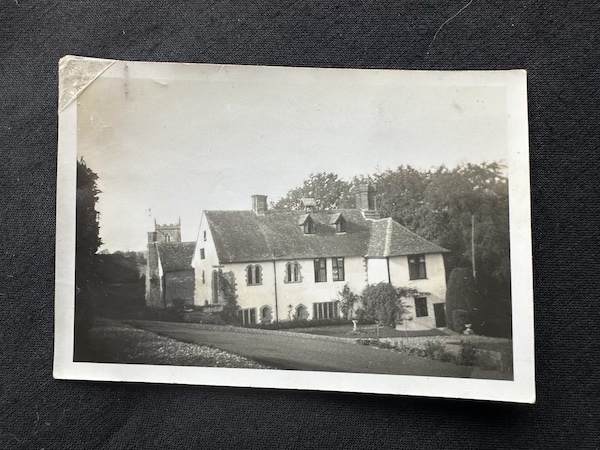
Michael Heppner: King John's house
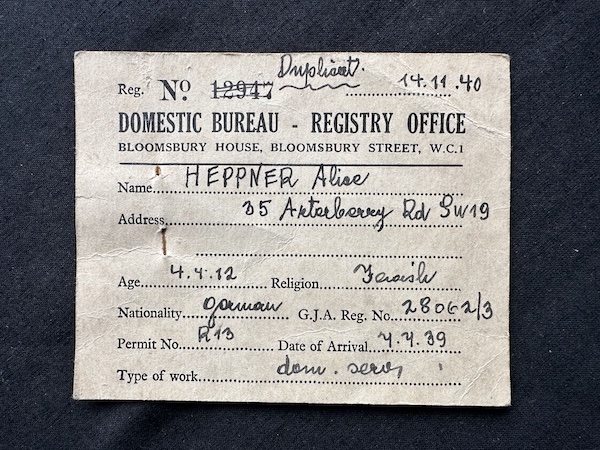
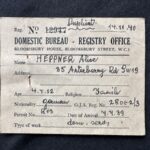
Michael Heppner: Mother's registration card with the Domestic Bureau which had employed her and where she had to report weekly
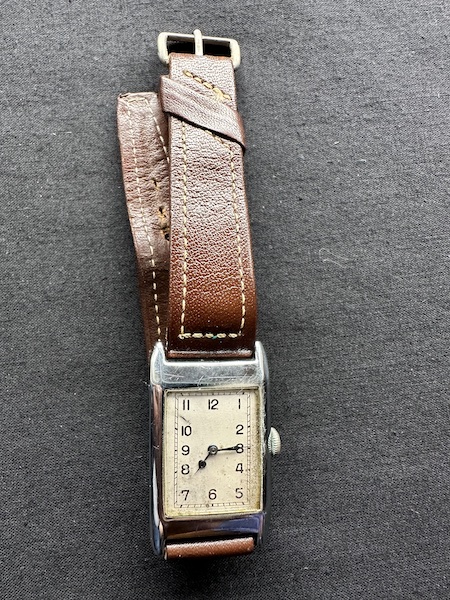
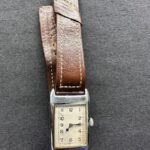
Michael Heppner: His grandfather gave his mother this watch for Michael on the day of his Bar mitzvah when they left Germany on 3rd July 1939
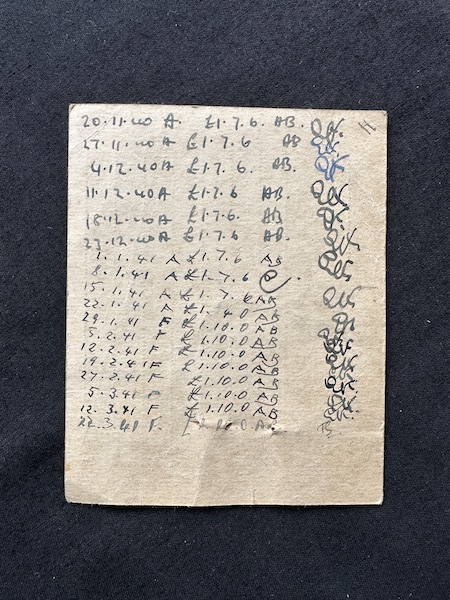
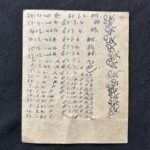
Michael Heppner: List of the money MH's mother collected from November 1940-March 1941 for her work as a domestic servant
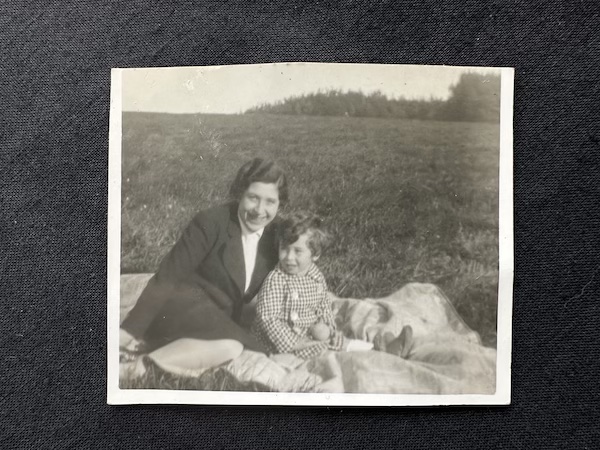
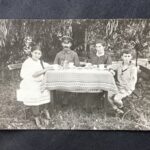
Michael Heppner: October 1939 picnic in Tollard Royal
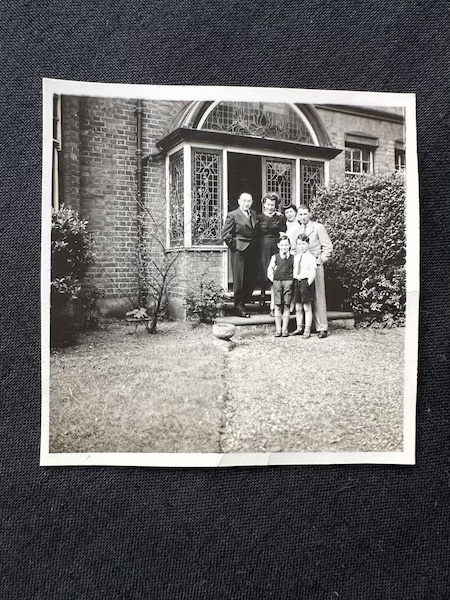
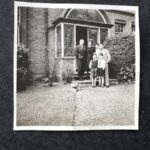
Michael Heppner: In front of the house in Wimbledon where the mother was housekeeper
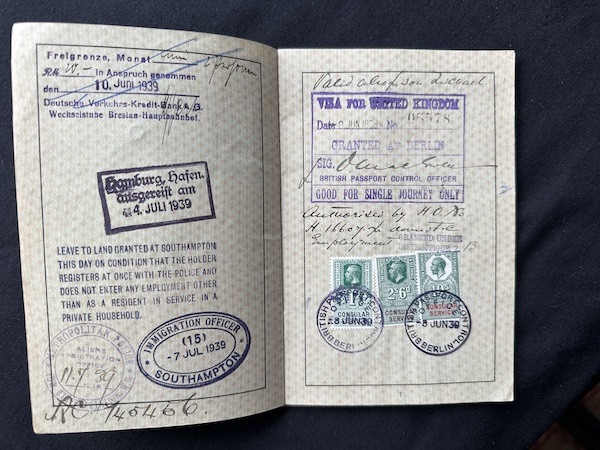
Michael Heppner: Mother's passport showing departure date in Hamburg 4th July
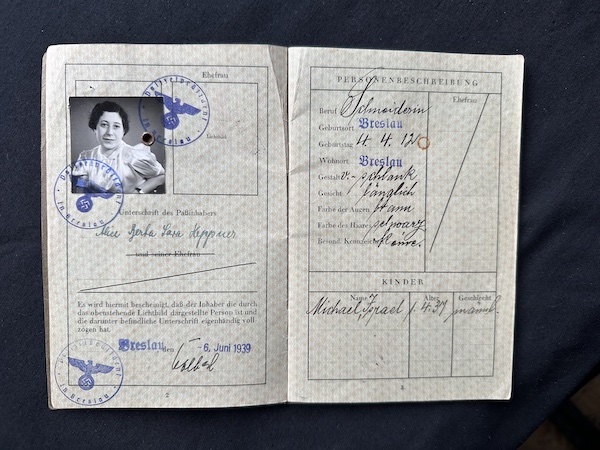
Michael Heppner: Mother's passport which contains MH details
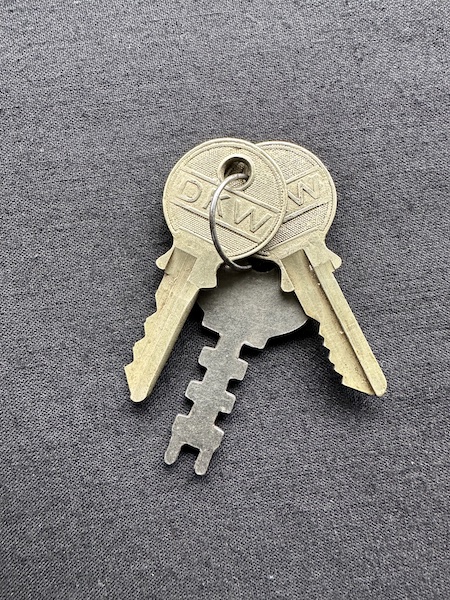
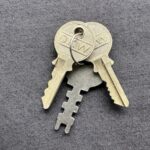
Michael Heppner: Keys to his father's first car (DKW) which he bought in 1936. After November 1938 Jewish weren't allowed to own cars anymore but Heinz kept the keys as a symbol.
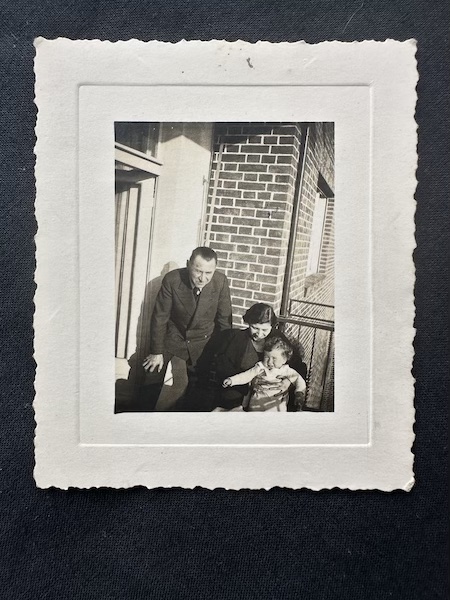
Michael Heppner: Summer 1938
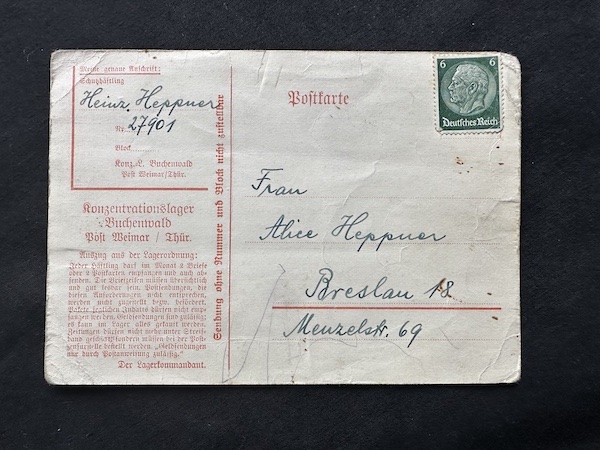
Michael Heppner: Second postcard his father sent from Buchenwald (front)
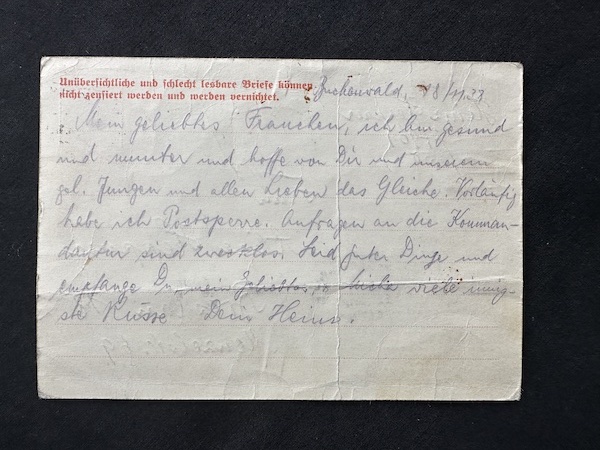
Michael Heppner: Back of the fist postcard from Buchenwald: "I am well and I hope you and our boy and all our dear ones
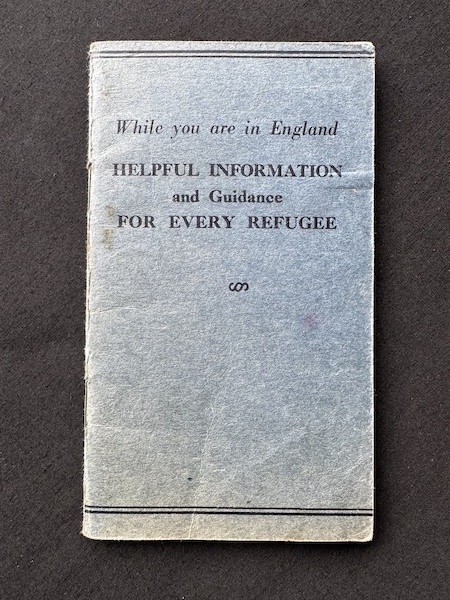
Michael Heppner: Book given to German refugees by Bloomsbury House to help them avoiding mistakes in dealing with the English people and teaching etiquette
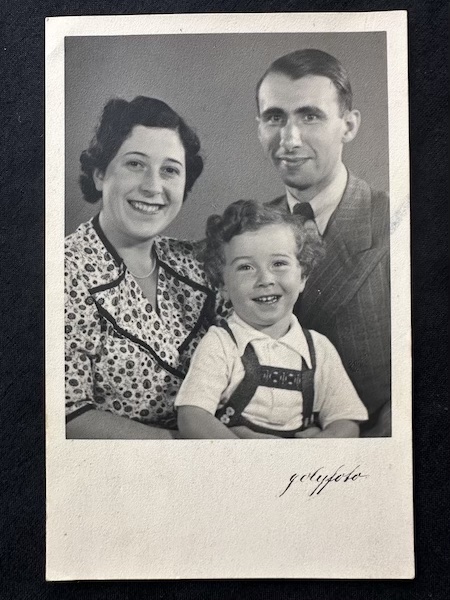
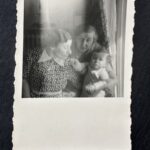
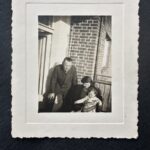
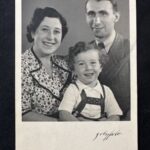
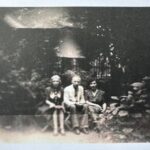
Michael Heppner: Last picture taken before the family left Germany
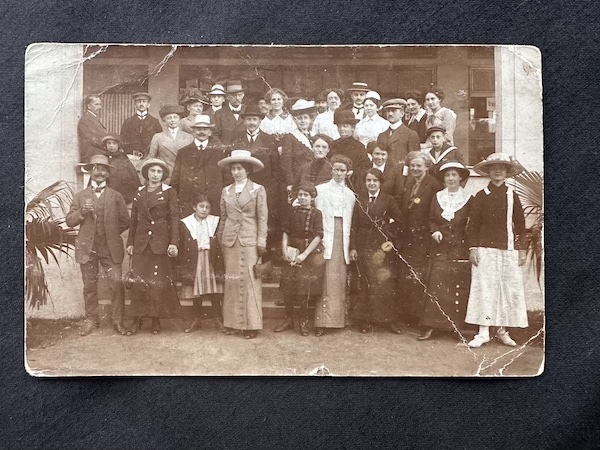
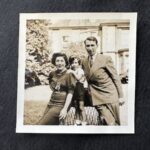
Michael Heppner: Heppner family
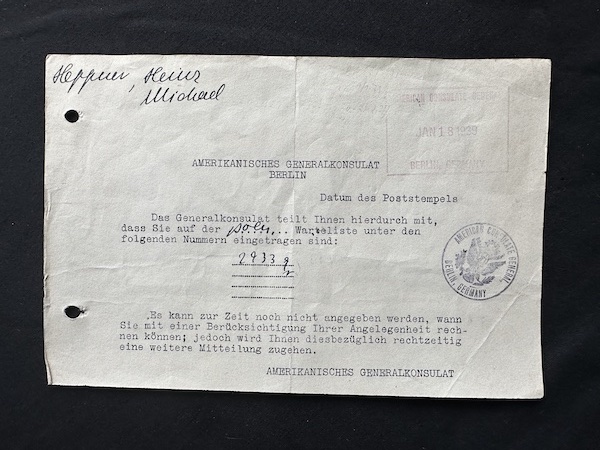
Michael Heppner: Receipt from American Consulate in Berlin
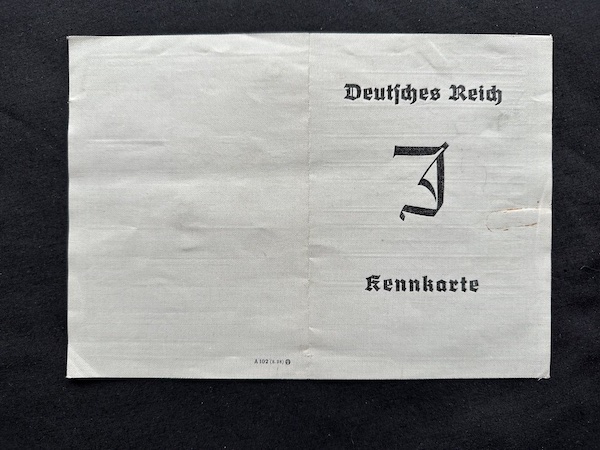
Michael Heppner: Identity card for MH in June 1939 for leaving Germany

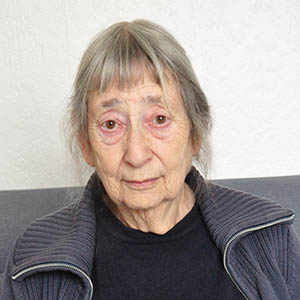
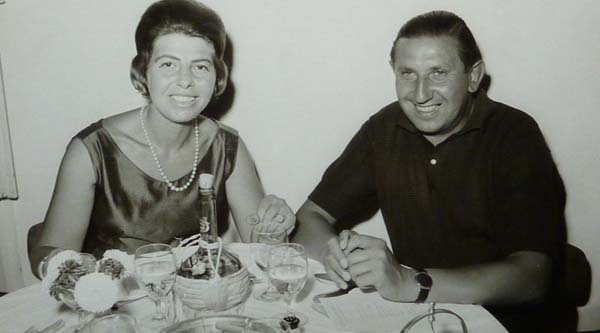
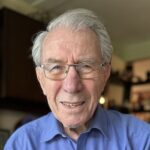
Michael Heppner: 2023
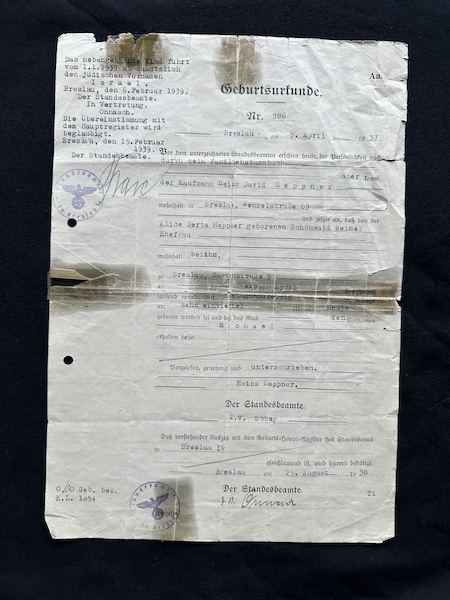
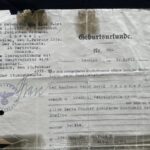
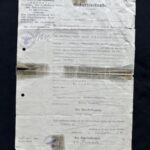
Michael Heppner: Birth certificate
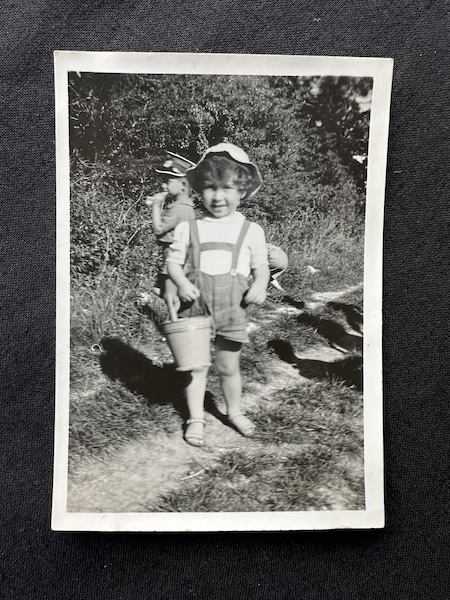
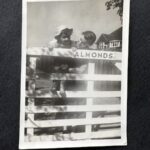
Michael Heppner: At the children's home in Ditchling
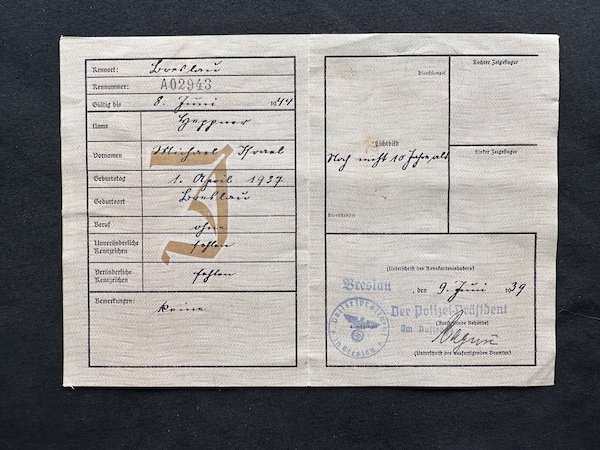
Michael Heppner: Identity card for MH in June 1939 for leaving Germany
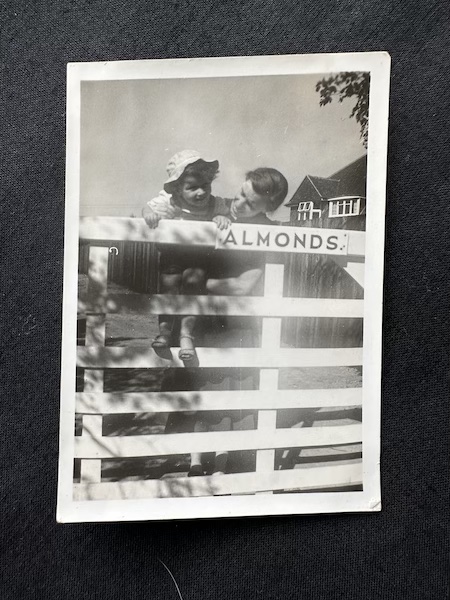
Michael Heppner: August 1939 with Ms Edmonds who ran the children's home "Almonds" in Ditchling
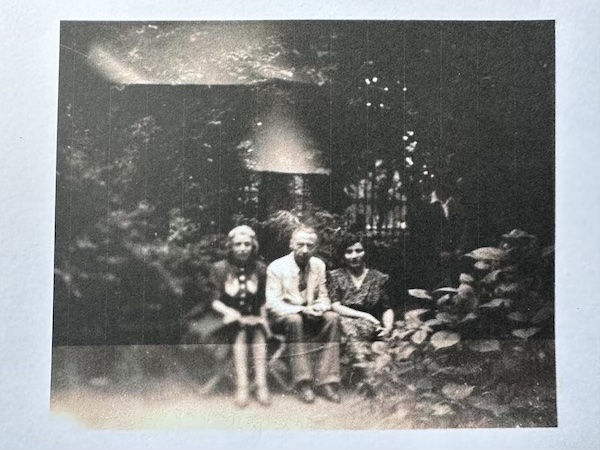
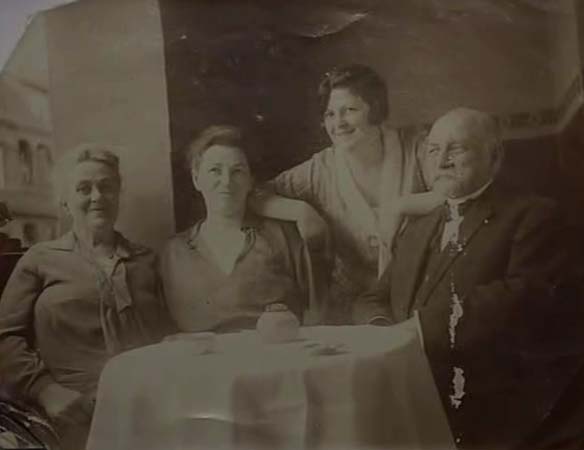
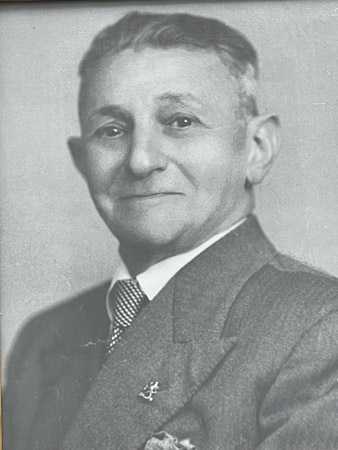
Michael Heppner: Last photo of grandfather Isidor
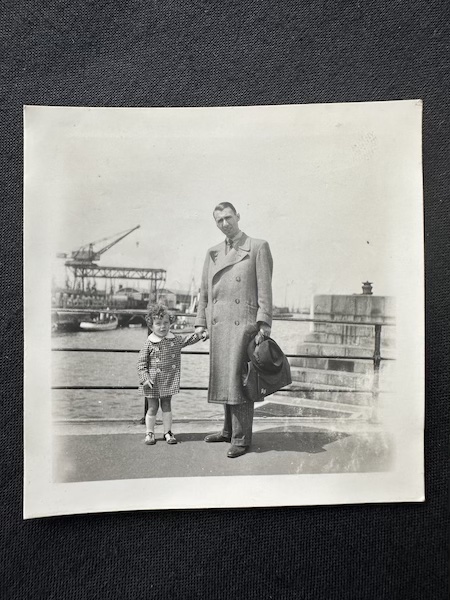
Michael Heppner: With his father in Le Havre where the ship stopped on the way from Hamburg to England
Michael Heppner
Michael Heppner was born in April 1937 in Breslau, present-day Wrocław, Poland, as the only child to parents Alice and Heinz Heppner
Born: 1937
Place of Birth: Breslau
Arrived in Britain: 07/07/1939
Experiences: Came With Parents or Close Family
Interview Summary
Michael Heppner was born in April 1937 in Breslau, present-day Wrocław, Poland, as the only child to parents Alice and Heinz Heppner. His father’s family owned a matzah factory and his parents were members of the liberal synagogue in Breslau. They contemplated emigration but dismissed it thinking that things would change back to normal sooner or later. However, when Michael’s father was interned in Buchenwald after the November pogrom (Kristallnacht), his mother had to organise emigration immediately as a prerequisite for his release. Her sister and her sister’s husband were already in the UK on a domestic visa and, with the help of a lady named Beryl McIntyre, they arranged for Michael’s parents to get domestic visas too. They left on the MS Roosevelt from Hamburg to Southampton, arriving on the 4th July 1939 while other family members escaped to Shanghai.
Alice had taken cooking classes prior to her emigration and was hired as the cook of Lady Colvin in Tollard Royal and Heinz was hired as a butler. Lady Colvin and the other staff were welcoming and helped the Heppners to settle in while Michael spent a couple of months in a children’s home in Ditchling. Michael’s father was then interned on the Isle of Man and his mother changed employment to be closer to Michael. They finally ended up as housekeepers for a family (Farnham- Wilson) in Wimbledon which didn’t have a large refugee community like Finchley. Michael thinks this contributed to building a strong English identity. In 1948 the family moved to Harrow to be closer to his father’s work – a timber mill in Willesden. Michael attended Haberdasher’s school and celebrated his bar mitzvah in Kingsbury orthodox synagogue.
After graduating from school, he studied economics at LSE and obtained an MBA at Tulane University, Louisiana. He joined his father’s company as a market researcher. He got married in 1968 and had two daughters. In 1978, when his work led him to Czechoslovakia, he got involved with the Czech Memorial Scrolls Project. And after retiring in 2002, he became the research director of the Czech Memorial Scrolls Trust.
At the end of the interview, he reads from his mother’s journal.
Key words:
Heppner. Schönwald. Breslau. Heppner Matzah factory, Breslau. Beryl McIntyre – Glyndebourne. Domestic visas. Lady Colvin. Tollard Royal. Ditchling. Hassocks. Children’s home Hassocks. Wilson. Farnham. Wimbledon. Haberdasher’s. LSE. Tulane University. Czech Memorial Scrolls Project. Czech Memorial Scrolls Trust
Place of Birth
When my parents left Breslau & said goodbye to their parents, my mother’s father brought out a small package containing a watch that my grandfather had had the foresight to buy & give to his daughter so that she'd have a bar mitzvah present for the little boy, then aged 2, when he was 13. This watch was the last gift & the last act of father & daughter on that station & she kept that watch carefully for the next 11 years & gave it to me at my bar mitzvah. There was only one occasion when she let me wear it before I was 13. That was to take the entrance exam for Haberdasher’s School & it brought me good luck & I got in. It became a totem for me. I wore it on every special occasion, every exam I took at university. Every special occasion in my life, I will wear that watch.
REFUGEE VOICES is the AJR’s groundbreaking Holocaust testimony collection of filmed interviews with Jewish survivors and refugees from Nazi Europe who rebuilt their lives in Great Britain.
The copyright of personal photos and documents on the site is held by each interviewee and may not be reproduced without their permission. Please contact the AJR if you would like to use any of the images and documents.