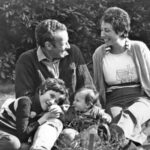







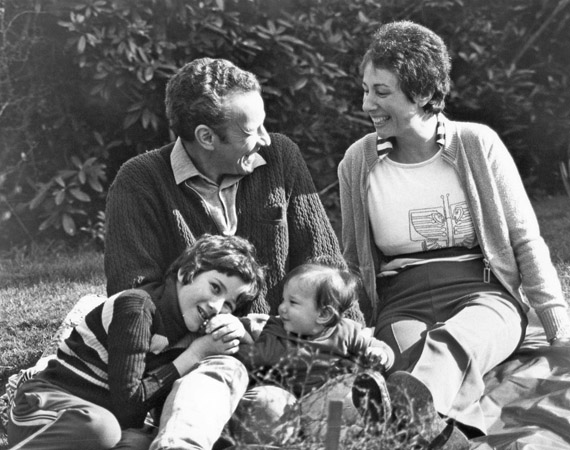
Tomi Komoly: Family photo of TK with his wife Gill and daughters Tanya and Gabriella
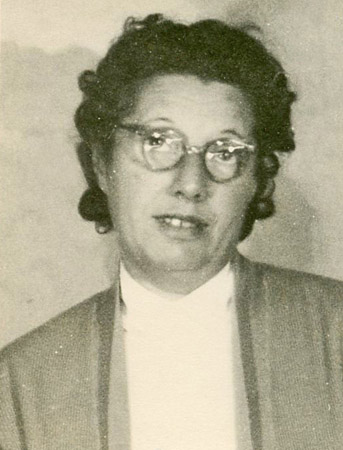
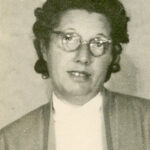
Tomi Komoly: Photo of his mother which he took shortly before he left Hungary
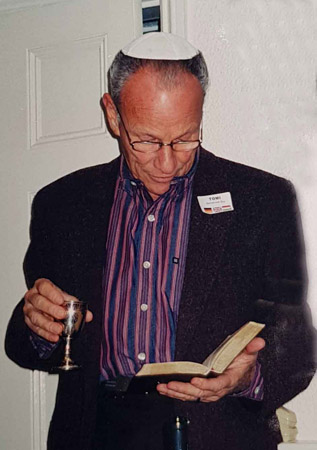
Tomi Komoly: at his Bar Mitzvah

Tomi Komoly: Inside the yellow star house where TK lived with his mother
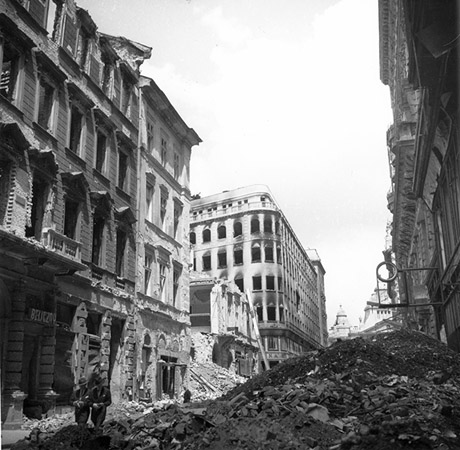
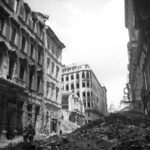
Tomi Komoly: Budapest after the war 1945
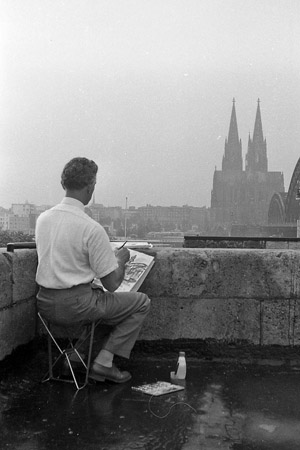
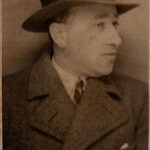
Tomi Komoly: Photo of his Uncle
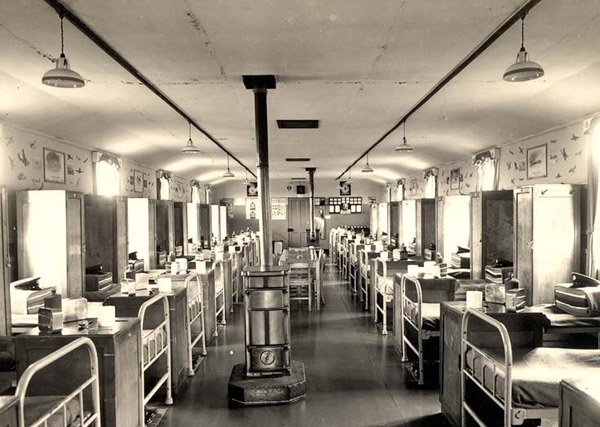
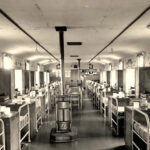
Tomi Komoly: Hednesford Army camp where TK was temporarily placed after his arrival in the UK
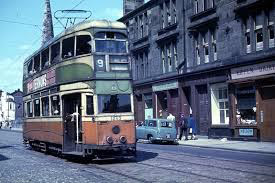
Tomi Komoly: Budapest after the war
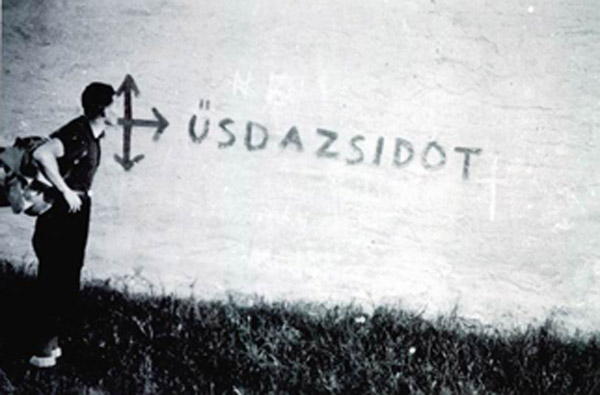
Tomi Komoly: 1944
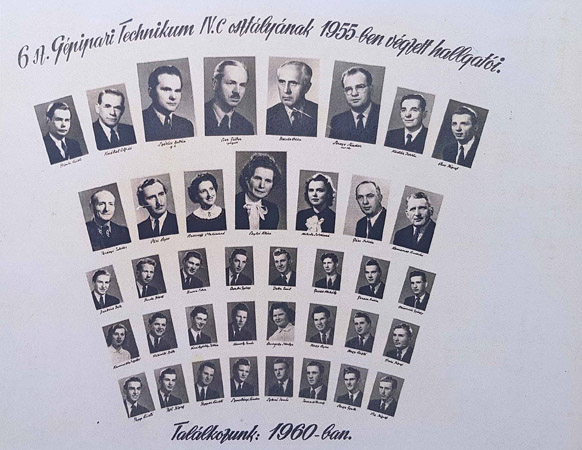
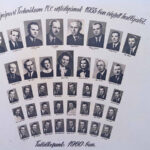
Tomi Komoly: Technikum school photo
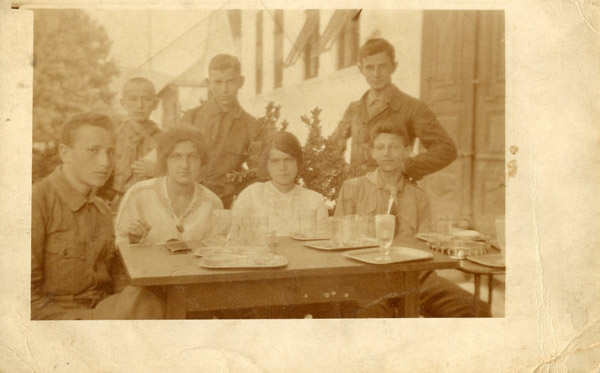
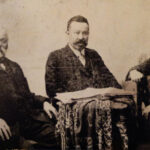
Tomi Komoly: TK's father on the left with friends
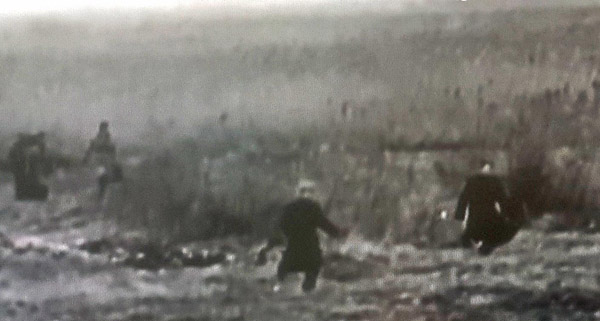
Tomi Komoly: Border crossing (from Hungary into Austria) 1956
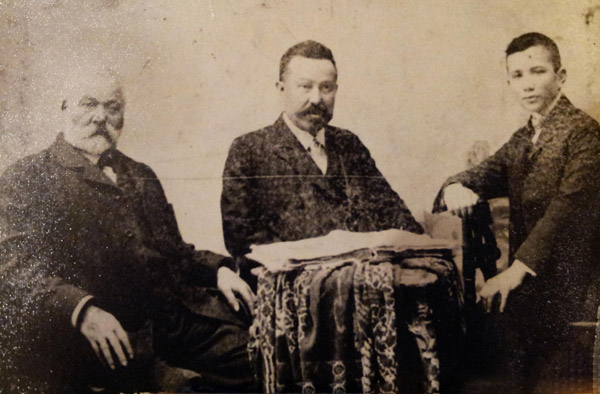
Tomi Komoly: In the middle is TK's grandfather
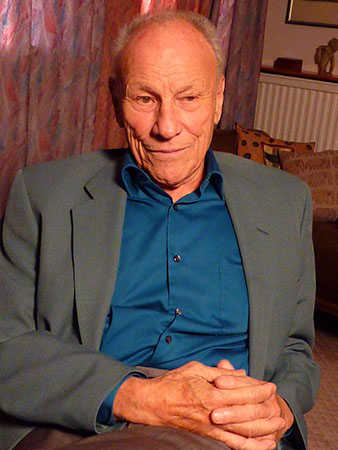
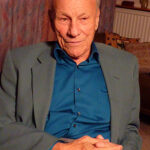
Tomi Komoly: June 2019
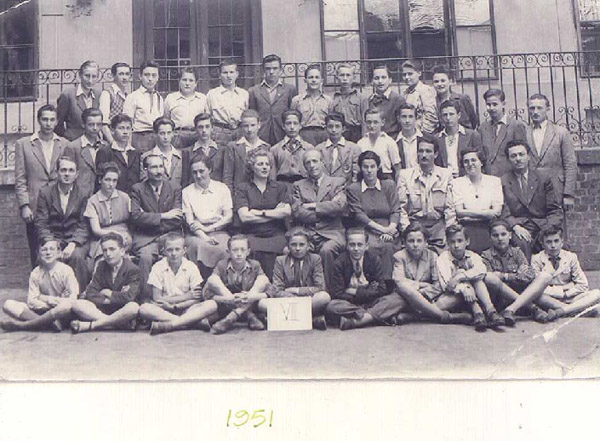
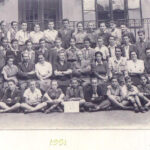
TKT: school photo 1951
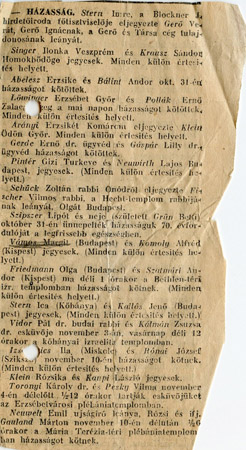
Tomi Komoly: Newspaper clipping announcing his parents' engagement
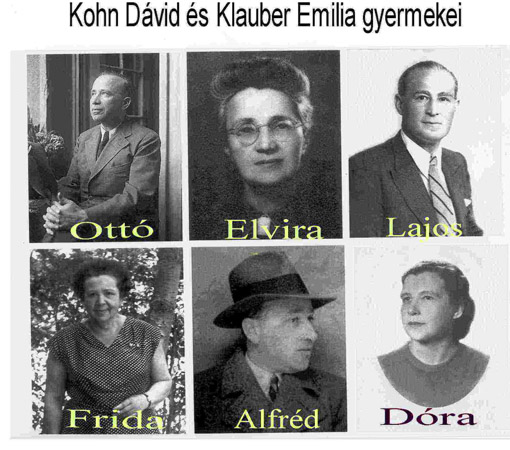
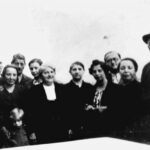
Tomi Komoly: TK's father with his five siblings
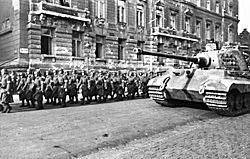
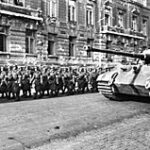
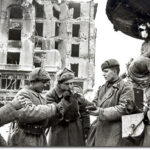
Tomi Komoly: The Red Army in Budapest
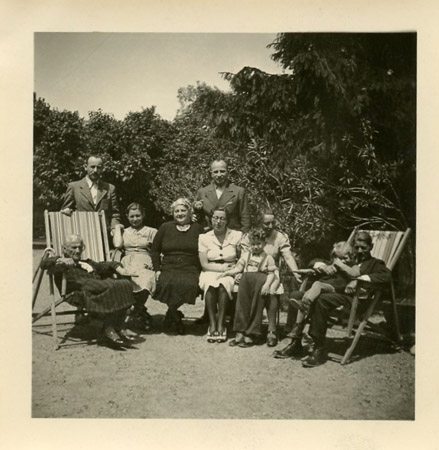
Tomi Komoly: with his great-aunt
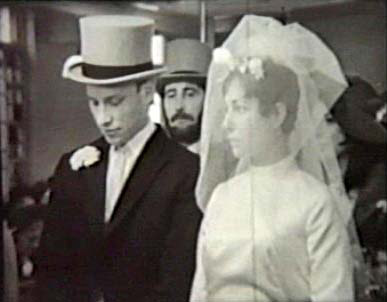
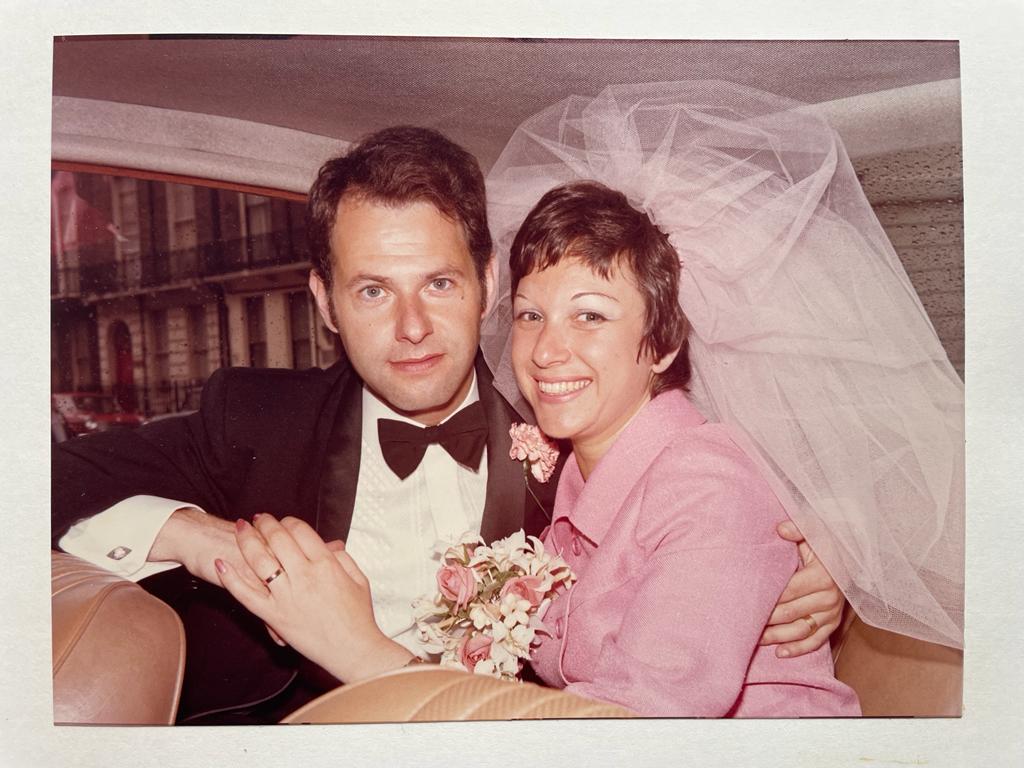
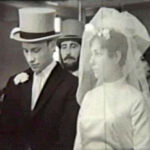
Tomi Komoly: Wedding of Tomi and Gill Komoly
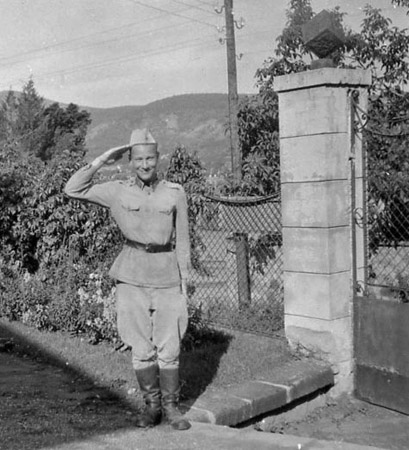
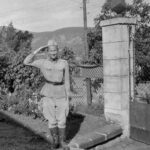
Tomi Komoly: during his service in the Hungarian Army
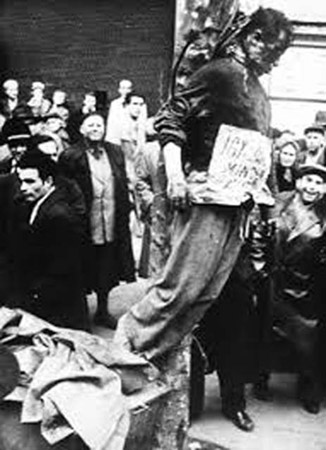
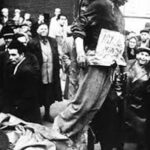
Tomi Komoly: Budapest 1956 a week after the uprising- this is a secret policeman on a lamppost; the sign says " This is what's going to happen to all Communists and Jews"
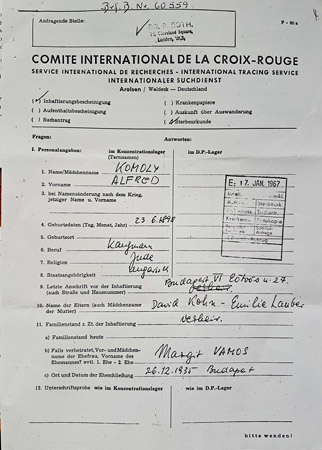
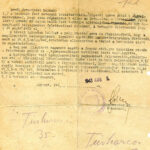
Tomi Komoly: Red cross tracing form filed by TK's mother in 1967 to find her husband
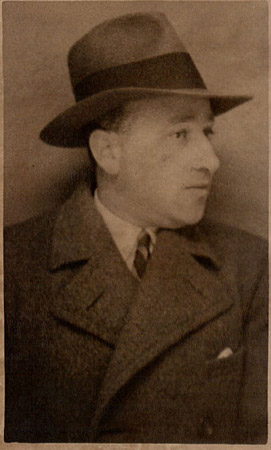
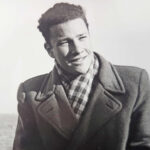
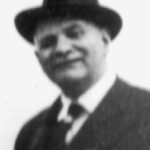
Tomi Komoly: TK's father
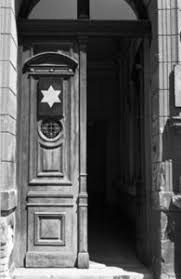
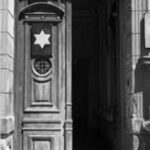
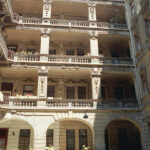
Tomi Komoly: On the 21st June 1944 TK and his family had to move into a yellow star house in the centre of Budapest (which looked like this one)
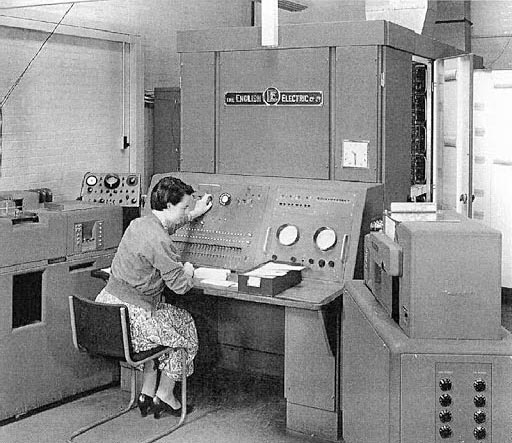
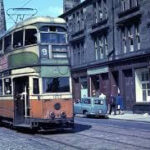
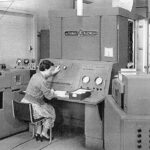
Tomi Komoly: One of the first computers in Britain: TK worked with it when he studied at the Royal College of Science and Technology in Glasgow
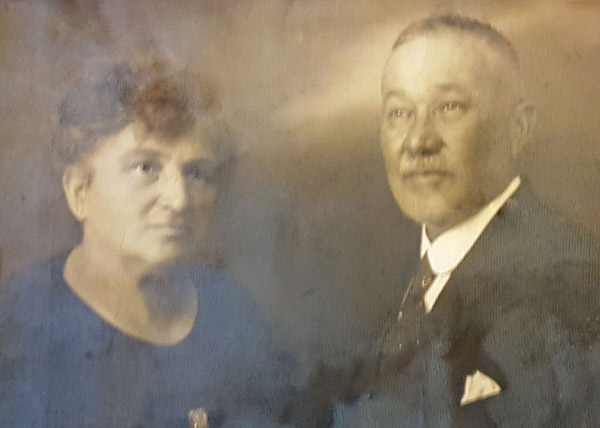
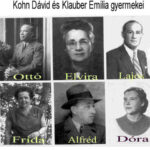
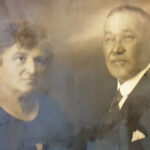
Tomi Komoly: Grandparents David Kohn - one of the founding members of the International Zionist Congress in Basel and first Chairman of the Hungarian Zionist Federation and his wife Emilia Klauber
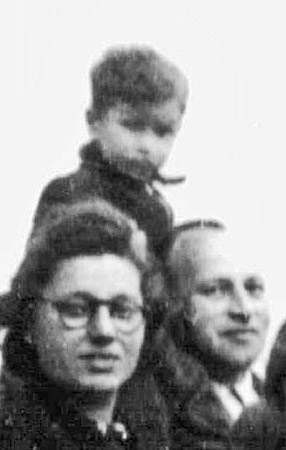
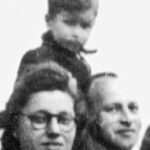
Tomi Komoly: TK with his parents
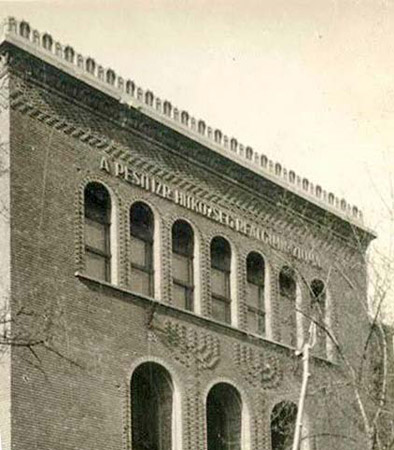
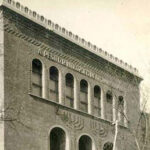
Tomi Komoly: This building was used as a school which TK attended when schools opened up after the war
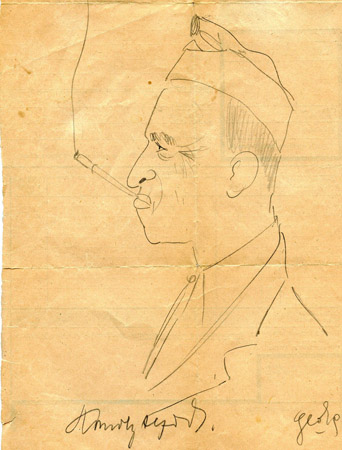
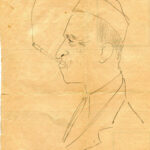
Tomi Komoly: Cartoon of TK's father when he was a prisoner of war (WW I)
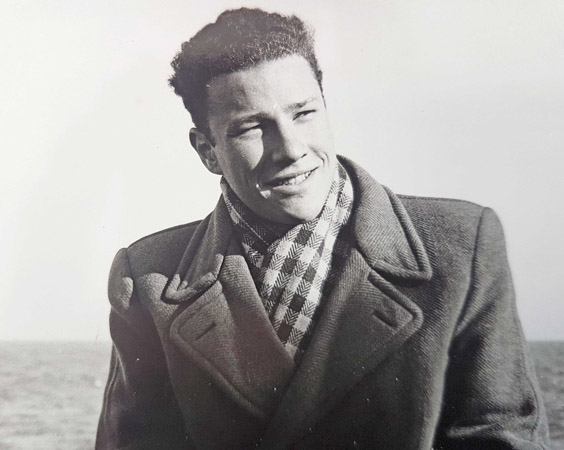
TK on the boat from Ostend to Dover
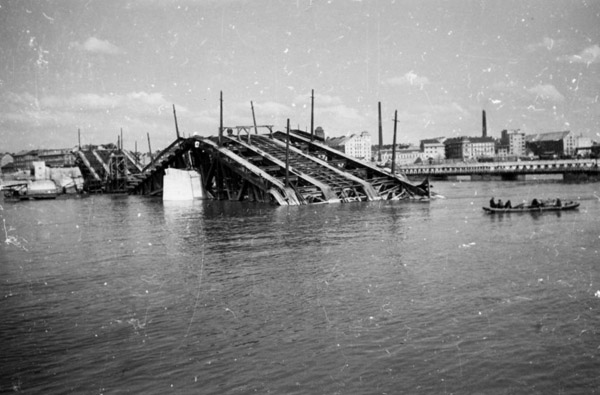
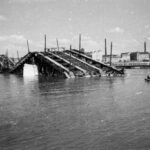
Tomi Komoly: ruins of a bridge which was blown up by the Germans during the Russian advance

Tomi Komoly: The Jewish Refugee Committee found TK lodgings in Dollis Hill
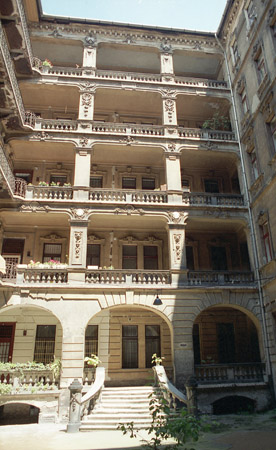
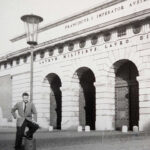
Tomi Komoly: Modern photo of the house in Budapest where TK lived for ten years
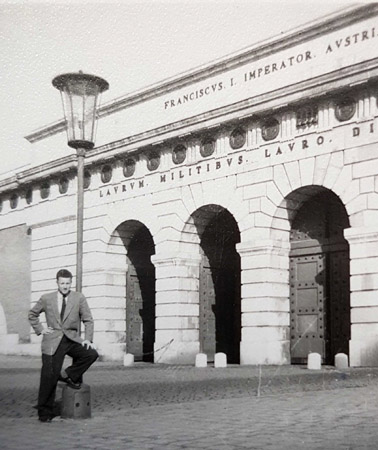
Tomi Komoly: Shortly after his arrival in Vienna
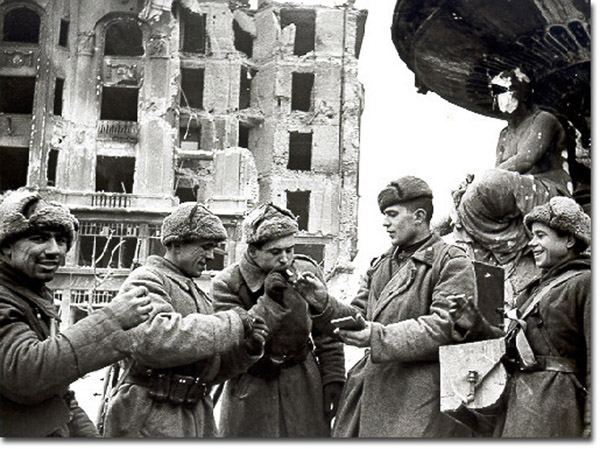
Tomi Komoly: Red Army in Budapest 1945
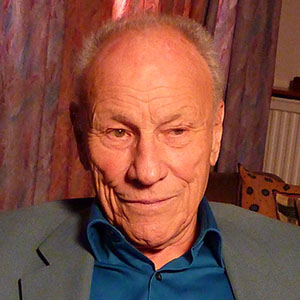
Tomi Komoly: June 2019
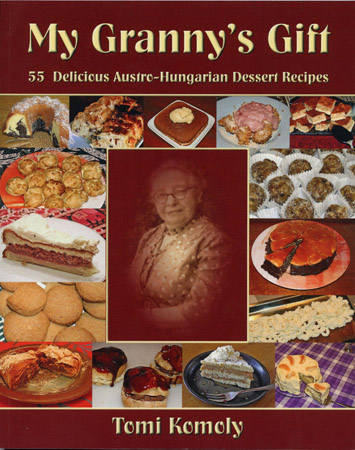
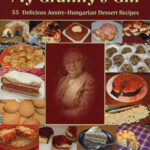
Tomi Komoly: Cookbook with his grandmother's favourite recipes
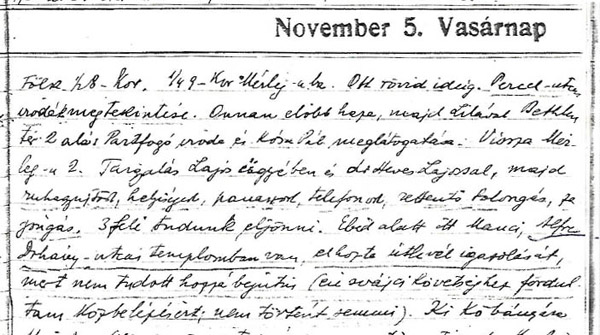
Tomi Komoly: TK's uncle Otto's personal diary: "Alfred that he- he is at the Dohány Street Synagogue. And “I’m trying to get some certificates to release him."
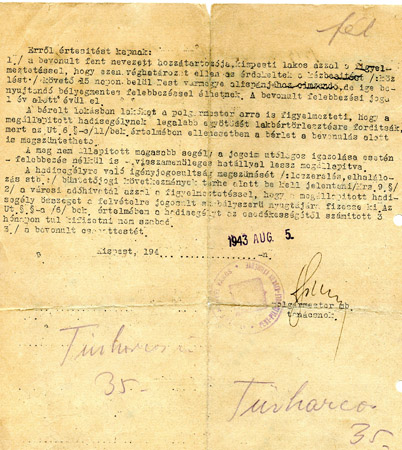
Tomi Komoly: "my father had been put into the forced labour battalion
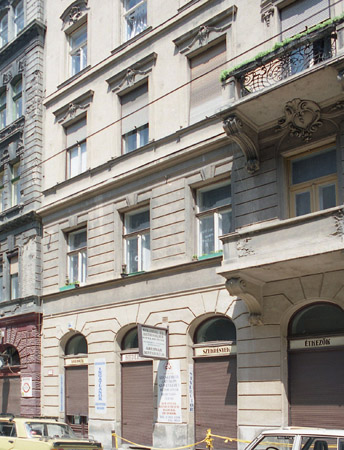
Tomi Komoly: Budapest
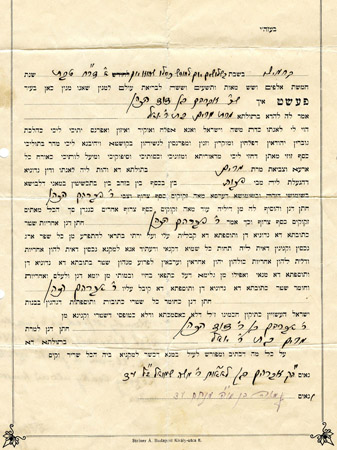
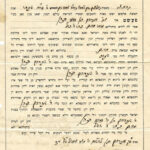
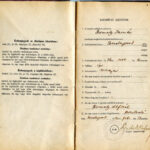
Tomi Komoly: TK's parents' Ketubah
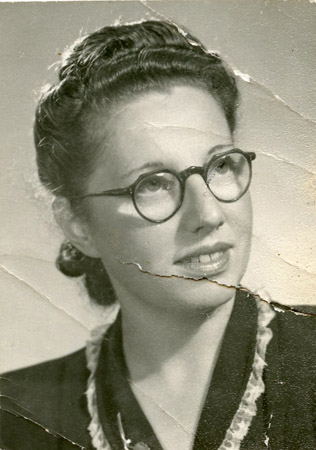
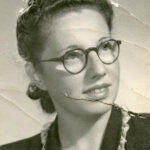
Tomi Komoly: TK's mother
Tomi Komoly: Gradfather Vámos (formerly Steierman)
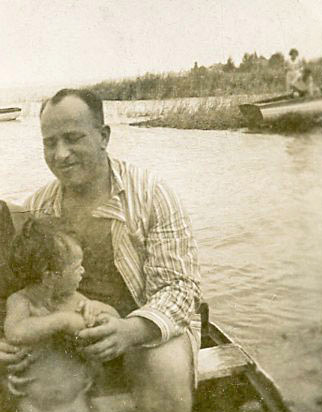
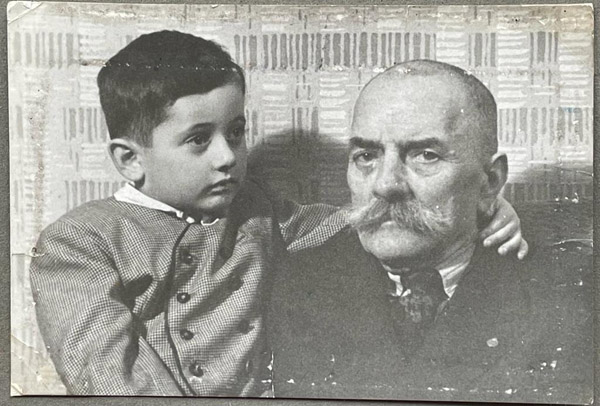
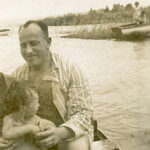
Tomi Komoly: as a young child with his father
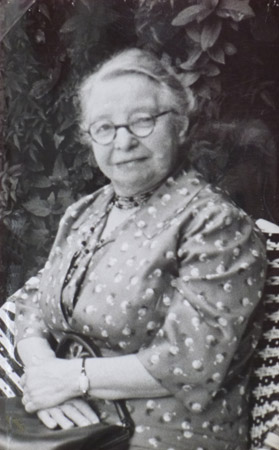
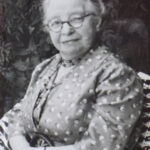
Tomi Komoly: Grandmother
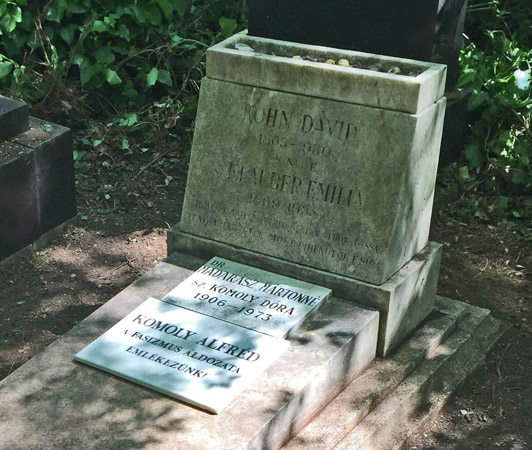
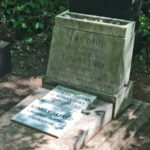
Tomi Komoly: Jewish cemetery Budapest: David Kohn and Emilia Klauber with their daughter Dora and a plaque for his father Alfred
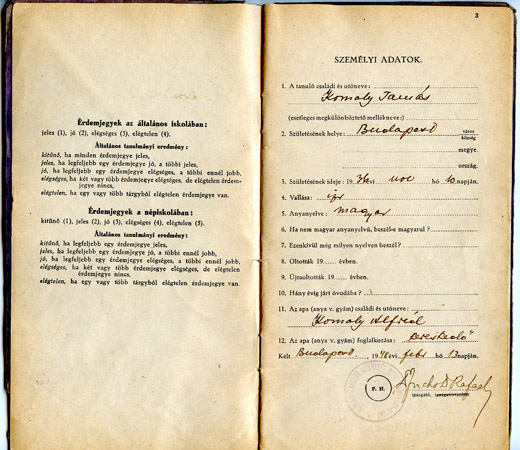
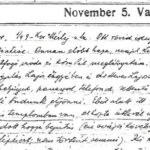
Tomi Komoly: "in Hungarian schools you have a yearbook
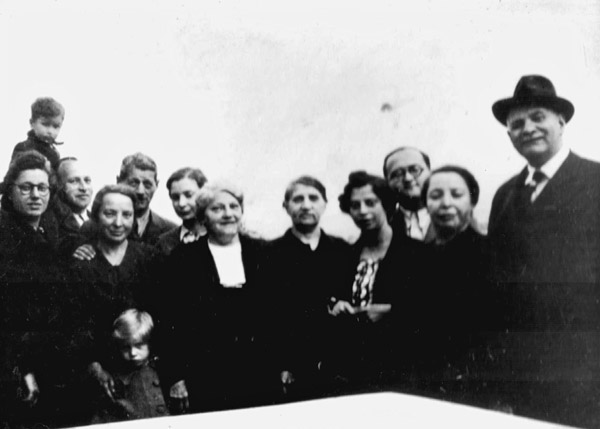
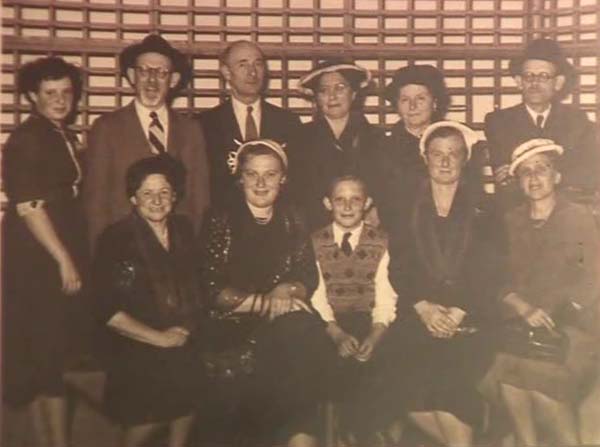
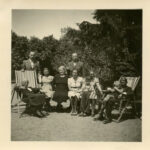
Tomi Komoly: TK with his parents and his mother's family
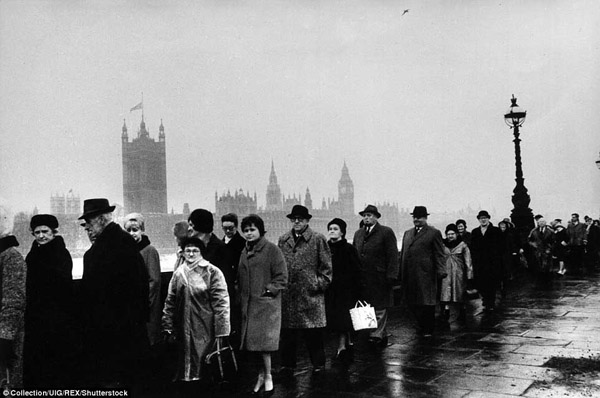
Tomi Komoly: Paying respect to Churchill
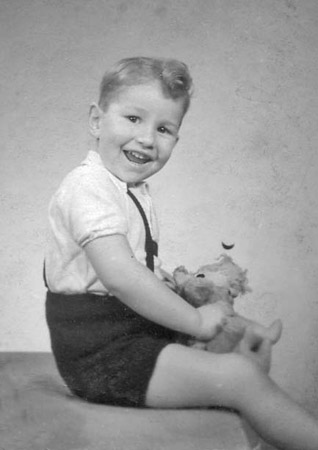
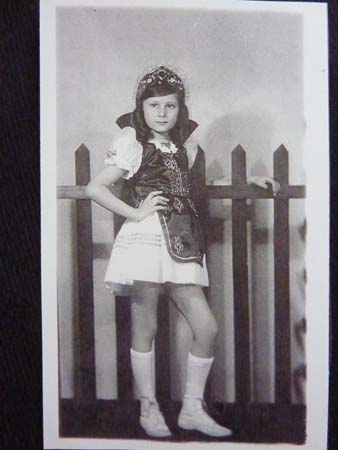
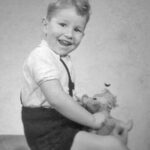
Tomi Komoly: as a young child
Tomi Komoly
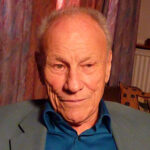
Tomi (born Tamas) Komoly was born in 1936 in Budapest and his father was a scrap metal merchant
Born: 1936
Place of Birth: Budapest
Arrived in Britain: 17/03/1957
Interview Number: RV242
Experiences: Given Swedish Consular Protection , In Hiding – Hungary , Post WW2 Hungarian Refugee
Interview Summary
Tomi (born Tamas) Komoly was born in 1936 in Budapest and his father was a scrap metal merchant. Alfred Komoly, (born Kohn), was called up to forced labour in 1943 and during a brief visit to his family, was denounced and killed in Budapest in 1944. An uncle, Otto Komoly had been instrumental in saving lives on the controversial ‘Kasztner Train’. Tomi and his mother survived in Swedish protected houses, in a non-Jewish home and in extremely harsh conditions in Budapest. They were liberated in January 1944. Tomi began university but left Hungary in 1956, crossing on foot into Austria. The Jewish Refugees Committee supported him and he finished a mechanical engineering course in Glasgow. He went on to do research at Imperial College and worked for ICI.
Place of Birth
More & more as I go on in life, I want to give credit to my mother for some kind of inborn instinct or wisdom that probably women have more than men. She had a sense of what dangers lay ahead. Whereas the average Jewish person or family by this time acquired the mentality of ‘As long as we do as we’re told, we’re OK.’ ‘Don’t rattle the bush’, kind of thing. Don’t go outside your own sphere of ability & power. She must have been looking to see what is to come. And realised that the Yellow Star houses were just a 1st step towards rounding up people, putting them on trains to Auschwitz & other camps. By then there were 2 locations that had names. 1 was a railway station called Kistarcsa. The other was just referred to as the Téglagyár, the brick factory. Those two words entered my world. They achieved a kind of symbolism, the kind of penultimate danger. She was aware of that. And she though that staying in the Yellow Star house was going to be dangerous. And she was absolutely right, of course.
REFUGEE VOICES is the AJR’s groundbreaking Holocaust testimony collection of filmed interviews with Jewish survivors and refugees from Nazi Europe who rebuilt their lives in Great Britain.
The copyright of personal photos and documents on the site is held by each interviewee and may not be reproduced without their permission. Please contact the AJR if you would like to use any of the images and documents.