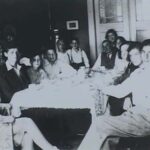
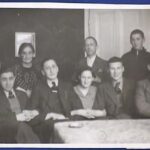
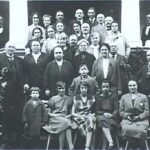
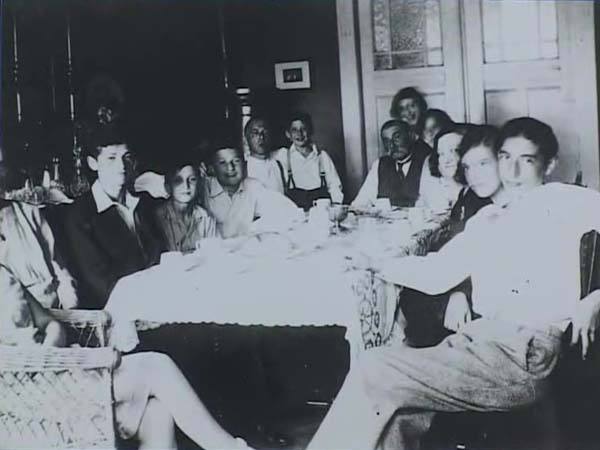
Willy Field: Coffee Afternoon at aunt’s house
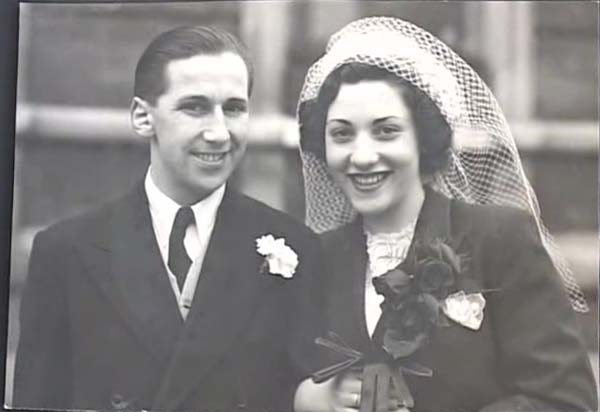
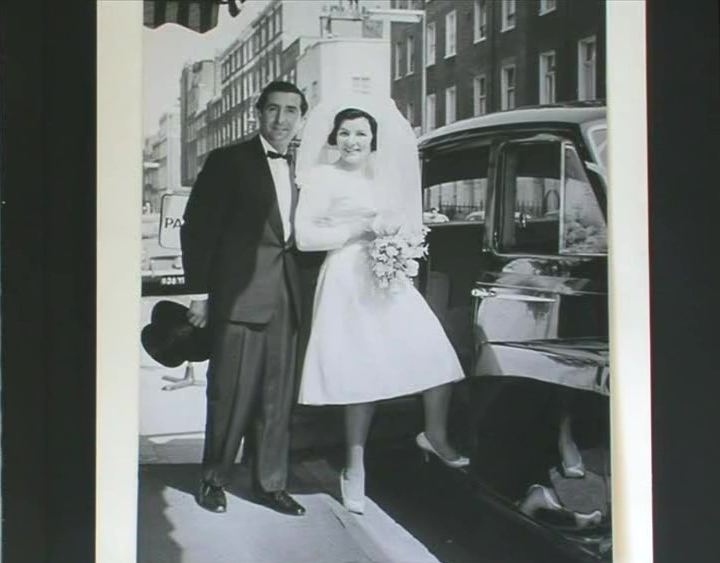
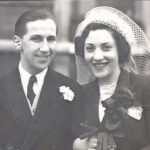
Willy Field: Wedding photo
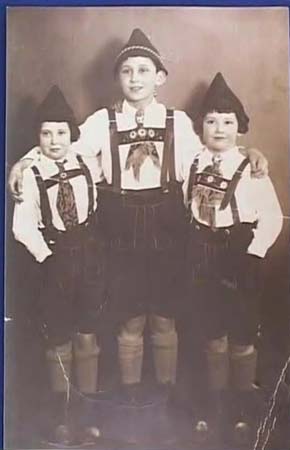
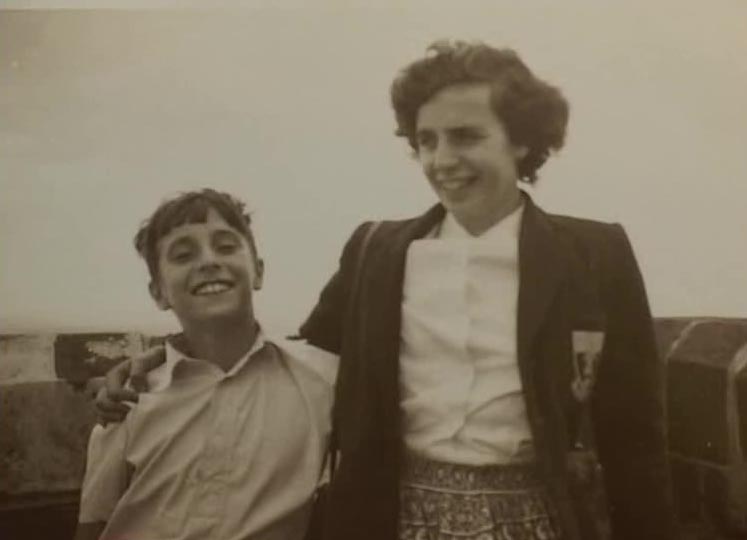
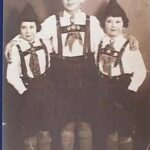
Willy Field: With sister Thea and brother Manfred, 1927
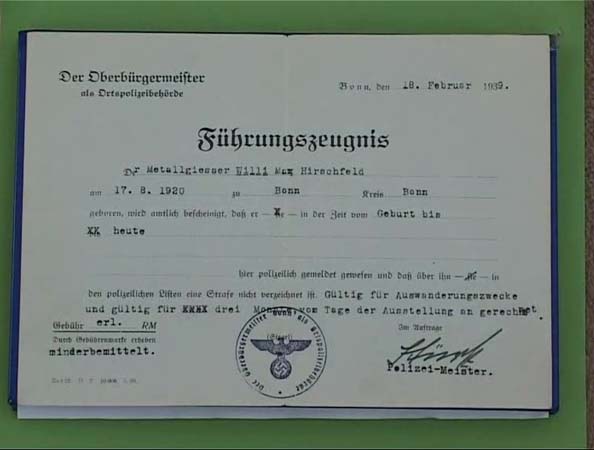
WF
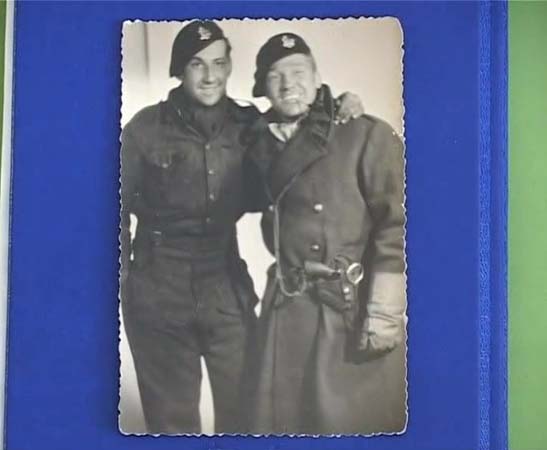
Willy Field: Out of action in Holland
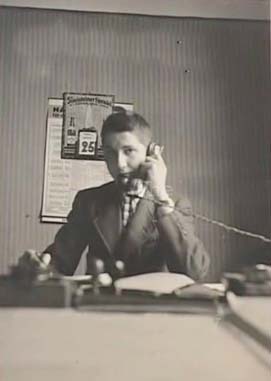
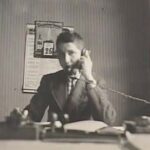
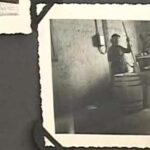
Willy Field: WF at work after he came out of the concentration camp, Dachau, 1939
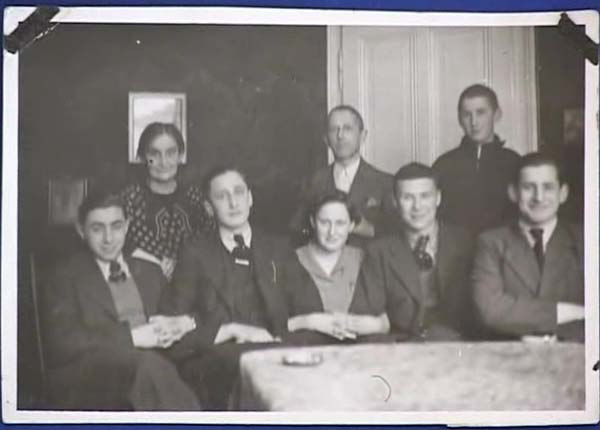
Willy Field: With two friends
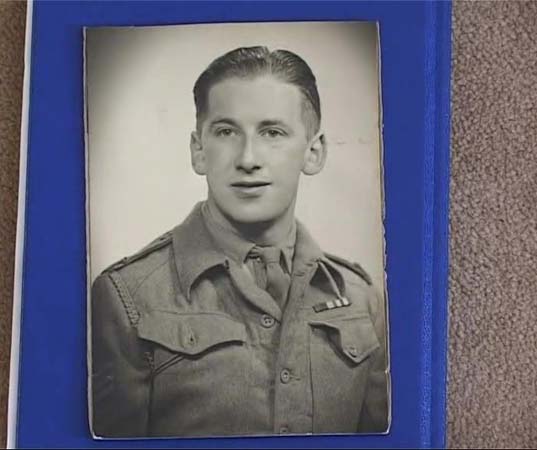
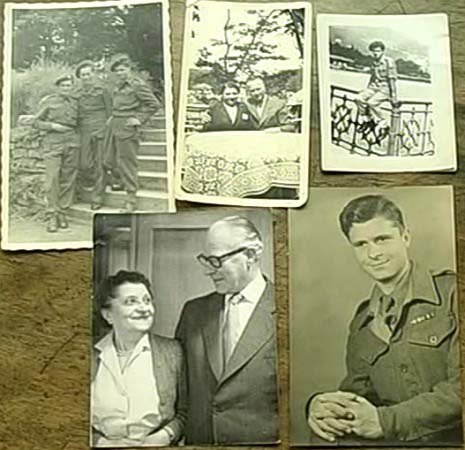
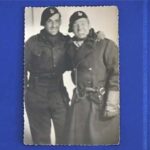
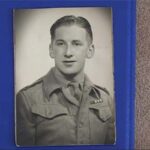
Willy Field: As a sergeant in the 8th King’s Royal Irish Hussars
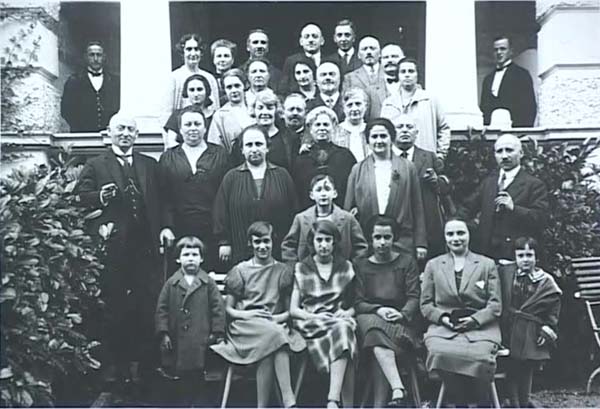
Willy Field: On holiday with family
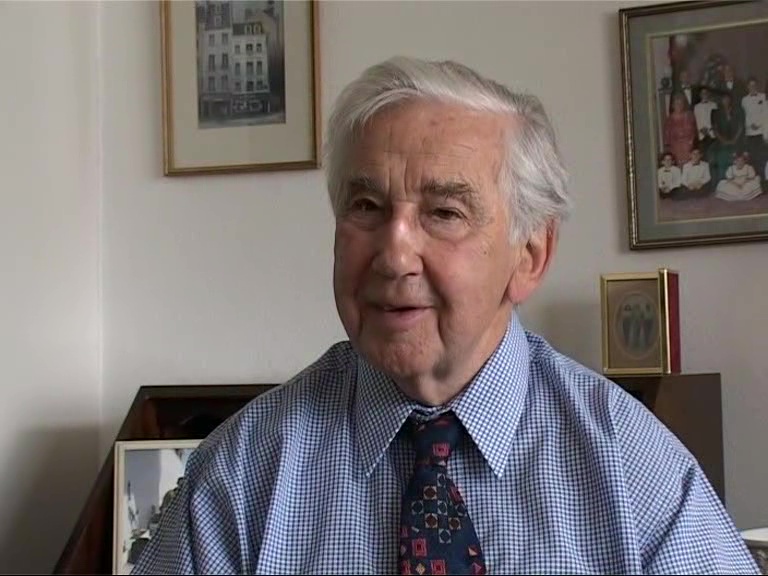
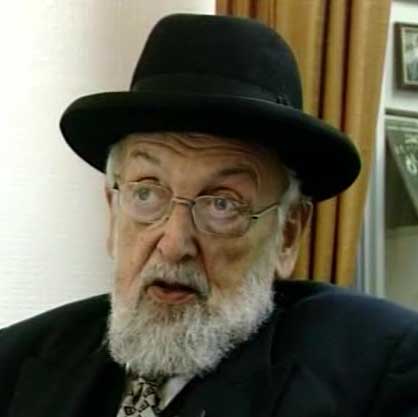
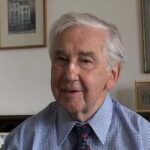
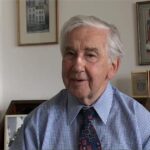
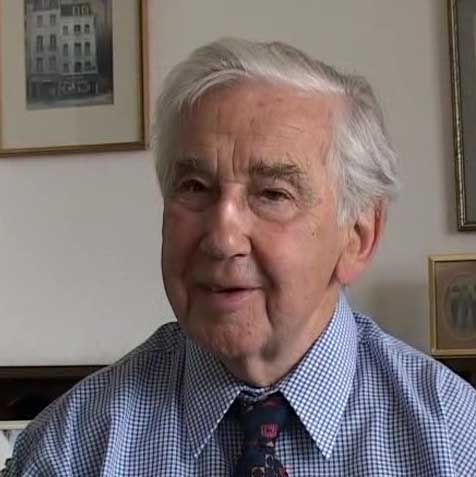
Willy Field: September 2003
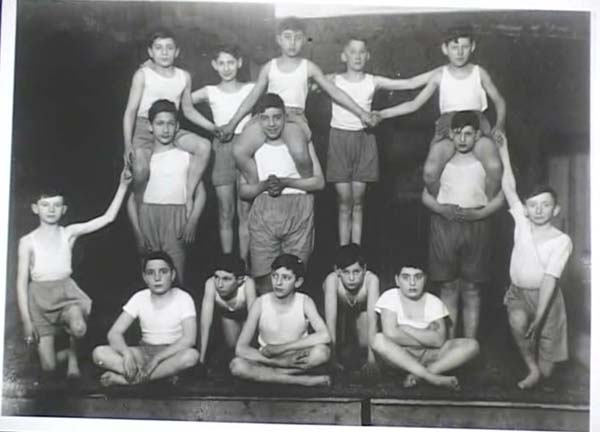
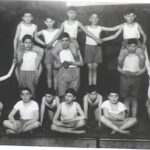
Willy Field: In gymnastic lesson at his Jewish school 1934/35
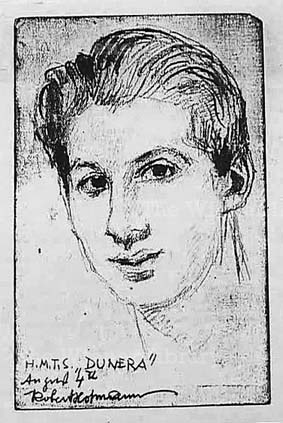
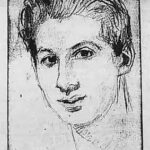
Willy Field: Photograph of a sketch by Professor Hoffman on trip on the Dunera to Australia, August 1940
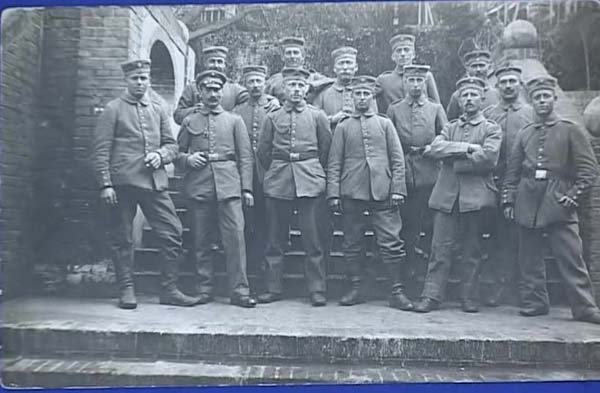
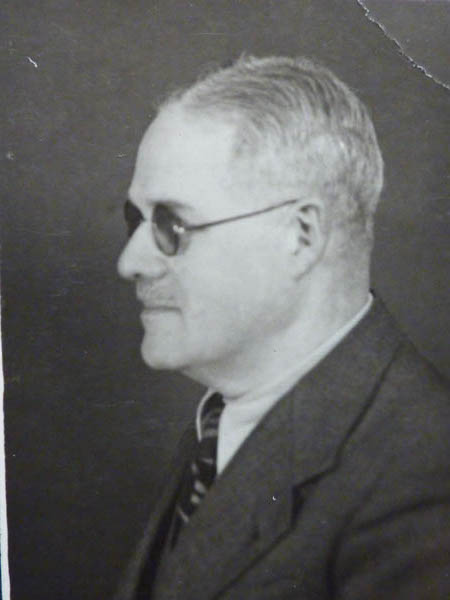
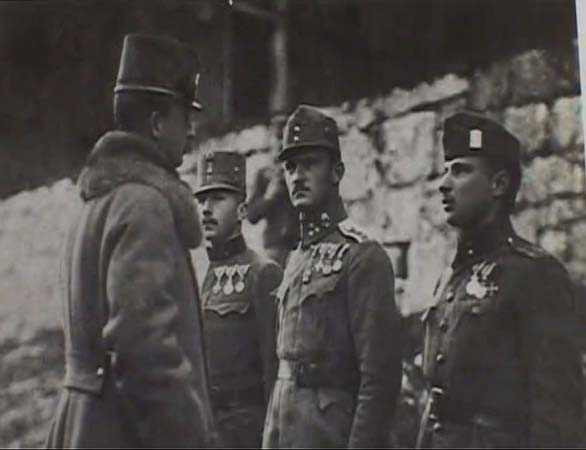
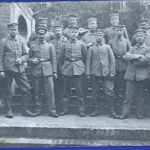
Willy Field: Father with pipe, location not known, WW1
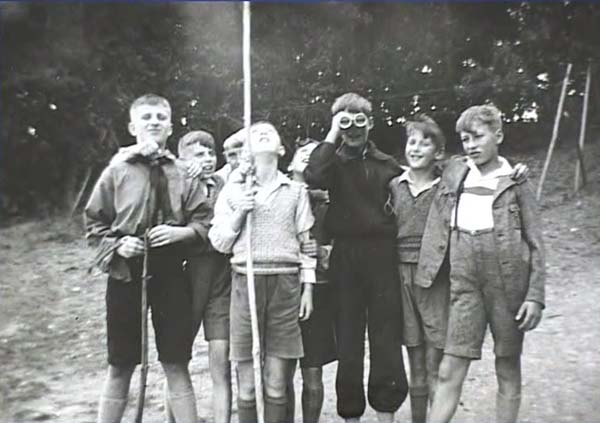
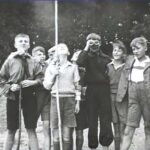
Willy Field: At holiday camp
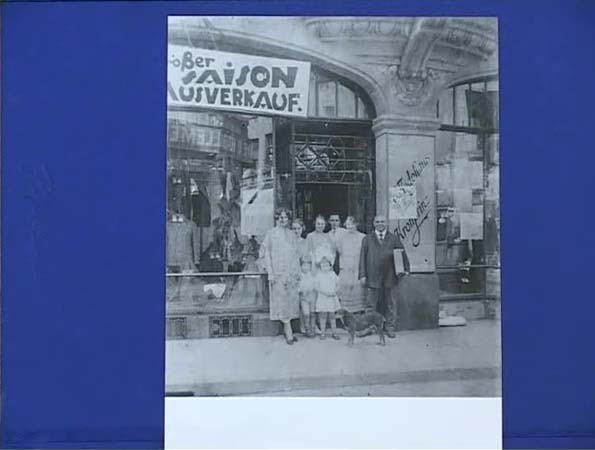
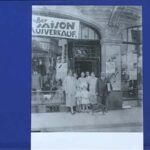
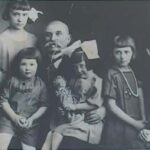
Willy Field: With mother and sister at his father’s shop, Bonn, 1923
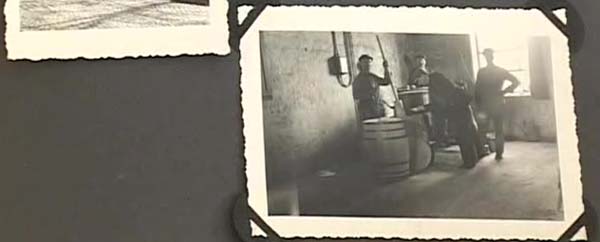
Willy Field: At the factory in Siegborg where he worked
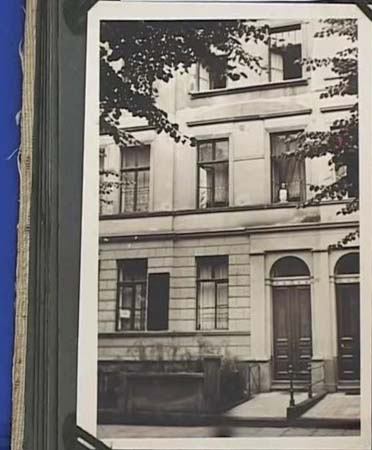
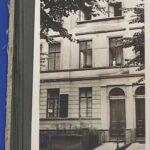
Willy Field: Family flat 14
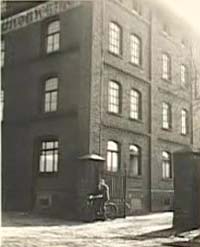
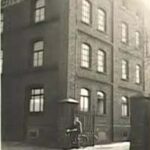
Willy Field: The factory in Siegborg where WF worked
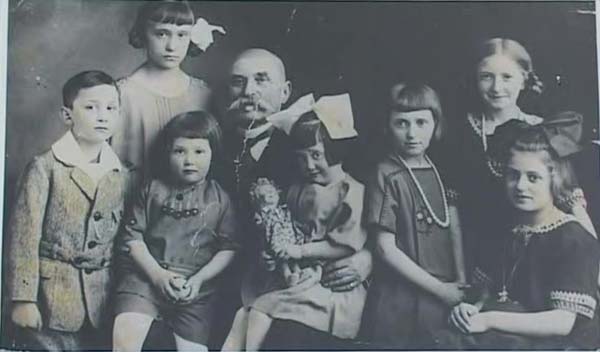
Willy Field: With brother Manfred
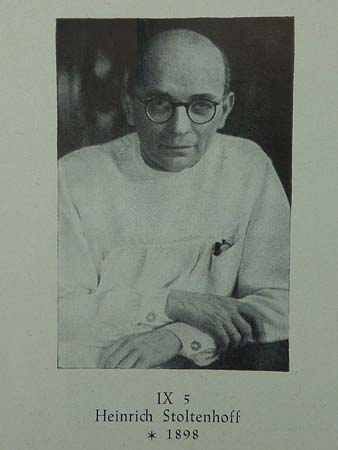
Willy Field
Willy Field, born Willy Hirschfeld, was born in 1920 in Bonn
Born: 1920
Place of Birth: Bonn
Arrived in Britain: 01/06/2026
Interview Number: 21 (S)
Experiences: Agricultural Labourer , British / Australian Internment: Dunera , British Internment - Mainland Britain , British Military , Pre-WW2 Concentration Camp Prisoner
Interview Summary
Willy Field, born Willy Hirschfeld, was born in 1920 in Bonn. He went to the city Gynmasium until 1934, and then to a Jewish school. He worked in a metal factory in Siegburg. He was arrested on 10 November 1938 at the factory and taken prisoner in Cologne and then to Dachau. He was released from Dachau in April 1939 and came to the UK on an agricultural permit. He was interned and sent to Australia on the HMT Dunera. When he returned to the UK he joined the British army, fighting in D Day as part of the 8th King’s Royal Irish Hussars.
Place of Birth
My parents didn't know where I was for the first four weeks until my cousin, who worked at the same factory with me, told my mother that I was taken away by the Gestapo. But they didn't hear from me and they didn't know where I was until we were able to write a card that we are where we are, that we were being looked after very well and it was for our own protection. Clever thing!
The worst thing was knowing what happened in the concentration camp and being told not to talk to anybody. I didn't even tell my parents; I didn't tell my sister. I didn't tell anybody what is happening in the concentration camp because you had to sign a pledge that if you ever talked about it you would be back, and you wouldn't be released any more.
Every morning and every night they had a roll call. We were counted. We had to stand in blocks of ten - ten this way and ten this way (indicating with hands). We were counted. One morning one man was missing. They made us stand for, I think, over a day and night in the cold weather, until they found who was missing. I recall that, that night, they shunted away in a wagon about 40 or 50 people who could not stand the cold, who could not stand any more standing there for about 72 hours. The man was later found in the toilet somewhere and what happened to him we never knew. I remember that night there must have been 40 to 50 people died. It was a dreadful place.
Oh it was wonderful, the East End! I had a little room. There was a tobacconist downstairs - I smoked then already - and he let me have cigarettes on tick. I only had a little room with a bed and nothing else. I used to go to the Jewish place in the East End where you could get some bean and barley soup and a slice of bread for 4 pence or 5 pence or 6 pence. I could afford that then so this was wonderful. I had quite a good time at work and I gradually learned to speak a bit of English. I could say 'steak and chips' and I could say all the swear words.
REFUGEE VOICES is the AJR’s groundbreaking Holocaust testimony collection of filmed interviews with Jewish survivors and refugees from Nazi Europe who rebuilt their lives in Great Britain.
The copyright of personal photos and documents on the site is held by each interviewee and may not be reproduced without their permission. Please contact the AJR if you would like to use any of the images and documents.