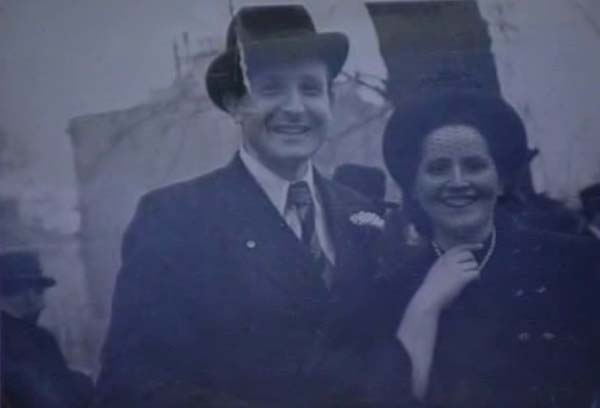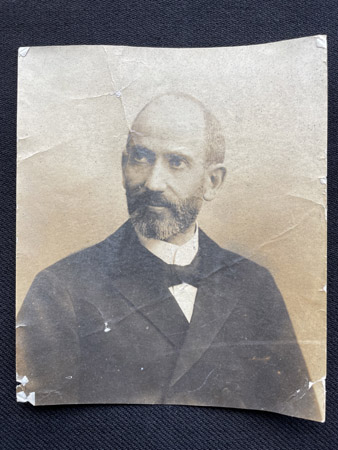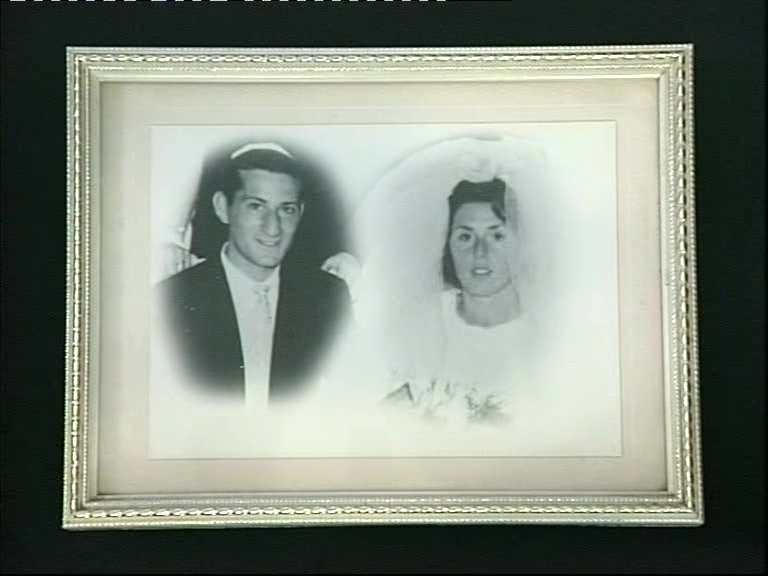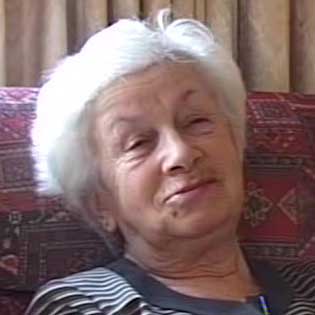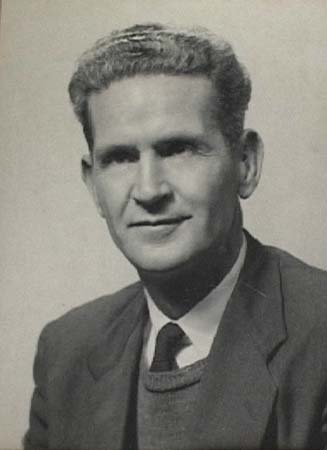
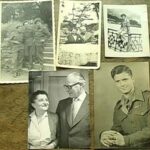

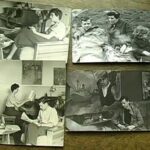
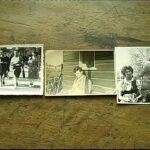
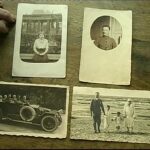
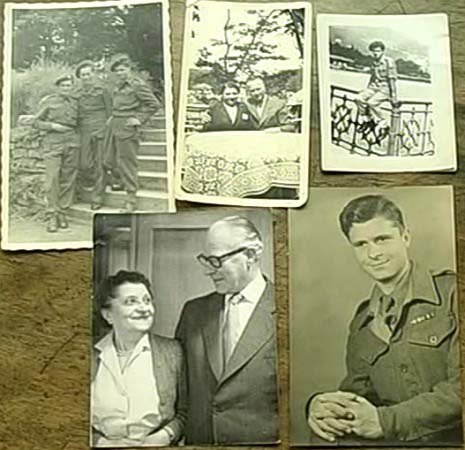
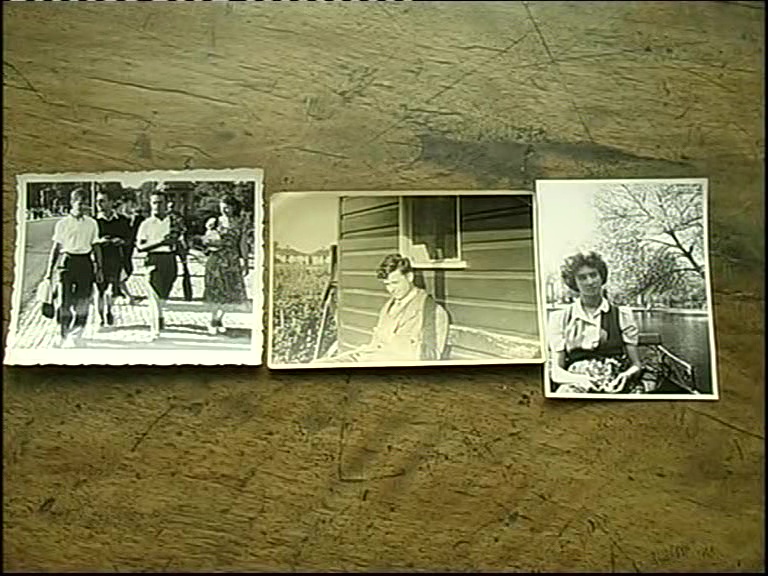
Harry Weinberger: Family photos: HW in Italy at the end of the war (name of the other soldiers unknown); His parents in Switzerland during the war; his parents in old age in England ca. 1960s; HW after the war;
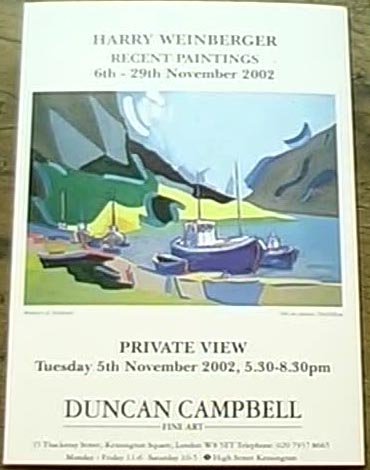
Harry Weinberger: "This is the last exhibition I had with Duncan Campbell
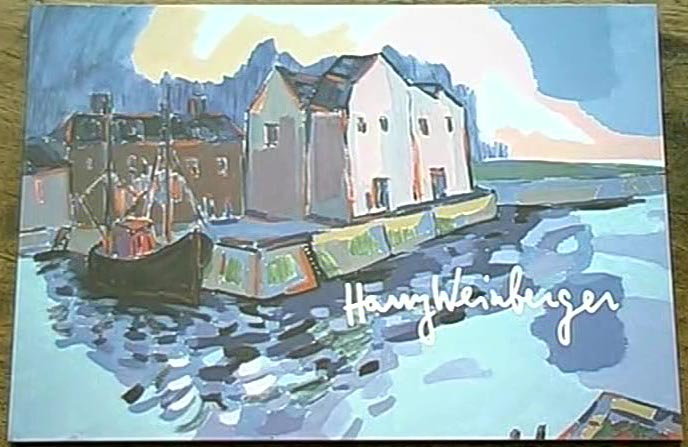
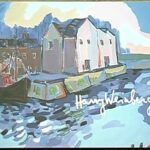
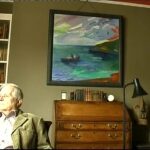
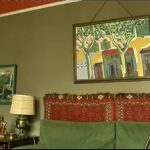
Harry Weinberger: One of HW'S paintings
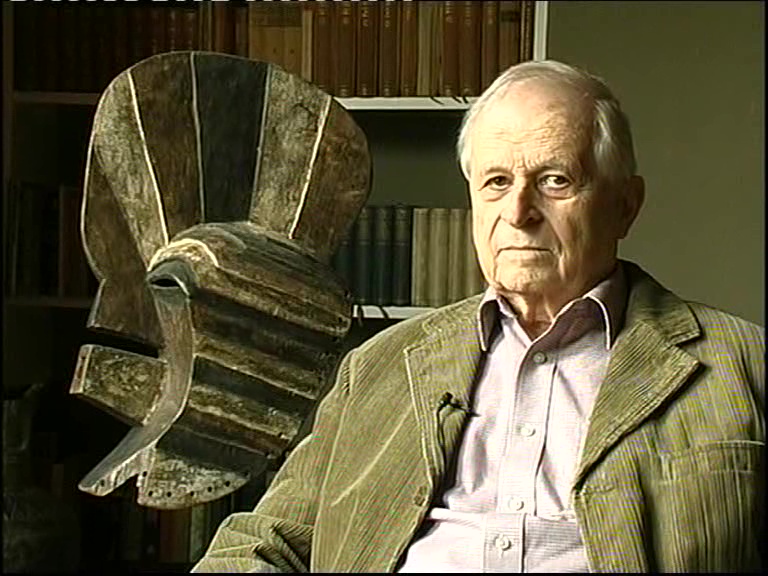
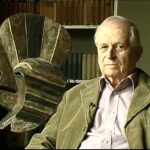
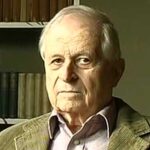
Harry Weinberger: Harry in 2005
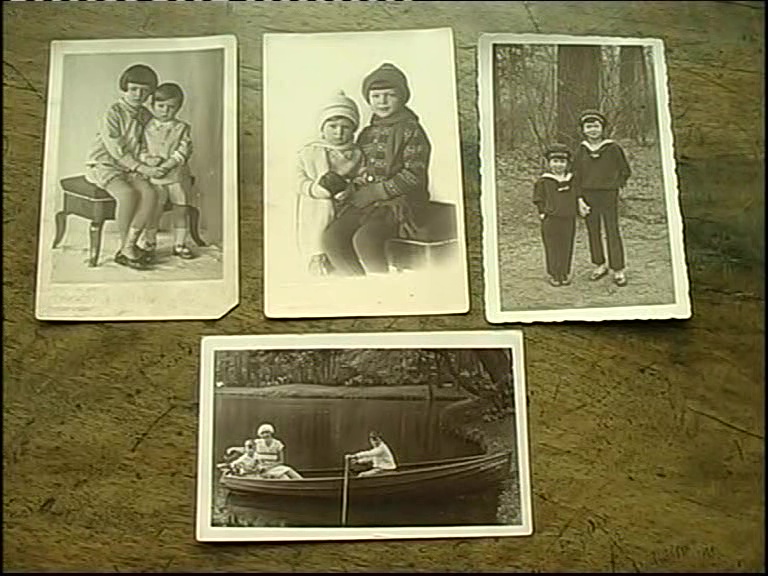
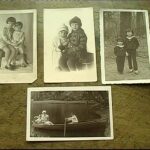
Harry Weinberger: Photos of HW and his older brother ca. 1928 in Berlin. Photo below is HW with his brother and their nanny Liesl in Tiergarten Berlin (park).
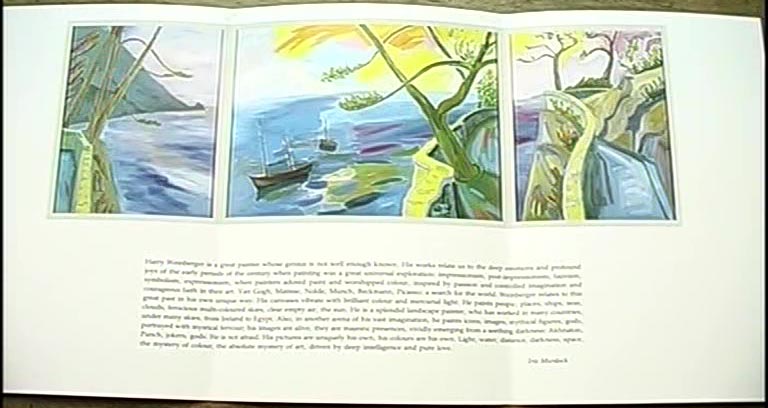
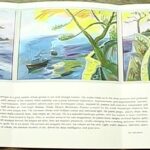
Harry Weinberger: Page in one of his exhibition catalogues
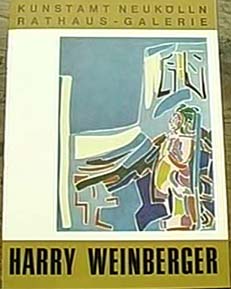
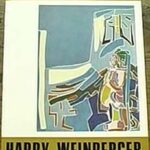
Harry Weinberger: "This is one of my German catalogues
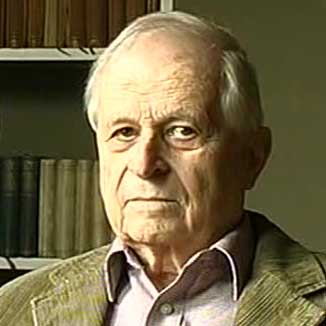
Harry Weinberger: 2005
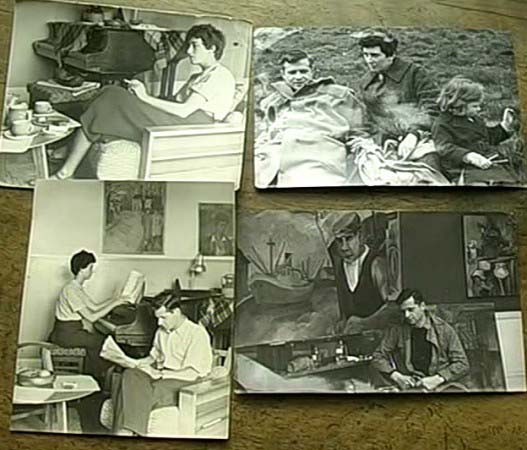
Harry Weinberger: Photos on the left of the time when they were first married in Brighton
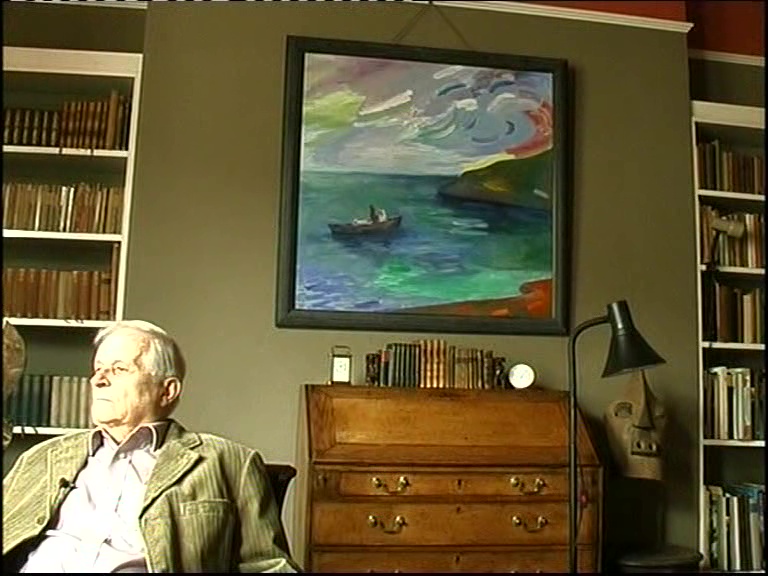
Harry Weinberger: HW with one of his paintings
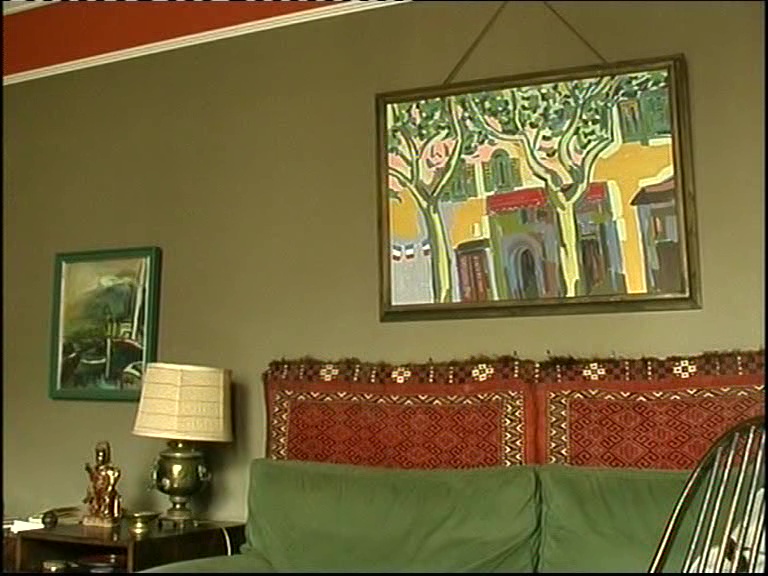
Harry Weinberger: One of HW's paintings
Harry Weinberger: HW in London in the late 1940s
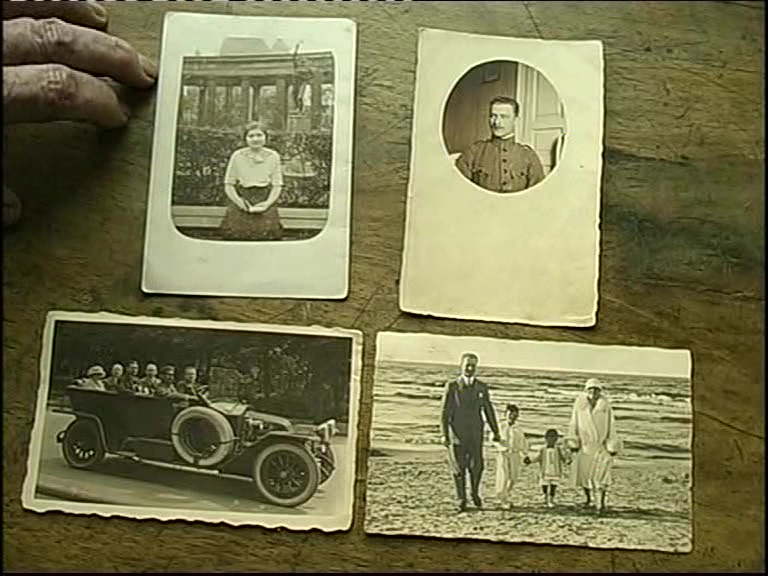
Harry Weinberger: Photo of his mother; photo of his father
Harry Weinberger
Harry Weinberger was born in Berlin on 7 April 1924
Born: 1924
Place of Birth: Berlin
Arrived in Britain: 01/06/2026
Interview Number: 92 (S)
Experiences: British Military , Early Pre War Emigration to Czechoslovakia , Jewish Brigade , Kindertransport
Interview Summary
Harry Weinberger was born in Berlin on 7 April 1924. His father was a wealthy factory owner and the family was not religious; for example, he was never taken to synagogue. In 1933, the family moved to Czechoslovakia (Teschen and Brno).
Harry and his sister came to England on the Kindertransport in summer 1939. Their parents later escaped to Switzerland. Harry attended private schools until 1941, and later worked in a Welsh factory until 1944. He then joined the Queen’s Own Royal West Kent, which became part of the Eighth Army in Italy. He was also a member of the Jewish Brigade, and worked for the Intelligence Corps in Germany.
After the war Harry attended the Chelsea College of Art and had a career as an Art teacher. He married Barbara and they lived in London.
Keywords: art, artist, Queen’s Own Royal West Kent, Jewish Brigade, Kindertransport, Intelligence Corps
Place of Birth
I found myself in a boarding house in Finsbury Park and a couple of people, older than I was took me to a cinema. My first visit to an English cinema was amazing. Half way between the two main programmes, the cinema organ came up from the floor and words appeared on the screen and people sang along with the cinema organ. I had never seen anything like this before and I thought I’d landed in a lunatic asylum. It was the strangest thing that I had seen.
I saw demonstrations, I saw clashes between Communists and Nazis, I saw real violence in the streets and I knew that we had nothing to do with the Nazis. When Hitler was appointed Chancellor, my father said ‘He won’t last longer than four weeks’ and didn’t take him seriously.
I liked Czechoslovakia, I thought we had found a second home there and it was a very free and easy country and it was a beautiful country.
He shouted things like ‘Germany is in front of us, Germany is above us, Germany is behind us, Germany is in us’, and each time he was interrupted by thousands of people yelling ‘Sieg Heil!’ and it made no sense at all.
Unfortunately, quite a lot of people didn’t take him [Hitler] seriously. We had a, what do you call them, porter, concierge, called Fölzmann in the house and in February ’33 he turned up in full Nazi uniform, which was a bit of a surprise. When the Reichstag burned, I saw from our windows the glow in the sky and heard the fire engines and was very aware what had happened politically. But like many others we thought it would all be over soon. I didn’t notice any of the anti-Jewish boycotts or demonstrations. The school I was at…, I didn’t know any fellow Jewish pupils. I remember we went to Sans-Souci to see the castle of Frederick the Great and I remember the names of our teachers: Fräulein Hut, Fräulein Hase and Frau Direktor Tiezenthaler. And there was no nonsense about ‘Heil Hitlering’ or anything like that. Not in my memory and not while we were in Germany. But when the grown-ups said that we would leave Germany I was very upset and I remember walking through the streets near my home, trying to memorise them, I didn’t know how long it would be until I’d see them again.
REFUGEE VOICES is the AJR’s groundbreaking Holocaust testimony collection of filmed interviews with Jewish survivors and refugees from Nazi Europe who rebuilt their lives in Great Britain.
The copyright of personal photos and documents on the site is held by each interviewee and may not be reproduced without their permission. Please contact the AJR if you would like to use any of the images and documents.