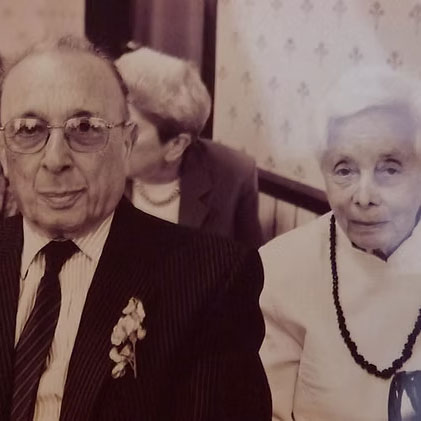
What was left behind
Jews had lived in Germany and Austria since Roman times. However, they had only been allowed to enter German society fully after the Enlightenment. In the nineteenth and early twentieth centuries Jews made an enormous contribution to German and Austrian cultural and economic life.
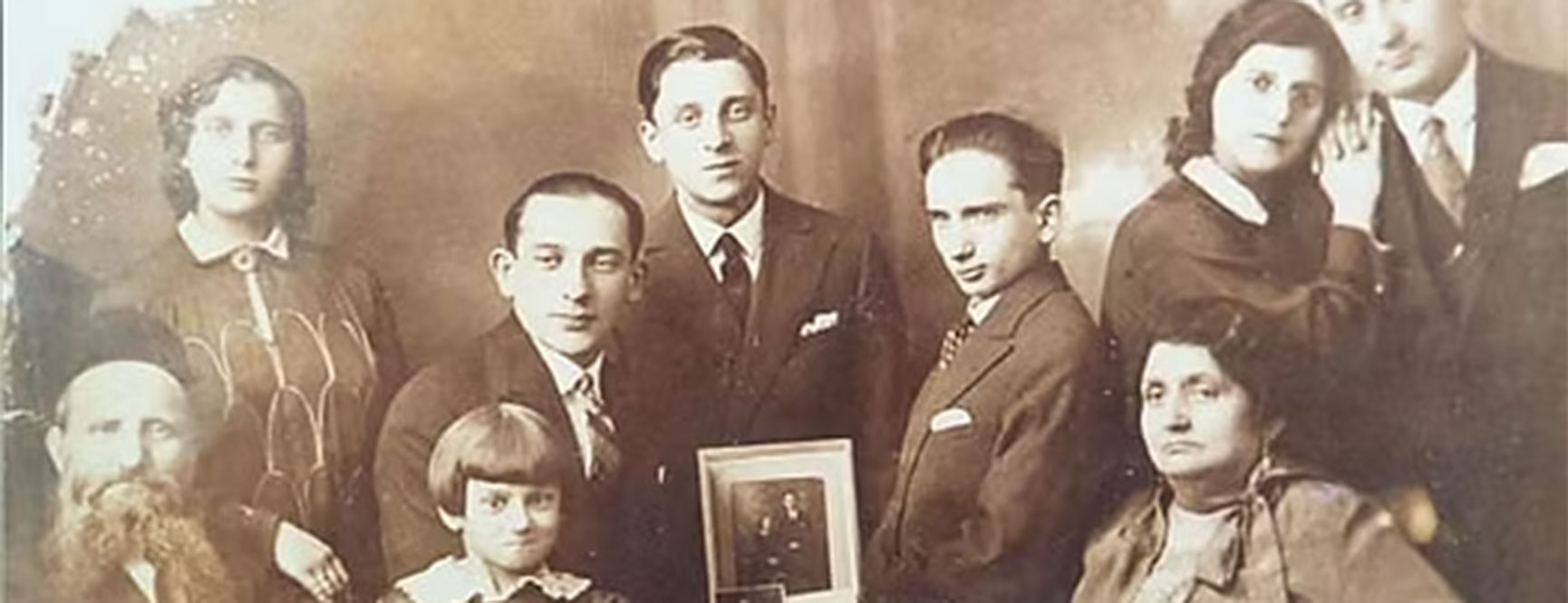
Jews were prominent by their success in certain fields, though they formed only a tiny proportion of the overall population. They proved to be loyal and patriotic citizens, fighting in large numbers as German or Austrian soldiers in World War I. They tended to cluster in the cities and also in certain commercial and professional occupations. The assimilated Jews from urban, middle-class backgrounds were often those best equipped to overcome the numerous obstacles to emigration to Britain after 1933.
During the nineteenth century the Jews of Germany and Austria had been granted civil and political rights and had integrated into mainstream society. But in the 1930s a change in political conditions radically altered their situation for the worse. The upheavals following the First World War, the instability of the Weimar Republic and the mass unemployment caused by the Great Depression paved the way for a reactionary backlash and for Hitler’s rise to power in 1933.
The decades of gradual integration into gentile society had made the Jews of the German-speaking lands feel secure in their position, despite anti-Semitic manifestations. The abiding impression left by Jewish home and family life in the period before the Nazi onslaught was its peaceable normality.
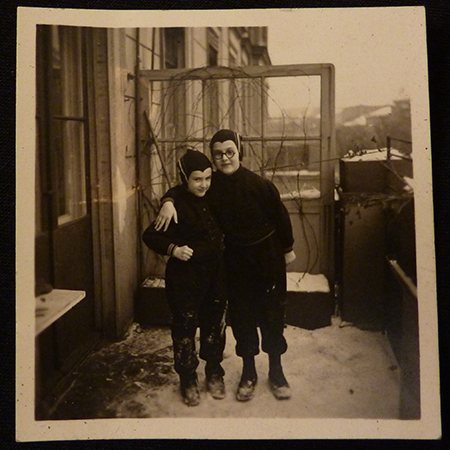
VM: With her sister on their balcony, Berlin, winter of 1933
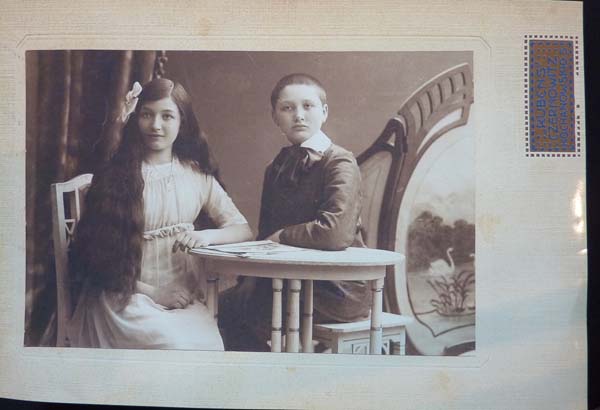
RL: Mother with younger brother, Vienna, early 1920s
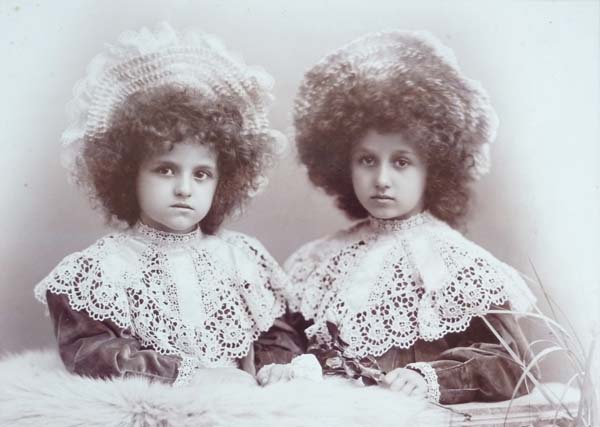
WH: Mother and aunt in Russia, ca 1900. WK's mother is on the right
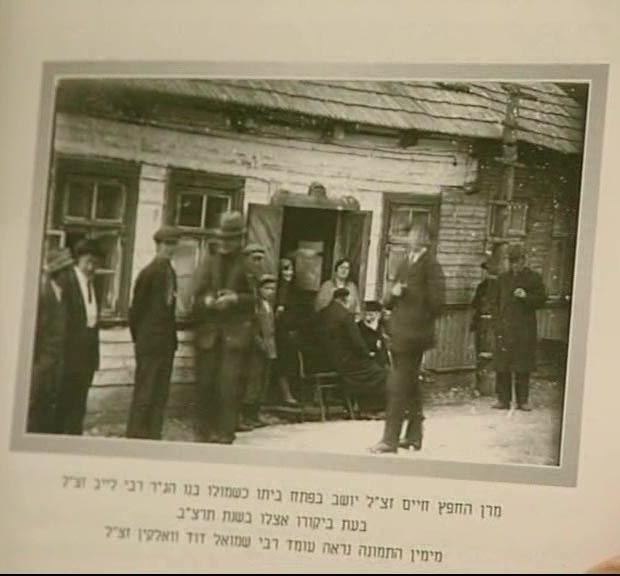
JC: "This is a photo of Reb Boruch Feivelson, one of the Rosh Yeshivas in Radin, and it was taken in 1936, in Radin."
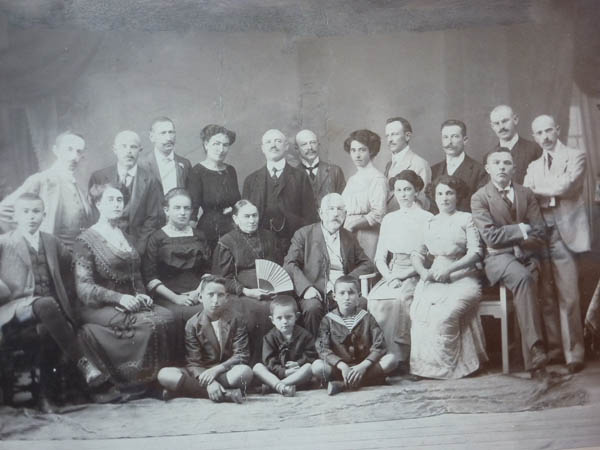
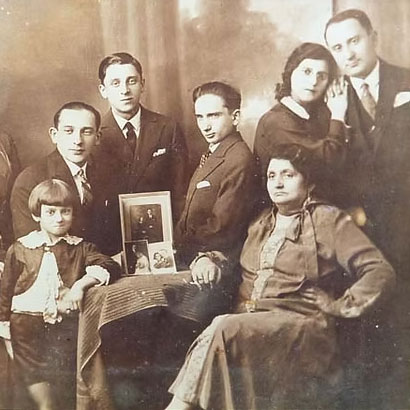
TK: Tom’s maternal family: Tom’s great-great grandparents in centre on their golden wedding, great grandmother and grand mother left of centre, front row. Grandmother’s uncles aunts and cousins, the majority of whom lost their lives in the Holocaust. Kapuvar, Hungary cc 1905
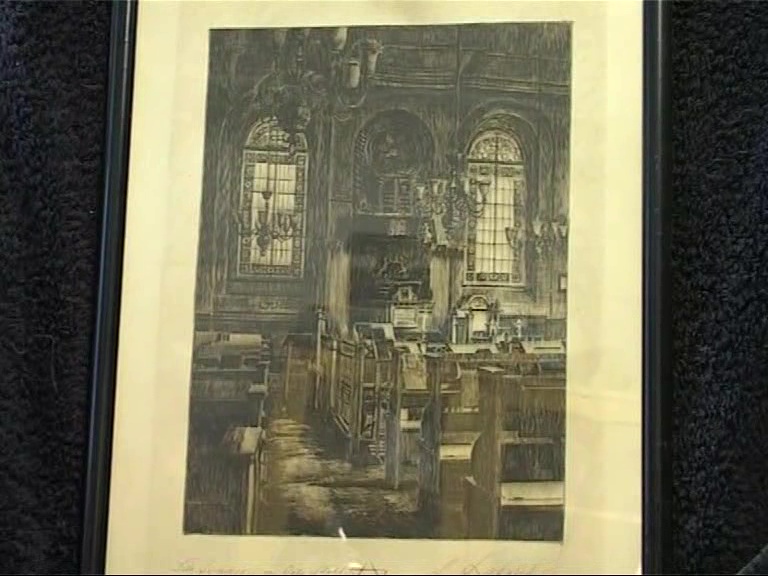
EK: Black and white drawing of the interior of the synagogue in Öls, Silesia by an artist called Labouchine, date not given
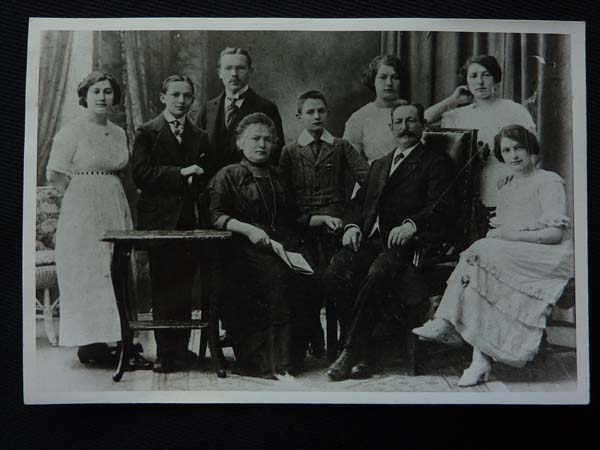
KM: Grandparents' silver wedding anniversary, Poll, Cologne, ca1914
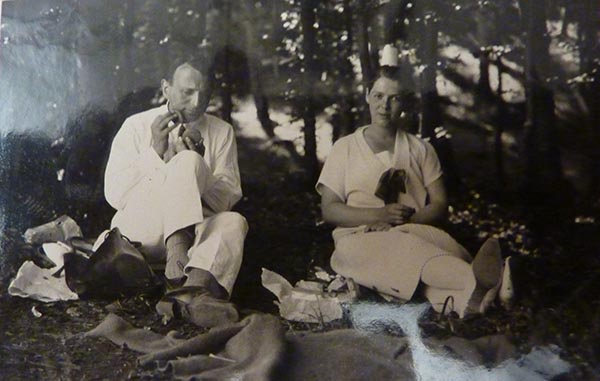
VM: Mother and father at a picnic, place unknown, early 1930s
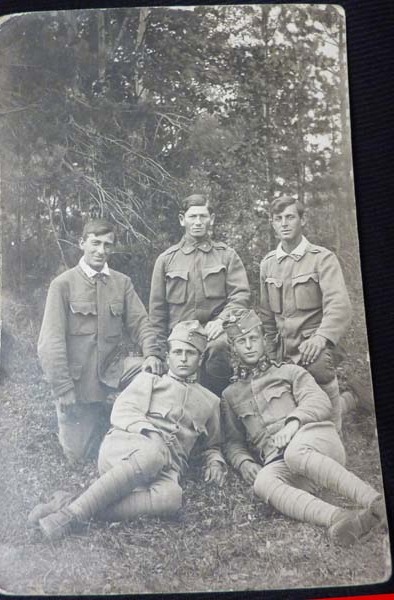
FB: Father as a Russian prisoner of war, possibly in Siberia, ca1916
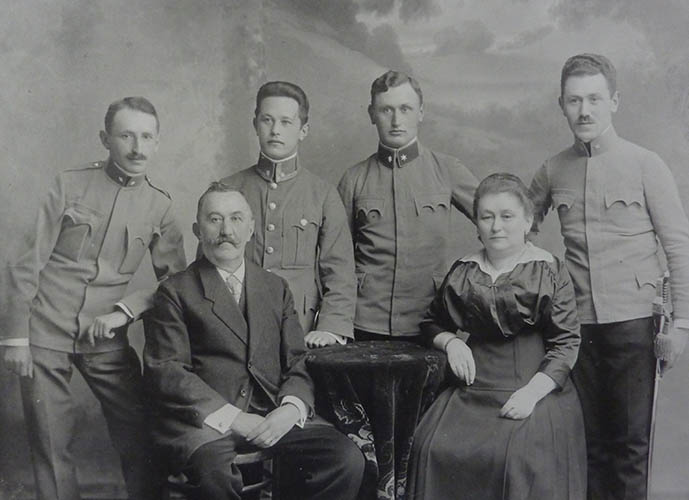
HE: HE’s paternal grandparents Fantl, standing from left, eldest son Otto, her father Rudolf, Josef, Richard, Jindrichuv Hradec, around 1914
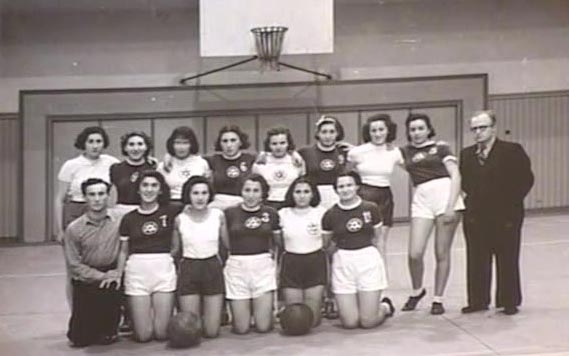
DB: AS a member of the basketball team of Bar Kochba, ca 1935
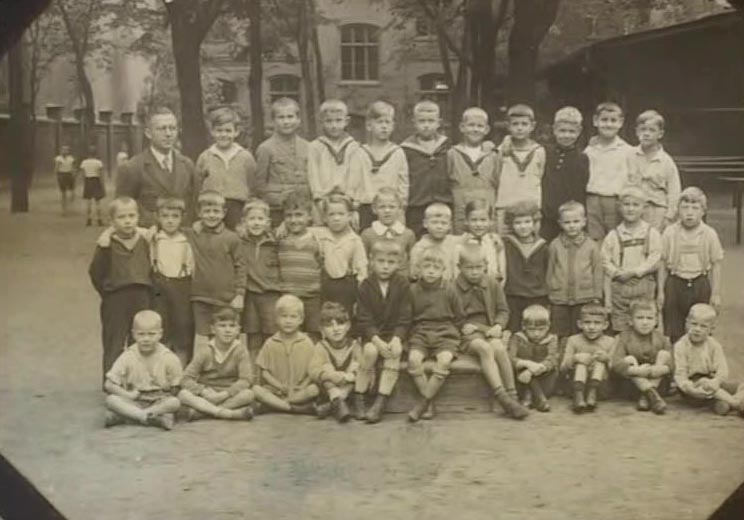
RM: With others, incl. Herr Krebs, Volksschule Berlin, 1932
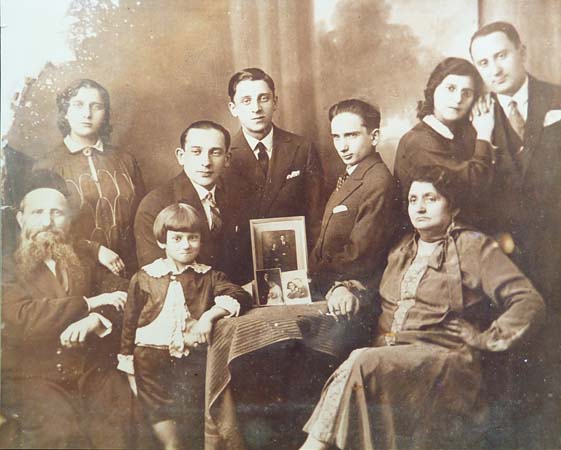
BS: Maternal grandparents' family
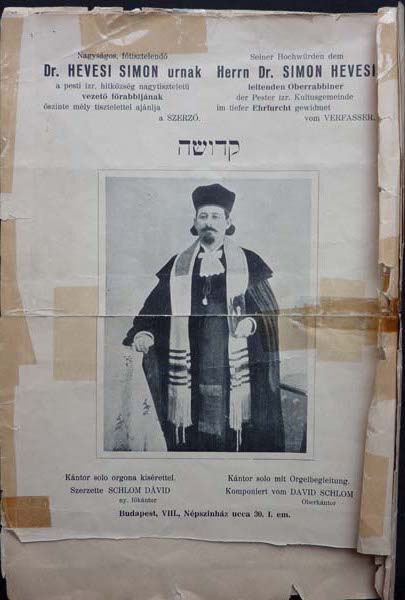
GB: Gustav´s great-grandfather, early 1900s, “He wrote the music and he acted as the Chazzan. He was singing in the synagogue”
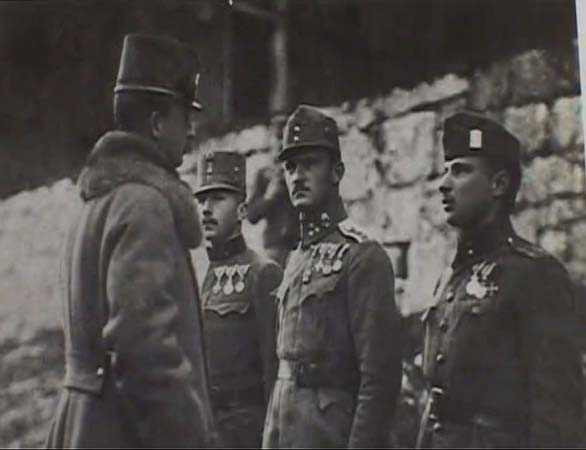
JSS: Emperor of Austria Kaiser Karl (left) giving a medal to John's father, Robert Subak (right), ca. 1917
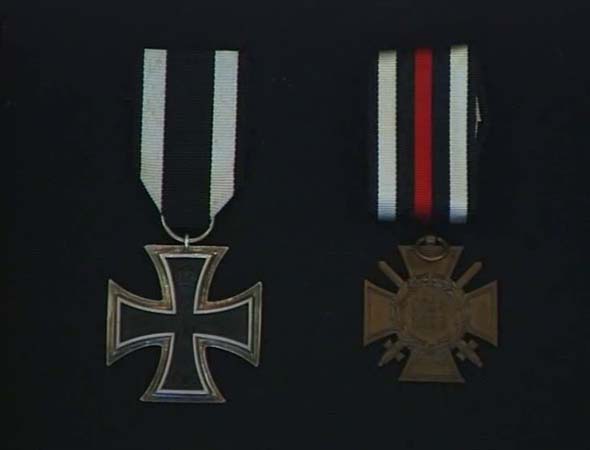
RL: Father's Iron Crosses from WW I
![TH: Parents, Dr Fritz and Sybille Heinemann, at a Faschingsparty [carnival party] in 1927.](https://ajr.twoboysdev.co.uk/wp-content/uploads/2025/07/770eee_59c2bad0ed8d43fa815ab9eacf5a9229mv2.jpeg)
TH: Parents, Dr Fritz and Sybille Heinemann, at a Faschingsparty [carnival party] in 1927.
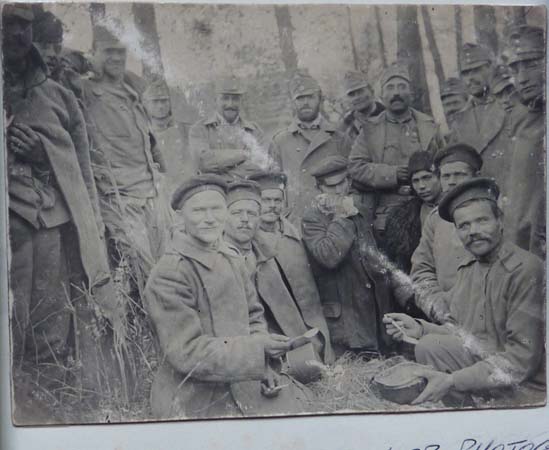
FK: Photograph taken by father, Josef, an official Austrian war photographer during WW1, showing Russian prisoners of war, published in a magazine, ‘Allgemeine Rundschau’ which commented 'they seem satisfied with their fate'
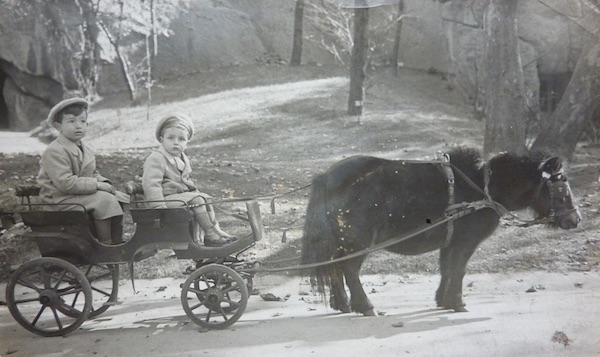
GB: With his cousin Paul on a small carriage in the zoo, Budapest, ca 1940
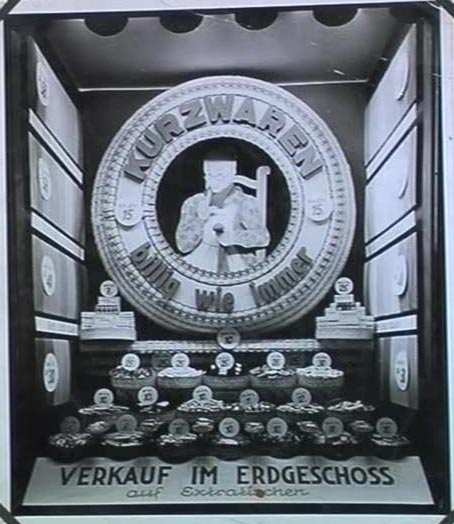
FJ: Window Display, Department Store, Bautzen, 1935
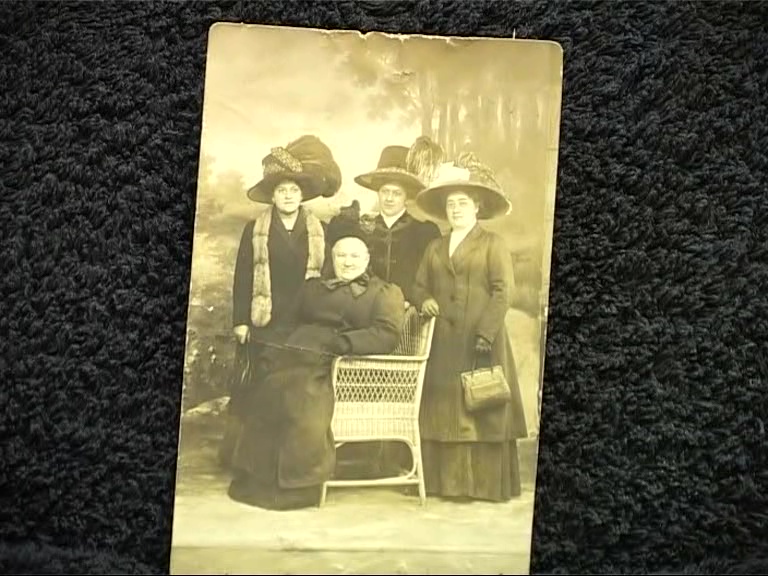
EK: Maternal grandmother and family members, Insterburg, Eastern Prussia, ca 1908 or 1910
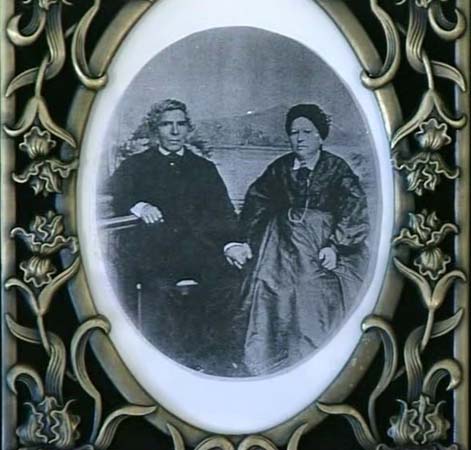
MB: Maternal Great grandparents Feist and Minken Goldschmidt, Hessen, 1880
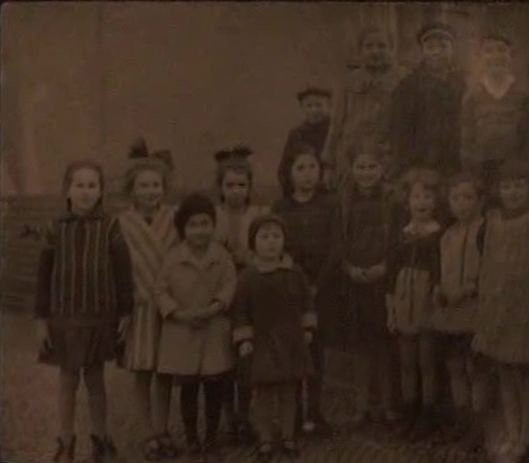
DB: With friends, Oranienburg, Berlin, ca 1930
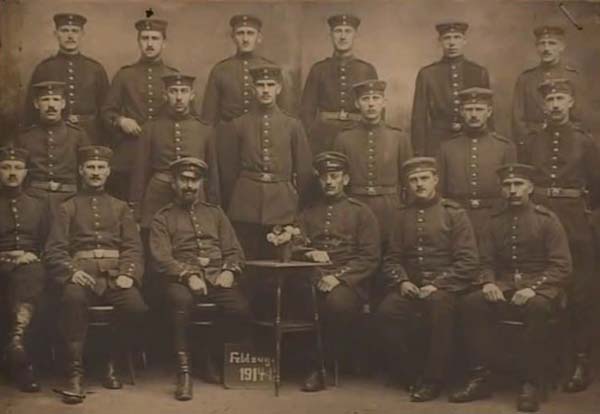
HS: WWI, father marked at back
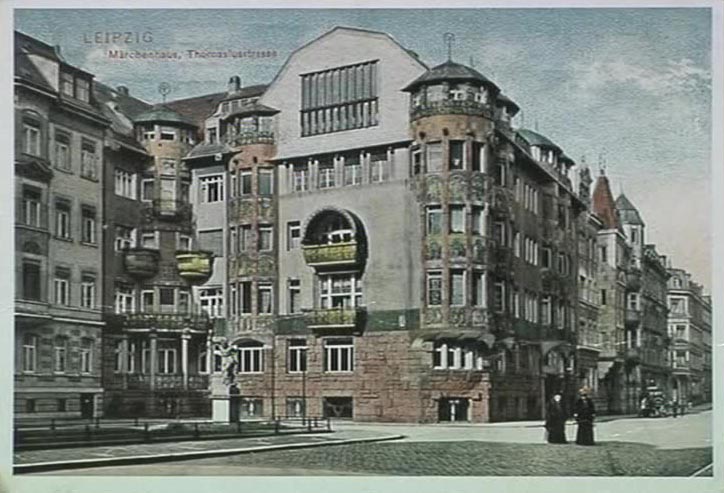
FJ: Family home, Leipzig
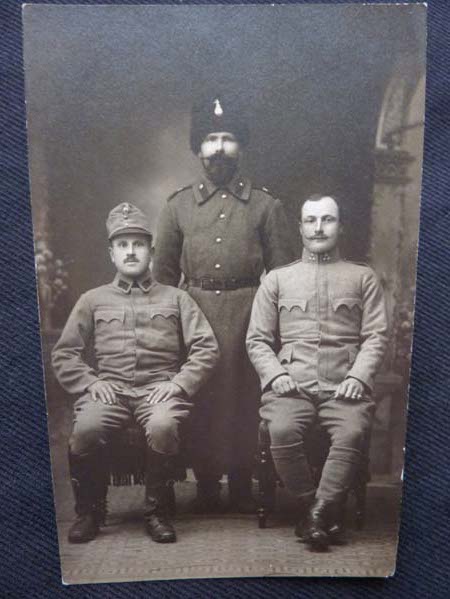
EB: Maternal grandfather Hermann Hirsch on the right, during WW1
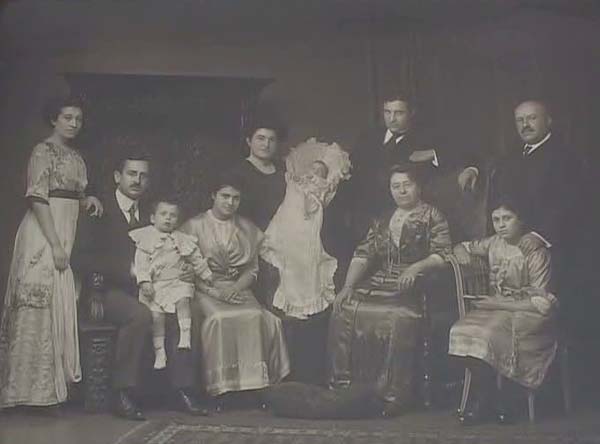
MG: Grandmother, grandfather, mother, sisters, Marion (baby), Berlin, 1912
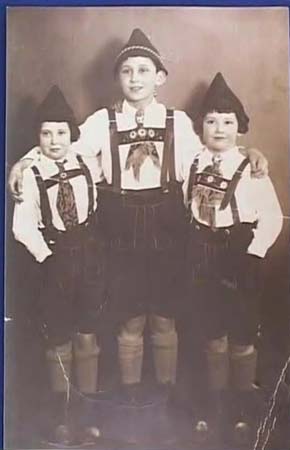
WF: With sister Thea and brother Manfred, 1927
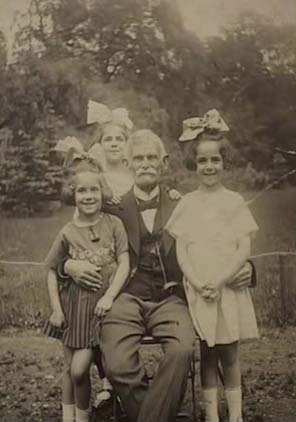
LH: Lillian (right) at Grandfather’s 77th Birthday, with Gerda (left), and Irene (back).
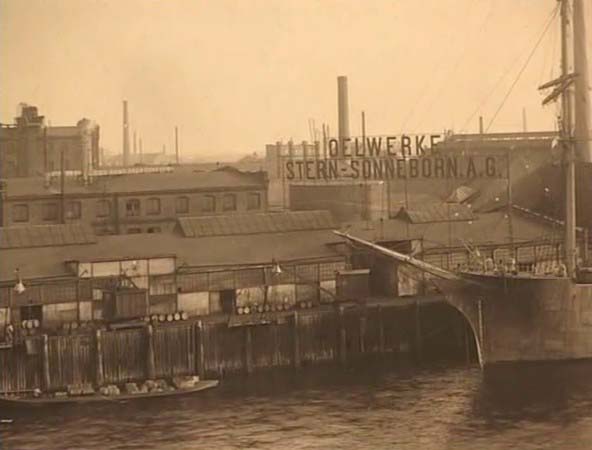
BM: An oil refinery that belonged to Beatrice's grandfather, Jacque Sonneborn, Elbe.
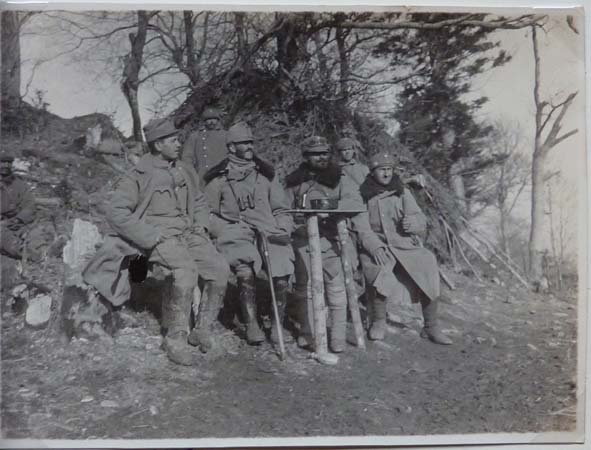
FK: Father Josef on the left of the photograph, taken probably on the Russian front, during the First World War
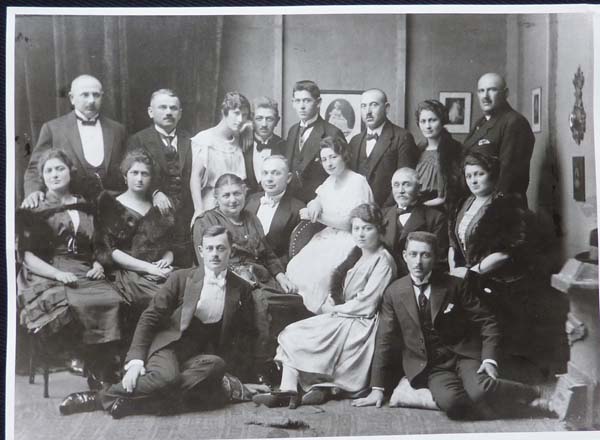
GV: Double engagement party of Gerta´s father and mother and her aunt and uncle, her maternal grandparents with their 13 children and some of their husbands, from bottom right: uncle Ferdinand, mother Josefine, father Max, second row, aunt Jetti, grandfather, Ada, Ada´s future husband Artur, grandmother Helena, Trnava, ca 1921/22
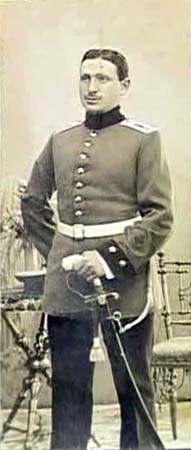
EK: Father, 1904
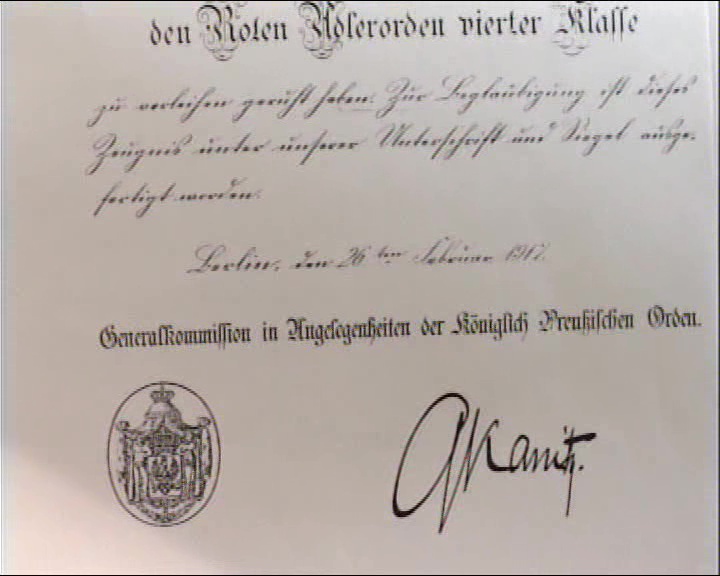
JG: Document stating his paternal grandfather Isidor Goldschmidt received the Order of the Red Eagle fourth class. Photo 1917 in Dortmund.
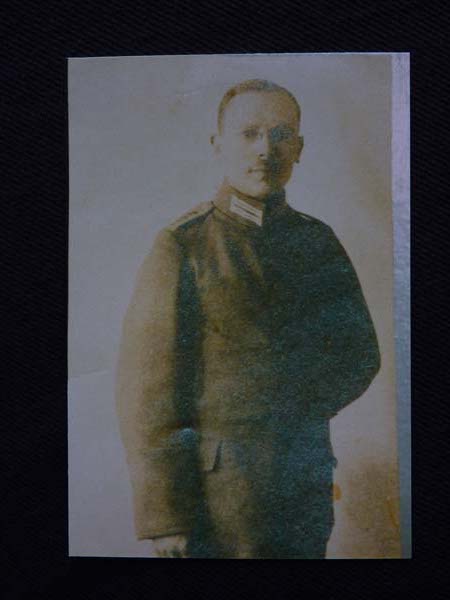
KM: Father when serving in Germany army during WW1, ca1914
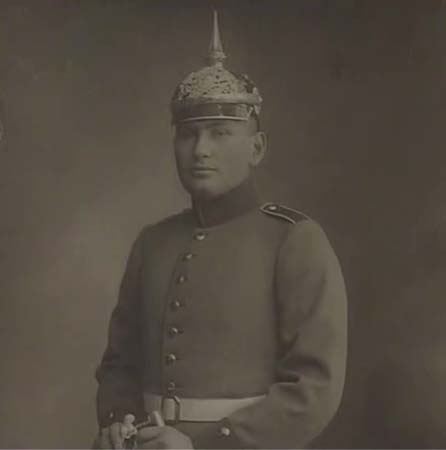
UG: Ferdinand Brann, father, WWI cavalry, 1914
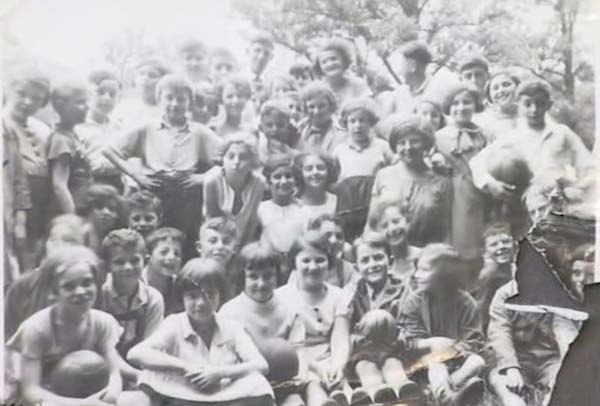
RE: Hebrew school outing, Vienna, 1934
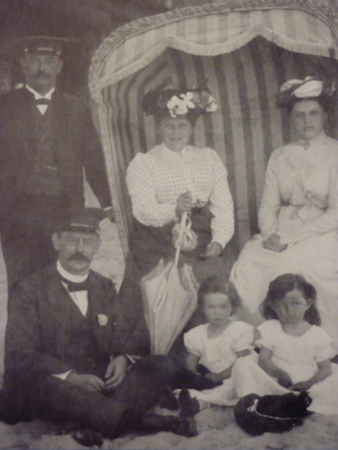
VM: Great-grandmother's family on a seaside holiday in Heringsdorf. "The family went there for many years, and I remember going there as a small child." VM's great grandmother sitting in the basket chair on the right, great-grandfather standing on the left, and their cousins. VM's mother is the child on the right.
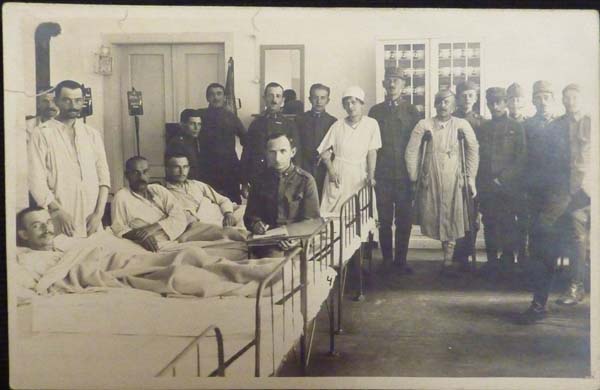
EG: FatherJakob Gottfried sitting down and injured, WW1
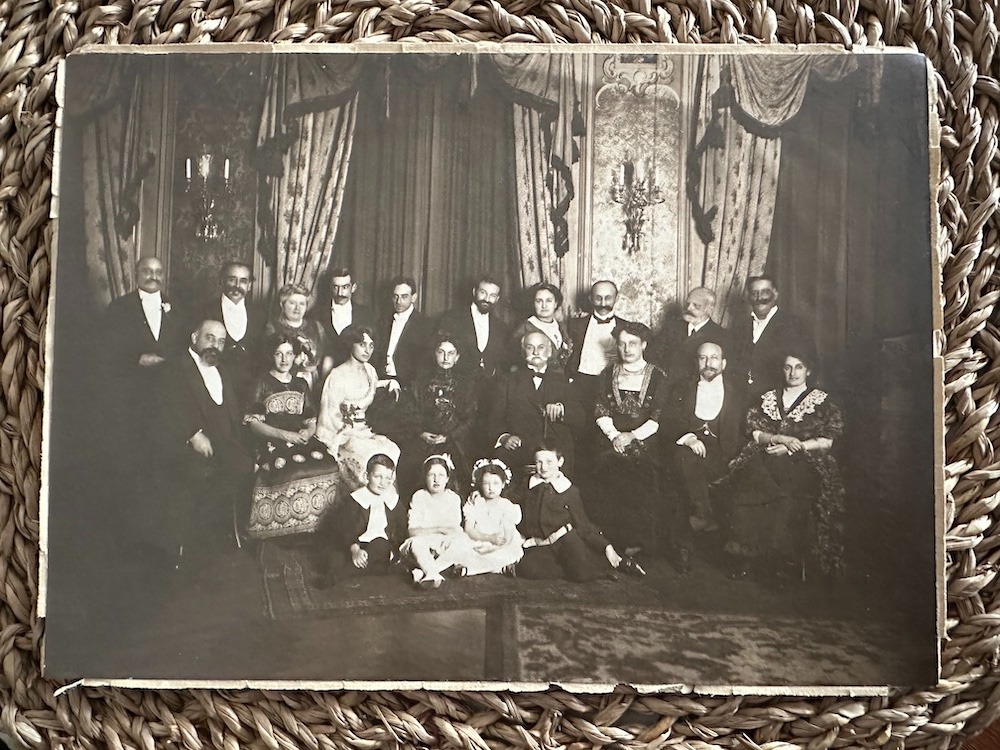
TH: Birthday dinner for great-grandfather Joseph Schülein (in the centre), brewery director who retired to castle Kaltenberg, Upper Bavaria
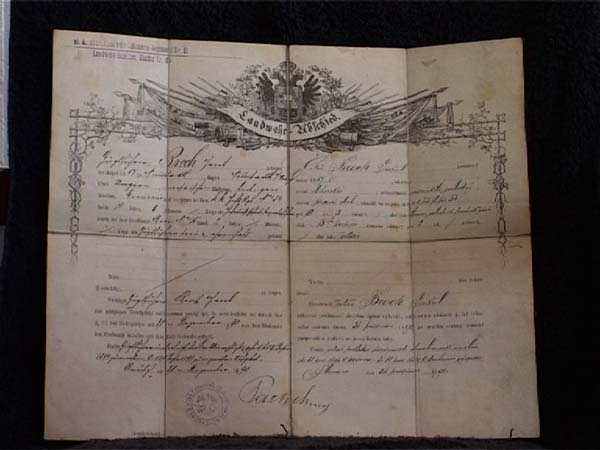
JB: Grandfather's discharge papers from Austrian army, 1890
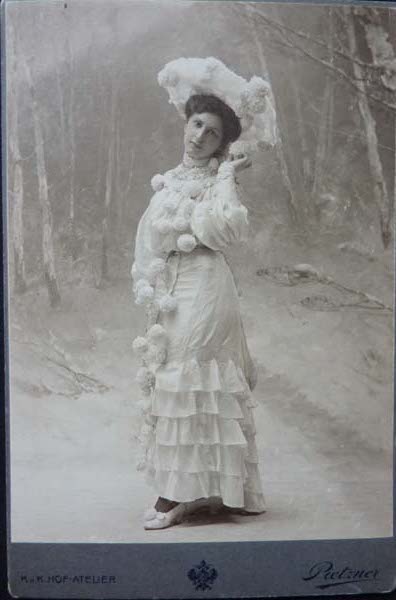
EA: Mother Rosa Lindner as a young girl
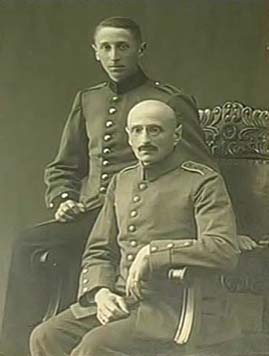
RG: Father (Julius), grandfather (Hermann) in their army uniforms in Ratibor, Upper Silesia (present day Racibórz, Poland) 1918
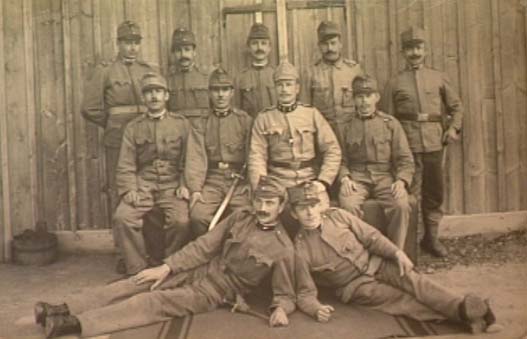
LP: Father, Joseph Schwartz, 1916 ( in the centre of the back row)
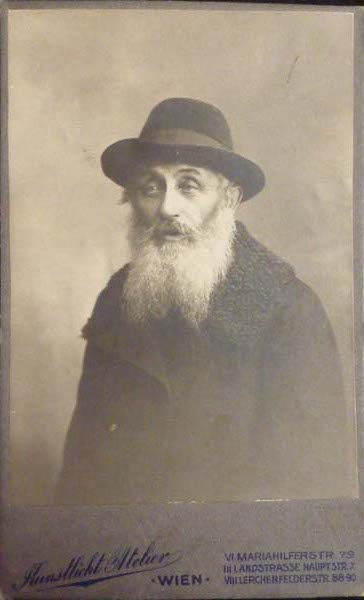
EG: Grandfather Israel Meyer Gottfried, Vienna, early 1920s
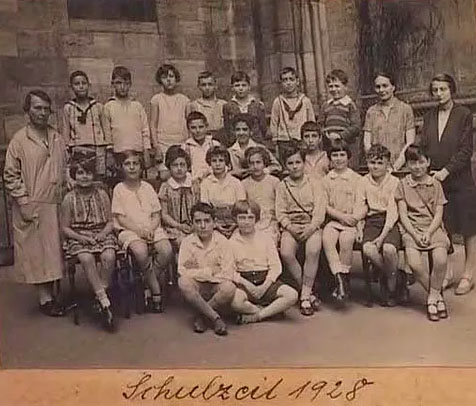
MM: In the middle of the front row at the Jewish Primary School Class, Fasanenstrasse, Berlin, 1928
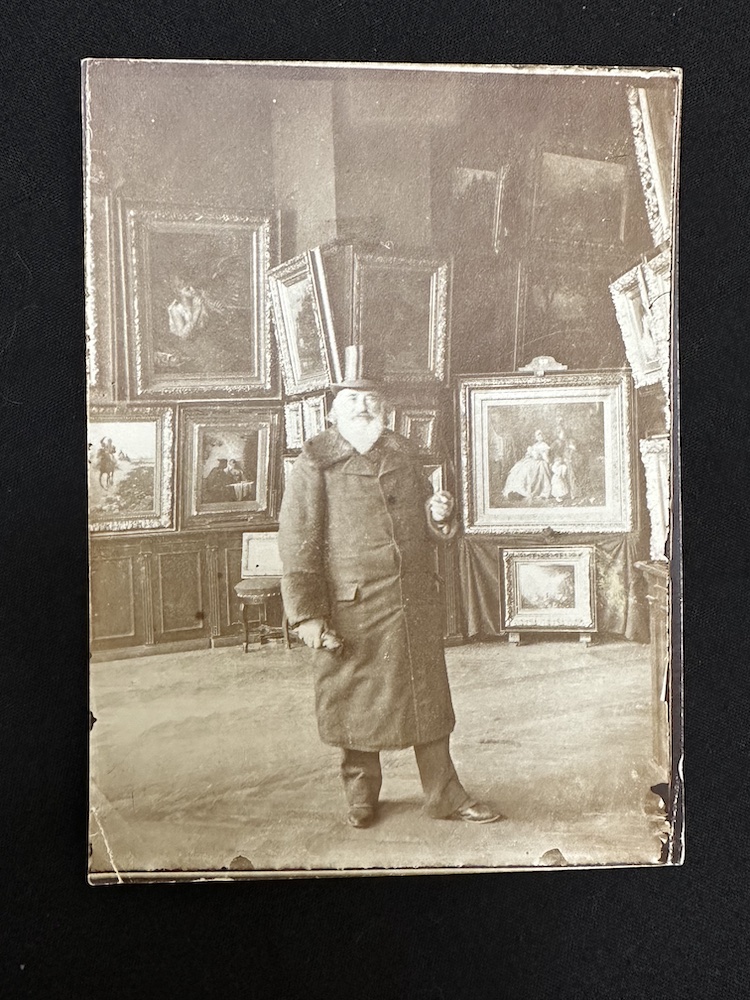
TH: "Great-grandfather David Heinemann, in one of his earlier galleries before the one in Lenbachplatz, the main gallery, was acquired. "
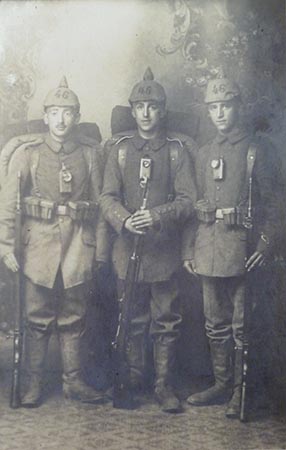
JM: Father on the left with two of his friends, having just enlisted in the German army, before they were sent to the Eastern Front, 1915
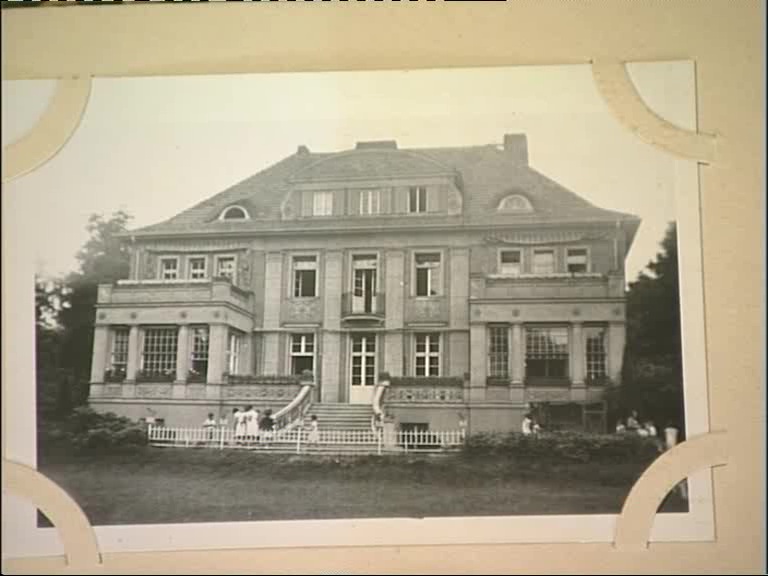
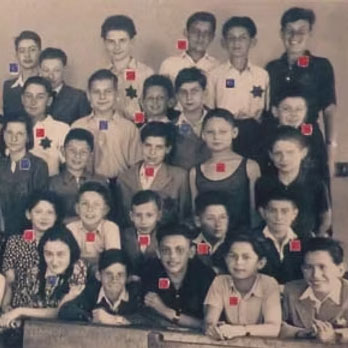
LC: Jewish School, Berlin, ca 1935
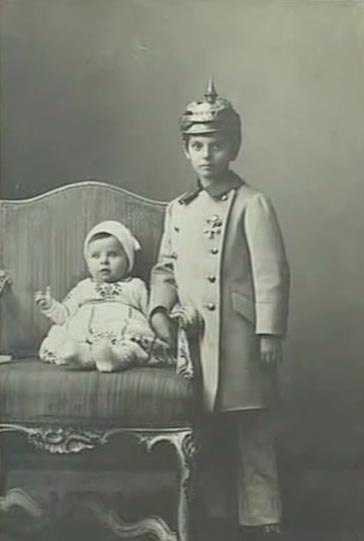
RS: With his brother Fredi in 1915
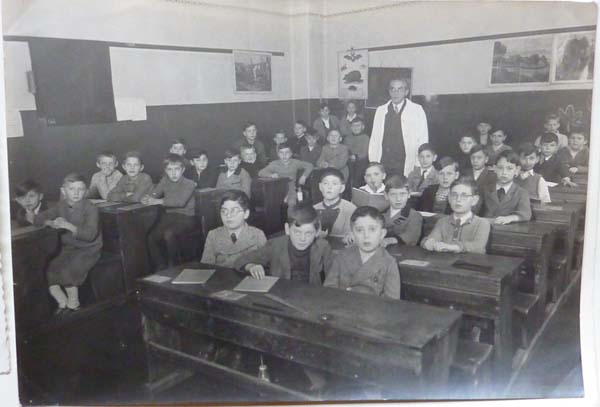
FK: FK’s class at Volkschule in Vienna, FK sitting next to Mr Adler, the teacher, 1937
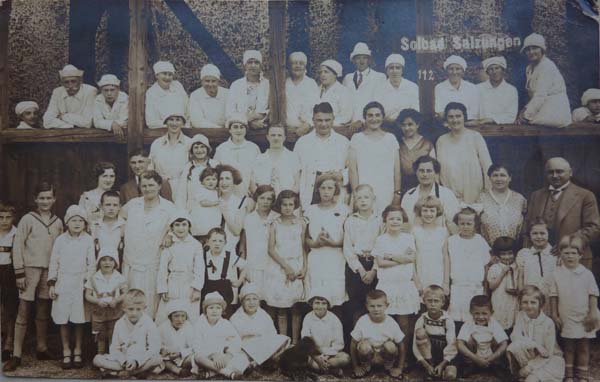
DD: In the middle of the photo, taking a spa with her mother, 1929
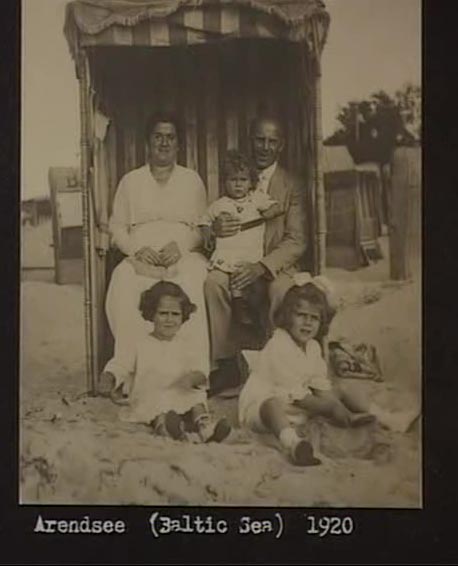
LH: Family holiday photo. Mother, Father, Lillian (year-old), Gerda (middle sister, left), Irene (elder sister, five). Baltic Sea, Arendsee, 1920
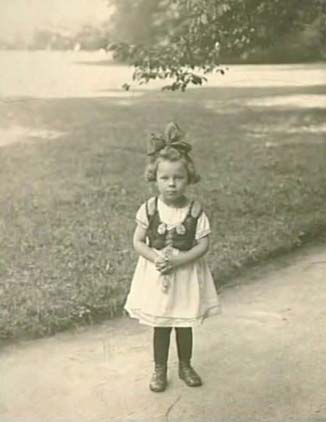
SL: Susi Braun on her third birthday in Berlin, 1923
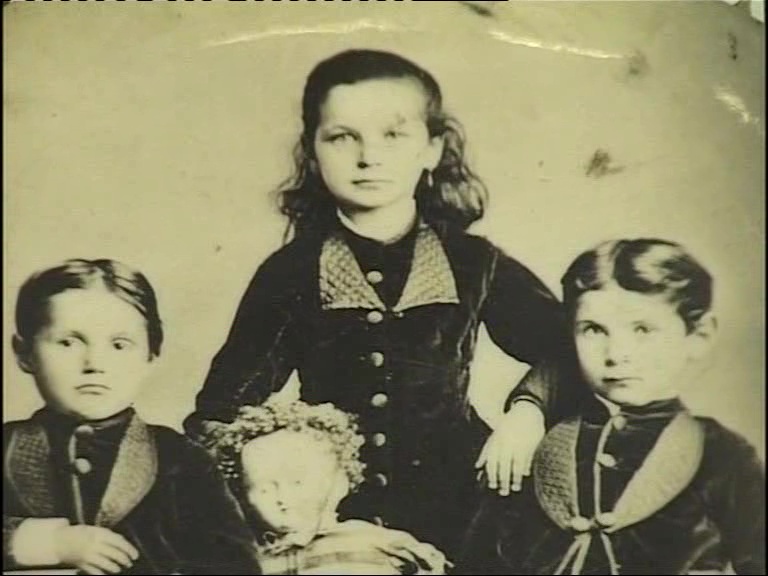
MS: Her father (on the left) with his brother, Thelmar, and his sister Fränzchen (Franziska), second half of the 19th century
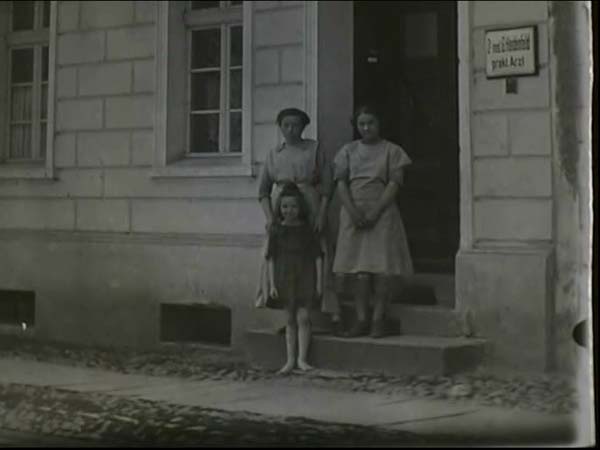
HG: Hortense's home in Breslau, late 1920s. "It’s a very large house, 20 rooms. My father’s practice was in this house, and it took up a number of rooms, waiting rooms, consulting rooms, and various other offices and things. The children, my sister and I and our nanny had our own little suite, and there were some large reception rooms because there were lots of parties in our home. There was a music room and a grand piano and a library with several hundred books. Yes, the huge basement with even central heating in those days and a garden and a huge kitchen so it was a very substantial house and home."
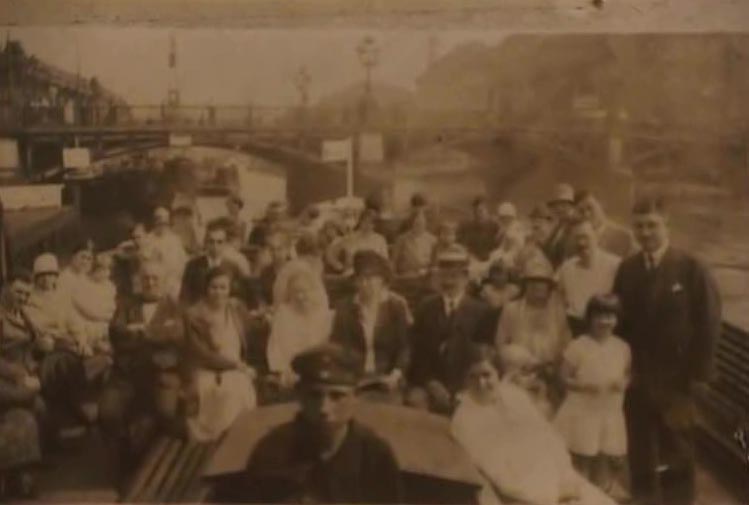
HS: On a river outing on the River Spree, Berlin, with her father on her right
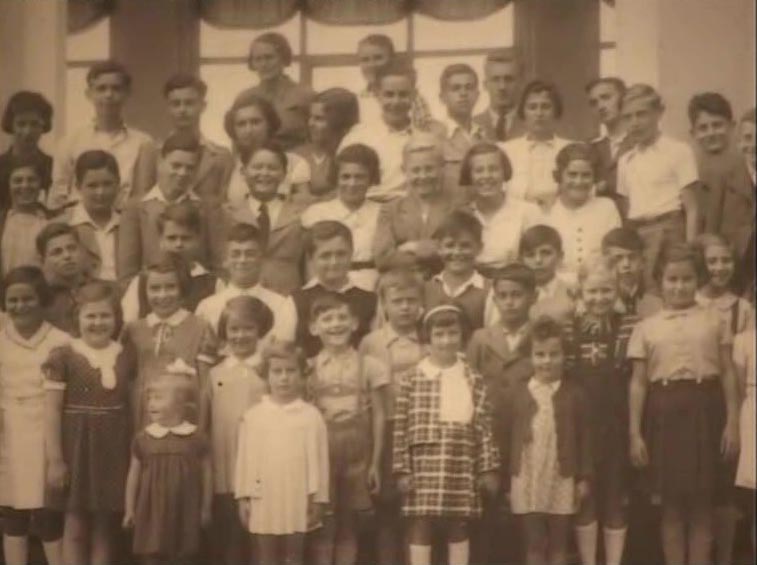
DB: With and her Jewish classmates, Memel, ca 1938
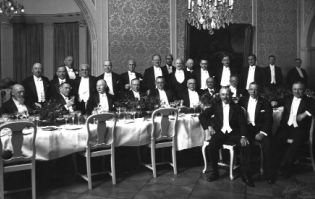
Leading Berlin businessmen, 1920s
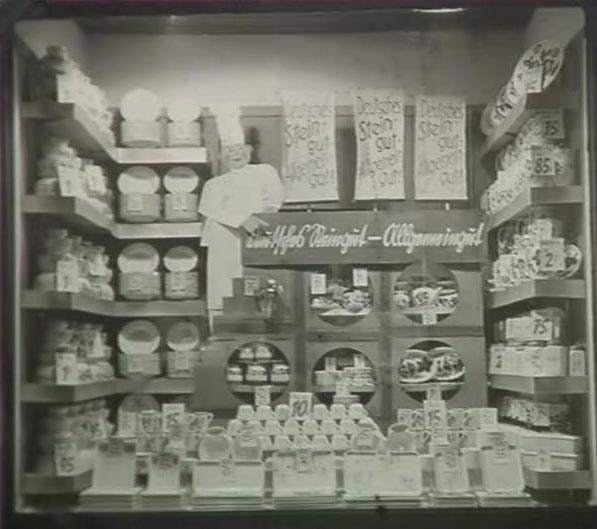
FJ: Window Display, Department Store, Leipzig, 1934-35
![KM: With the family's first car, a small Opel, ca1931. "I put it into gear. And I used the starter. You see you- you didn't need an ignition key to work the starter; it had a button on the floor of the car. I put it in gear and each time the battery turned over the engine - car moved. So, I must have driven- gone about 100 yards with it. So, it was well down the street. [laughs] I had driven it. My father was not pleased. I seem to remember that."](https://ajr.twoboysdev.co.uk/wp-content/uploads/2025/07/770eee_be48364c608e4710a138d68e2c6874f0mv2.jpg)
KM: With the family's first car, a small Opel, ca1931. "I put it into gear. And I used the starter. You see you- you didn't need an ignition key to work the starter; it had a button on the floor of the car. I put it in gear and each time the battery turned over the engine - car moved. So, I must have driven- gone about 100 yards with it. So, it was well down the street. [laughs] I had driven it. My father was not pleased. I seem to remember that."
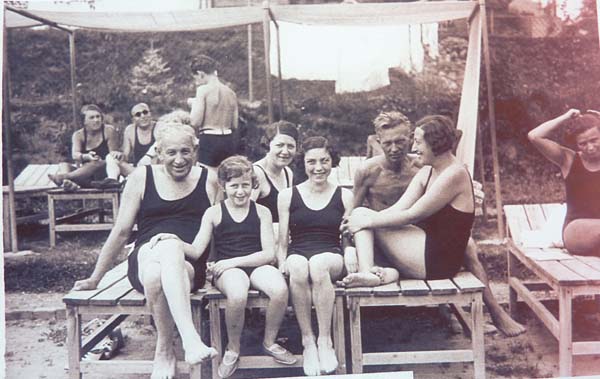
GV: Gerta with family and friends in swimwear, from left: unknown, Gerta, mother Josefine, cousin Manci, uncle Hans and his future wife Olga Trvana, 1933, “people sat down to rest after they had a swim in the swimming pool in Trnava, which was a very nice pool for us and we used to go swimming there."
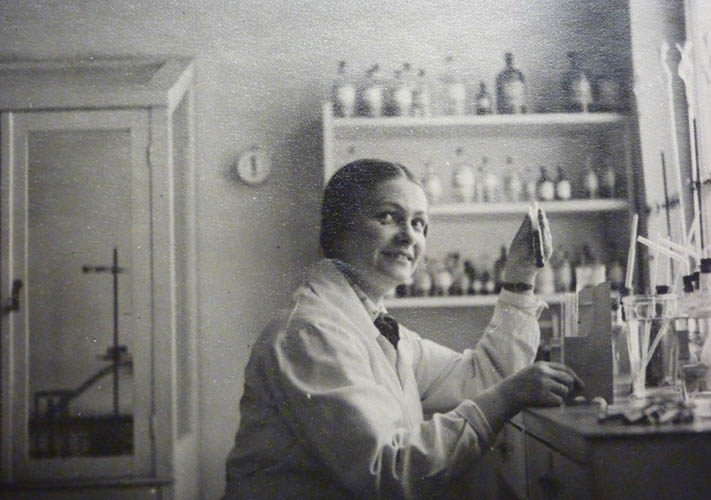
Liselotte's mother Regina Kapeller-Adler, who developed one of the first pregnancy tests. Her scientific achievements allowed the family to find residency in the UK in 1939 by by invitation from the Society for the Protection of Science and Learning
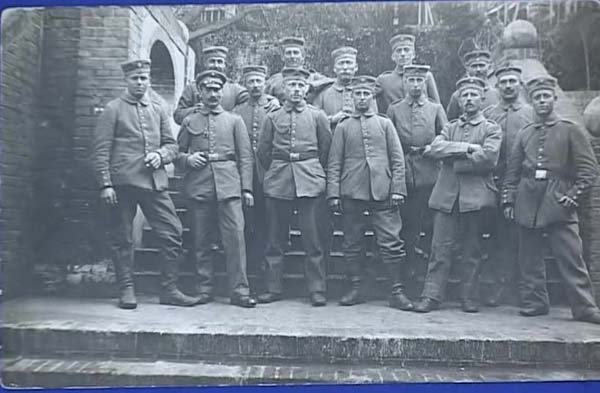
WF: Father with pipe, location not known, WW1
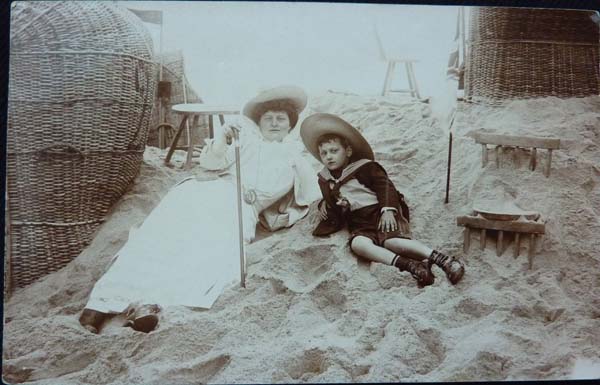
RB: Father on holiday with his mother, North Sea
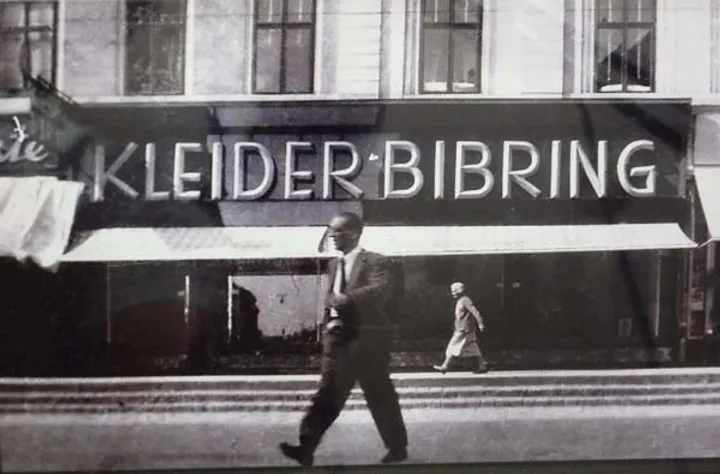
HB: Father's shop, Vienna, date unknown but before it was damaged on Kristallnacht
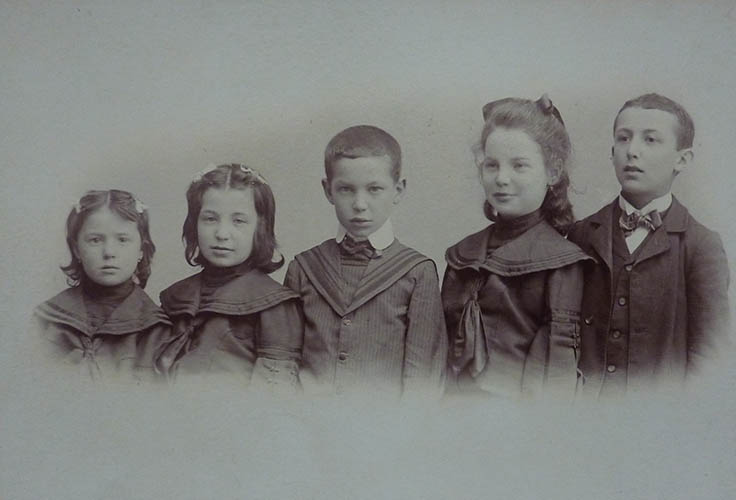
HE: Herta’s mother who was the youngest and siblings, Zdenka, sister Marta, Otto, Olga, and ?, Pribram, 1904
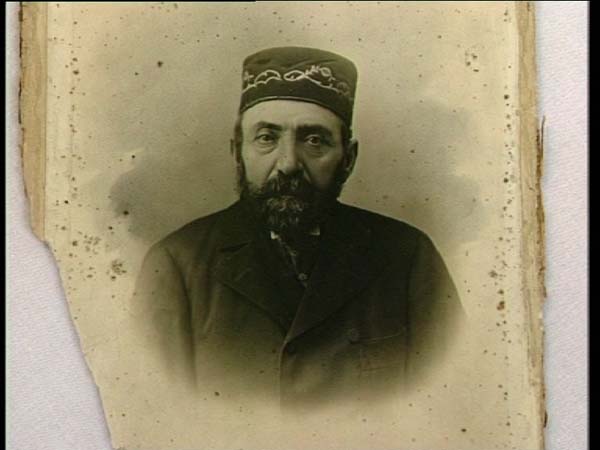
WB: Great grandfather
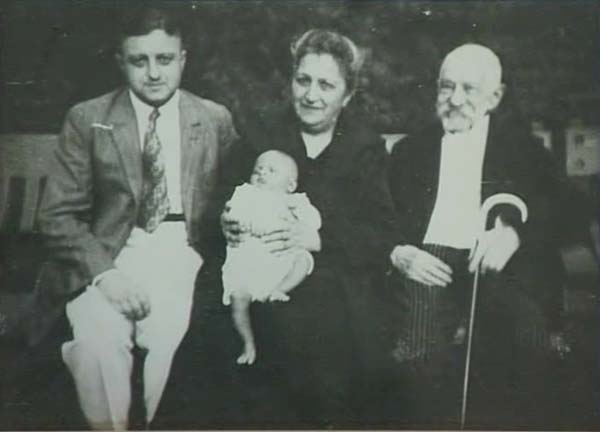
RL: Four generations: RL's father Hans, grandmother Berta, Berta's father Louis Markus and baby Rudolf, ca. 1926, Berlin
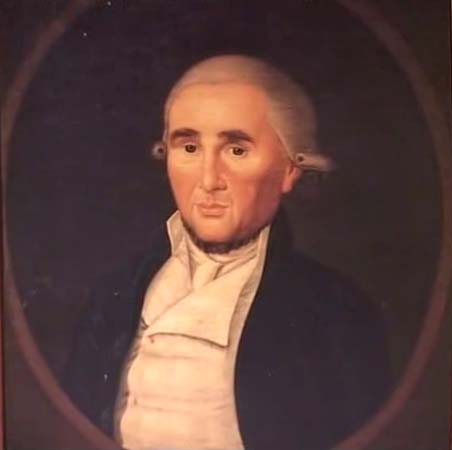
KH: Reuben Samson Hinrichsen, Hamburg, 1800. ". It’s actually by quite a well-known portrait painter, who mostly worked from Hamburg and what he did is - he came already with a ready-made figure painting and only painted the head and he did a lot of Jewish portraits in round about 1800."
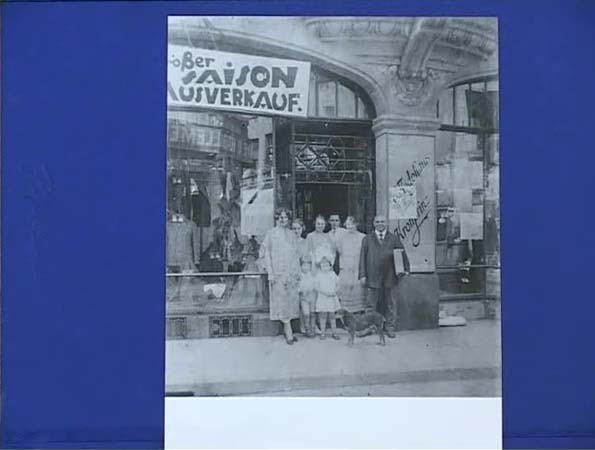
WF: With mother and sister at his father’s shop, Bonn, 1923
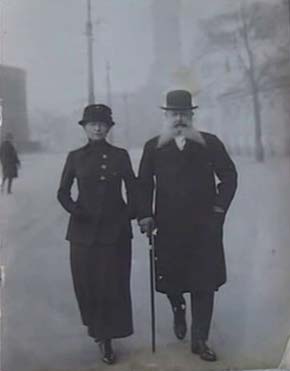
CD: Simon and Fanny Neufeld, Christmas, 1924
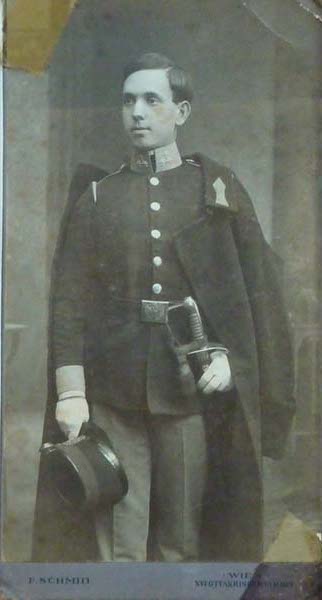
FK: Father Josef, Vienna, ca 1913
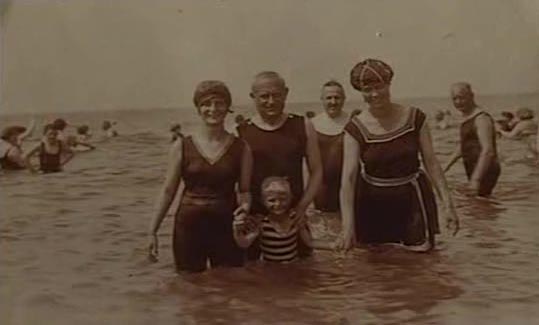
CD: With family on holiday, Baltic Coast, 1924
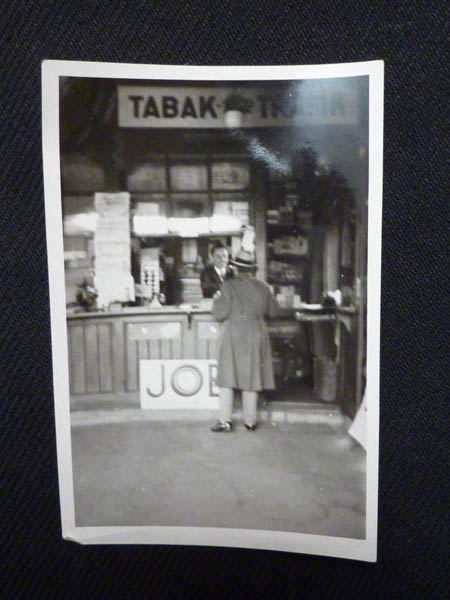
FB: Grandfather's tobacco shop. "As my grandfather was blinded in the war and he came back at the end of the war, he couldn’t work. And the Austrian government who had a monopoly in the tobacco industry, offered him a shop so that he could sell cigarettes, which he knew exactly where each packet was and my grandmother took the money and put it in the till. And this is a photograph of the little shop that he ran until 1938, when the Anschluss came. In Vienna. That’s all I know. Wouldn’t know which street."
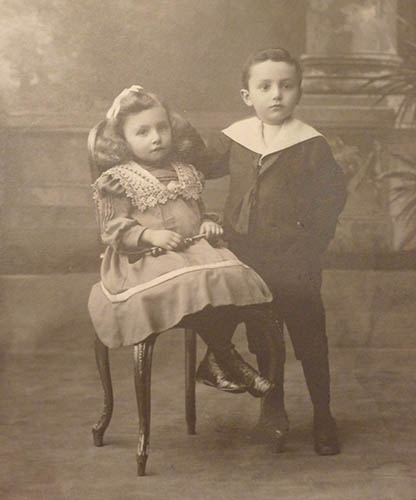
LK: Father Ernst Adler and his sister Julie, Vienna, ca1903
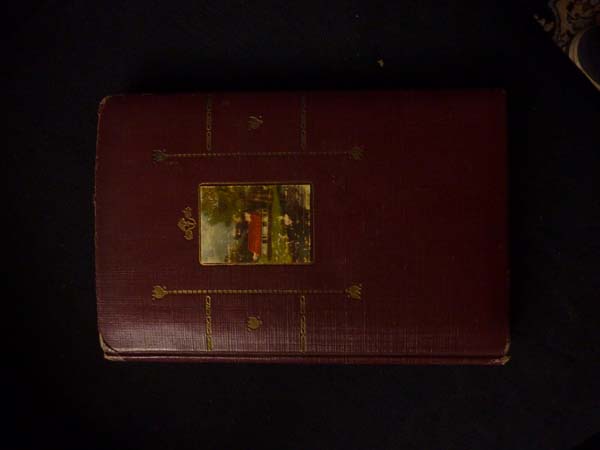
HP: Book containing messages and drawings from school friends in Vienna, pre-war
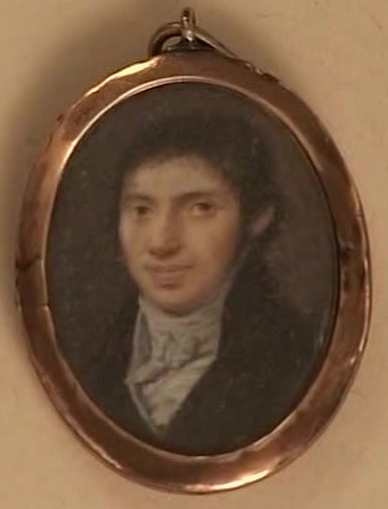
KH: Ancestor Michel Henriques, born in Glückstadt ca 1680, also known as Michel Hoffaktor, Michel Tabakspinner, Michel Glückstadt or Michel Portuguese. The back of the portrait contains a hair sample & some diamond splinters arranged in an H for Hinrichsen.
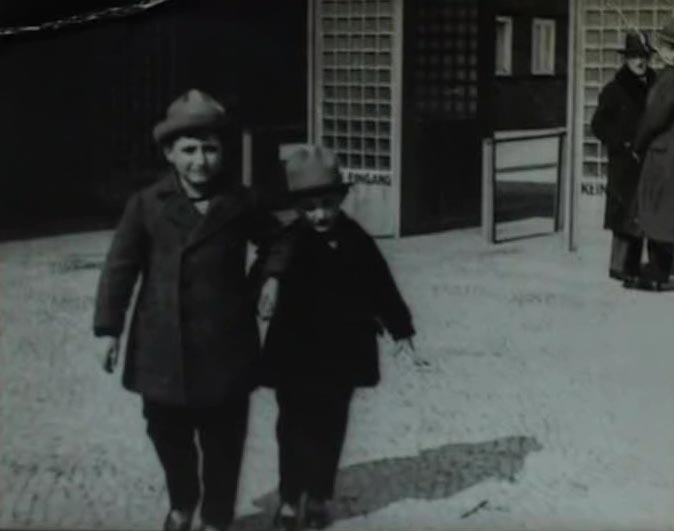
HG: Age ca. 4 years his older brother Rolf
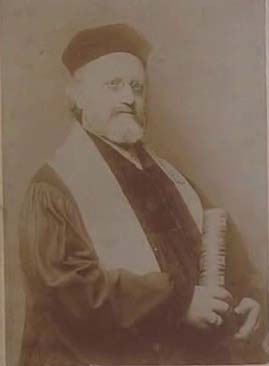
HS: Great grandfather Rabbi Moritz Rama at the 25th Anniversary of his office as Rabbi, Magdeburg. "But as far as I am concerned the interesting bit is the silver collar of the Tallit is now…, I have made it into a bookmark and it is now our memorial bookmark in the synagogue at Southgate."
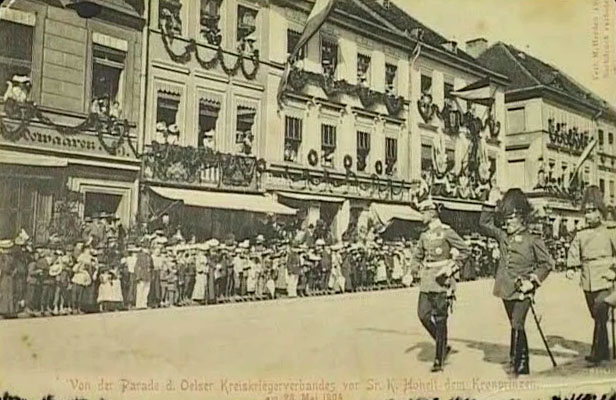
EK: The district military organization march, with the German Crown Prince, Öls, pre- First World War
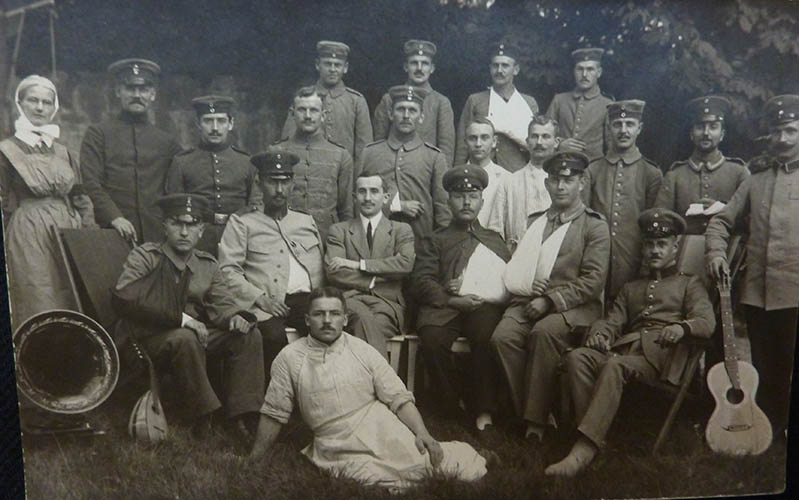
DH: Father during WW1 when he was a doctor at a military hospital, either in Germany or Austria, ca1915
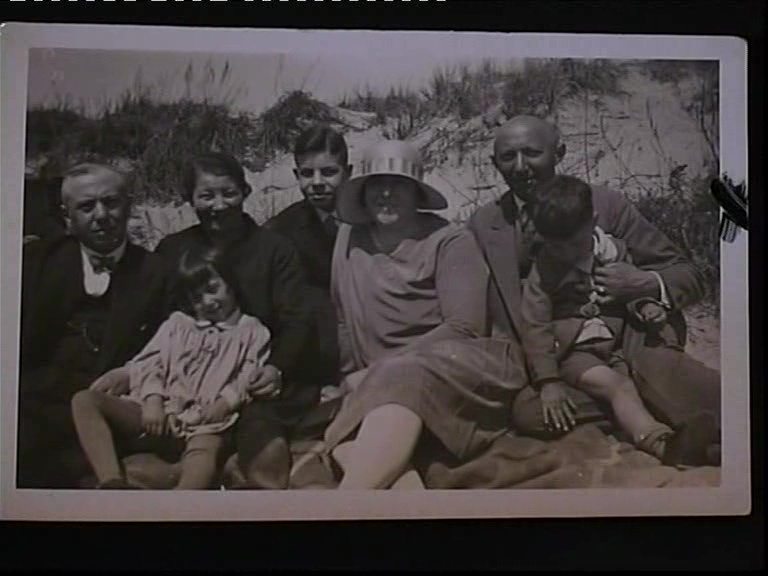
LB: With family, Baltic, 1929
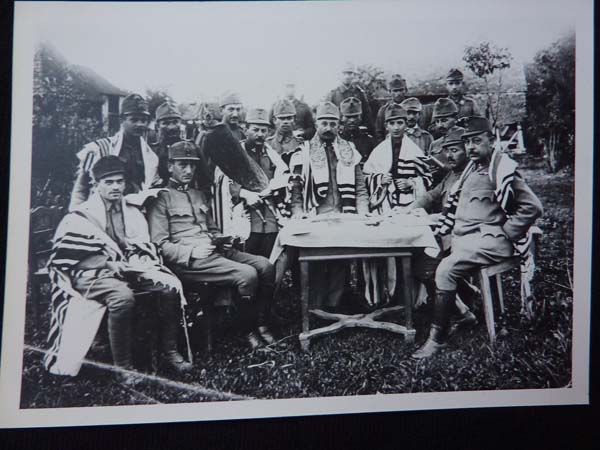
GD: Jewish Hungarian soldiers in WW1 celebrating Rosh Hashana, the Jewish New Year, in Sovata, Transylvania, 1916. George's father Gyula is 2nd left.
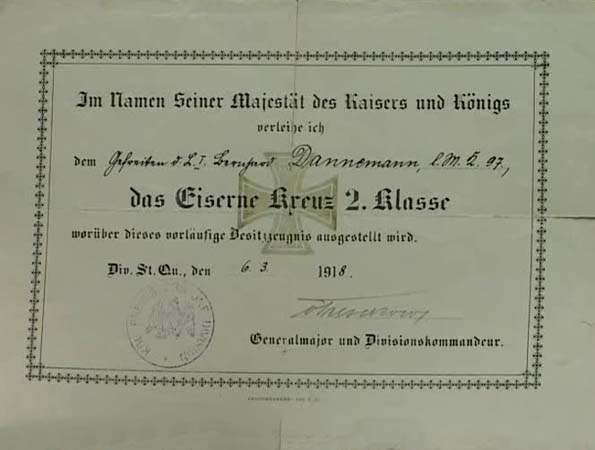
EK: Father's Iron Cross certificate
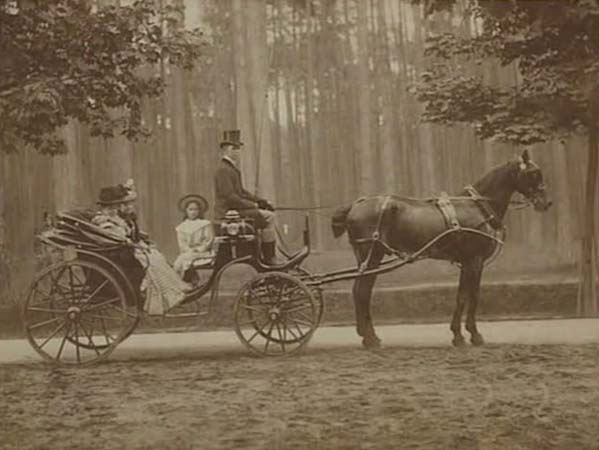
ML: Mother, grandmother and sister, near Hamburg, c1900
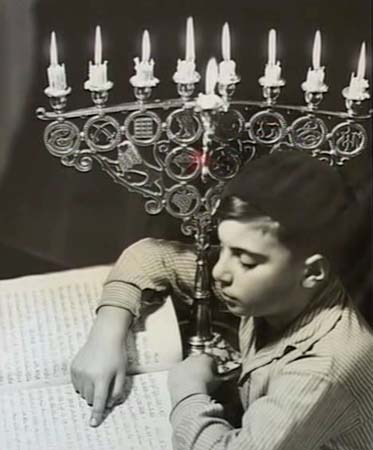
RM: Hanukkah, Berlin, 1934
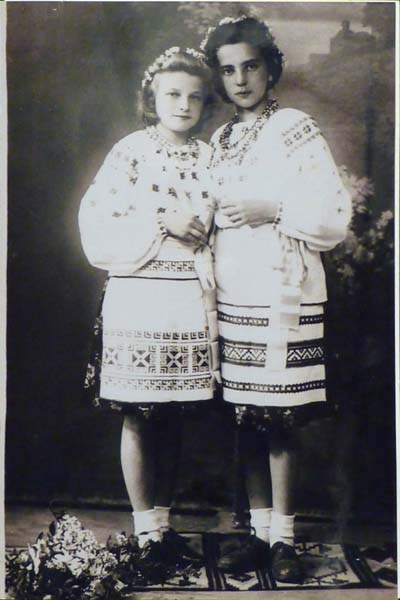
LP: With another Jewish girl wearing Ukrainian dress in the Ukrainian convent where they were both hiding. Lilli's blouse was made by her mother but embroidered by the Mother Superior. LvIv, 1944
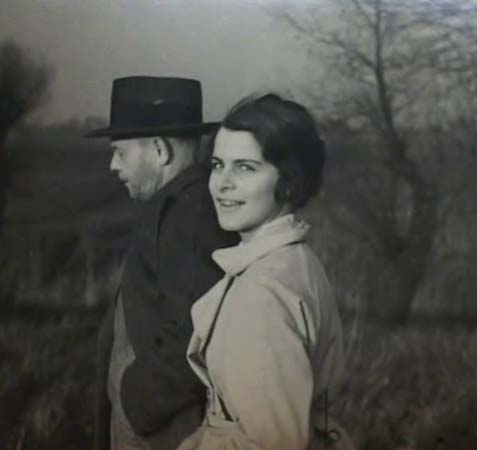
MC: Walking by Rhine with her father. "I loved those walks we used to do and I loved to walk there in rain and sunshine. I remember when I was very, very young child, seeing the Rhine frozen over with enormous ice blocks. It was very exciting. Later on of course I went there on a bicycle with my friends and we had a tremendous time by the river, where indeed when we walked along we often saw circus people practicing, wonderful. I had a great liking for little allotments which were of course on the country side of the riverbank, and it was wonderful to see all the cabbages and sunflowers and little gardens."
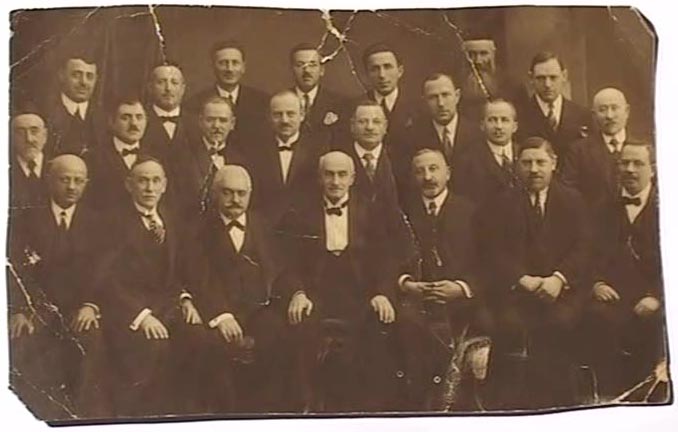
FB: The Kultusgemeinde, or the Committee of the Mizrachi, Vienna, pre-WW2
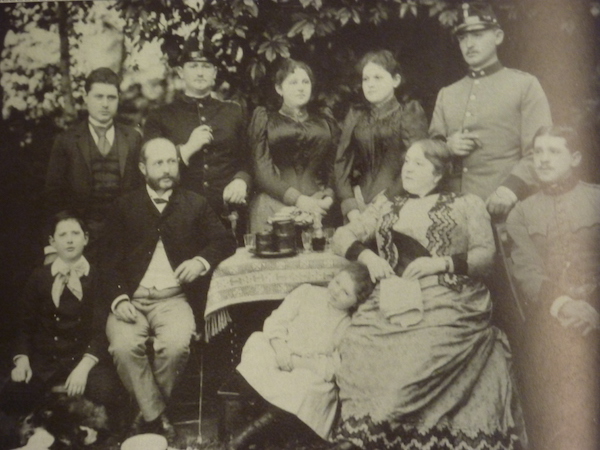
VM: Great grandmother’s family, the Thoms, Lemberg, Lvov. VM's grandmother Klara is the girl on the right in the back row next to her sister Dola. Sister Zinnia kneels at the front
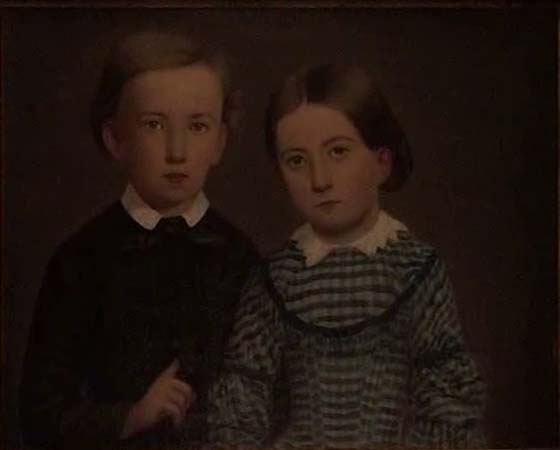
DB: Grandfather Eugen Märzbacher (age 6) and his sister Amalia (age 8), Munich, 1845
![KM: Carnival in Cologne ca1936. "These were my local friends. They were- none of them were Jewish, but one of them [second from the right] - a year or so later - became a member of the Hitler Youth. Then …I didn't exist anymore."](https://ajr.twoboysdev.co.uk/wp-content/uploads/2025/07/770eee_9fe447eac8334e549f7b90195d5fd040mv2.jpg)
KM: Carnival in Cologne ca1936. "These were my local friends. They were- none of them were Jewish, but one of them [second from the right] - a year or so later - became a member of the Hitler Youth. Then …I didn't exist anymore."
One uncle who was carrying on the business from my mother’s birthplace. They were looking after the land, dealing in cattle and he was a shochet. That was in Munzesheim by Bruchsal in the province of Baden. My family lived there for well over 400– possibly close on 500 years.
I used to love to go…It wasn’t every Sunday but most Sundays in the better weather from about March till September, October, Sunday morning my father took me to the Vienna woods and particularly one restaurant sitting on top of – now, where was it? You know my memory’s gone - the Klagenfurt, perhaps. No it wasn’t, just outside Vienna. I’ve forgotten the name. It’s right on top of a huge hill and I was always treated to a glass of sour milk. We got a tram to a certain point. It was out in the country already and it doesn’t exist anymore. I’ve tried desperately on my four visits to Vienna to find that tram and I never could find it. And then there was always a bus waiting at the end of the tram and that bus took us through the woods to the café, which does exist because on the last visit I visited the café and we had a glass of sour milk in summer.
We had good holidays, you know. The surroundings of Berlin are very beautiful, the lakes- Berlin is a very green city. It was. I don’t know how it is now, but it was a very green city. And we had a good life. We had visitors once a week and we were invited another weekend. And it was very, very normal.
I do remember my auntie’s house a bit, ’cos they had an old-fashioned coach in their garden, which I used to use as a play-room. The type of coach that the queen goes in. Well that’s what they used to use...before they had cars or vans.
My father played the violin and my mother played the piano. Because my father had a married sister in Vienna, my parents, as far as I remember, left about three or four times a year for about a week or ten days to go to Vienna to breathe in the culture there – the theatres, concerts…
[what helped RN to live with her experiences:]
To be better, to be good with people. Try to do my best to avoid that people become bad. I learnt that you should be good to each other. Give your best. To be helpful. That’s all what I think, you know. I always said the children – my wish was the children should have a better life than I had. They should have first of all the freedom, peace. Peace, always was for me the biggest thing. Peace and health, and that’s all what we say Shalom, and the health. That’s the biggest thing in life.
My father believe it or not was born in Auschwitz when it was a tiny little village known for its green background. That is probably why I like trees so much. And he was born in 1898 on the Jewish Easter, Pesach, so he was called Peisach Mendzigusrky.
Well my father always said that he fought for the Germans in the First World War. He couldn’t see that they would do that to him. Of course they did do it to him.
My father was very, very active in one of the biggest athletics clubs in Germany called the Sport Club Charlottenburg. I’ve been to visit them. They still remember him. He was the only ever Jewish President of that club. He organised the Potsdam-Berlin relay races in 1922. He wrote the history of the club.
My father had a shop not far from the centre and people used to bring watches. Or, even later a little bit, my brother used to travel around the villages around Worms. There was a system that you can pay the town clerk going with a bell around the village: ‘There is a watchmaker- If you have watches to repair, bring them to this and this restaurant.’ He used to collect them, take them home to my father- he used to repair the watches. My brother used to go back, give them back and collect the money. So he was repairing watches not only for Worms. It was for the whole area.
My father was one of the agents for bananas from Jamaica and from Africa. He imported them and they arrived, green, on long branches. My my father sort of invented ripening warehouses. We had such a ripening place not far from where we lived. Sometimes big spiders arrived and we had to call in the authorities, they had to first examine them and then destroy them.
My memories of Halle are… very small, and very fleeting. I remember going with my grandfather to a farm in order to get milk, because he was very, very observant of kashrut and the milk that you would buy locally was not suitable. I remember going with him when I was about four. I remember when my mother’s younger sister got married in Leipzig because I must have been about three. I was a flower girl. She got home, got married in this big apartment. I was throwing flowers along the way. I think, looking back on what happened, what must have stayed in the back of my mind was the Nazis everywhere…which I think greatly, hugely, hugely frightened me. Because, oh, and I do remember also going on a picnic by the river and lying in the grass looking at the trees with the sky. All beautiful, as you can see, happy, sylvan memories. And then I remember leaving Germany, in 1939. We flew out. And I remember looking down from the plane at the rows of the houses below. And that, on one hand, are basically my memories of Germany.
In 1925 …I was very much already interested in the arts generally, in theatre, which was very cheap. The Düsseldorf Schauspielhaus under Dumont was quite outstanding. We had perhaps the best performance of Goethe’s Faust. Technically it was ahead of its time; people came from Berlin to visit it. As far as museums were concerned, modern German Expressionism was very much to the fore. Life was between ‘24 and ‘28 easy, and enjoyable, and fruitful and productive in every respect.
Oh, and one memory is [clears throat] somehow, in a room, which must have been underground because there were no [unintelligible] windows and my grandmother sitting at a sewing machine. And I imagine she was preparing stuff for us to take with us. She was a wonderful seamstress and made a knitting and sewing clothes and so on. And she was at the machine. I was peering, and she said, "Be careful. This is a very sharp needle, be careful." And of course, being a child I had to try and the needle pricked my finger. I do remember that, but otherwise, I have no memories of Berlin. That's all.
Visiting my grandma, Oma Kuttner, was always a joy. She would entertain us with her piano playing and make the most wonderful meals. What stands out for me was the cheese blintzes she made – very difficult to do. Apparently you make them in the frying pan and then you bake them. So they’re sort of twice cooked. Very labour intensive, but for her family this was not too much trouble.
[Pre-war years] With the non-Jewish children? Fantastic. We had… First of all, my brothers and myself, we used to play football. Very good in football. And in the area where we used to live, we had a little group. We were the main players in the group. All my brothers. Very good. One of my brothers later became an international Israeli football player.
My father’s view was that there would be a Polish Jewish community and Jews have got to be engaged in it. He had been an officer in the Austro-Hungarian Army. He then became an officer in the Polish Army reserve out of belief that Jews cannot achieve full citizenship rights if they did not take part in the defence of the country. That was a very important thing to him.
The place I was born was very small, almost like a kibbutz, there were 35 inhabitants and they were all Jewish. The only non-Jewish person was the one who looked after the flock. Everybody was issued with a plot of land, because there was plenty of land in Poland, not inhabited. All the inhabitants of that place were farmers. My father acted as the Rabbi there and, he was the shochet [kosher butcher].
I was fascinated by the theatre and music. In Karlsruhe, the opera. As a matter of fact my parents weren’t allowed to know that I went to the opera. But I loved it so much, so I had somebody took me and I had to use excuses, sometime: ‘Where have you been so late at night?’
King Edward the 8th came to visit Zinner [the shop where LP modelled lingerie] and of course we were all stunned when we saw him. He was very charming. And he bought beautiful nightdresses - they were very, very expensive, and we thought, well, he must have somebody there to buy that for! And we were all staring at him, because they were with handwork and pure silk – they were really absolutely exquisite. And he bought quite a bit there. When I modelled lingerie, I didn’t have to undress, you always had a dressing gown around and you just opened the dressing gown. But it was quite something.
In Paks…all children learned some kind of instrument and playing sports. This was very broad-minded, sort of orthodox in a proper sense. You had to be. You lived in a small town with all our Christian neighbours. We were like sister, brothers, we just accepted each other. It was very peaceful. I can only remember nice things for upbringing and non-Jewish neighbours.
My blind aunt had a very good education. She was looked after. And through her they used to get tickets for the Vienna Opera. And she used to take a companion. Not only tickets, she used to get boxes. Free. And the first opera I took her to - I may only have been 12 - was Aida. I was amazed. My brothers also used to take her. We couldn’t have managed to go by ourselves. That was our musical education.
In Hockenheim there were just under 30 souls left, when I sort of grew up. The rabbi who looked after us came from Heidelberg and before my Bar Mitzvah, they used to take the Sefer Torah out of the ark. The rabbi said, ‘We’ll put the little Sefer Torah in the corner and call it minyan man!’ We did things like that. Maybe not exactly to the law and the rules, but this is how we did things.
I’m old enough to have been in the German Youth Movement - the Deutscher Republikanischer Pfadfinderbund. You would call that Boy Scouts, if you like, loyally Republican. In some youth movements, Jews were not desired; in others there was no problem. In the Deutscher Republikanischer Pfadfinderbund every third member must have been Jewish, very strong.
My uncle in Téglás had a beautiful winery. And he had an orchard with fruit. We had a horse and cart and went to take all the grapes and put it in the pressure. And he had a cellar and we put all the wine there. In the summer - it was fantastic.
I was always very popular at school, had lots of friends, who were all non-Jewish of course. We had our secret hideout and the roads in the suburbs were reasonably wide. There was very little traffic. If you saw a motor car once every twenty minutes, that was an event. And because we all had bicycles, we bicycled around in perfect safety. We played robbers and police, on bicycles. But our main activity really was playing football in the streets. And we often broke the neighbours’ windows, for which we used to get a good hiding from our parents because they had to pay for the repair. We also did a lot of scrumping. These houses had lots of fruit trees. It was fantastic.