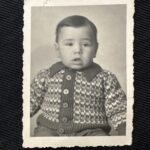
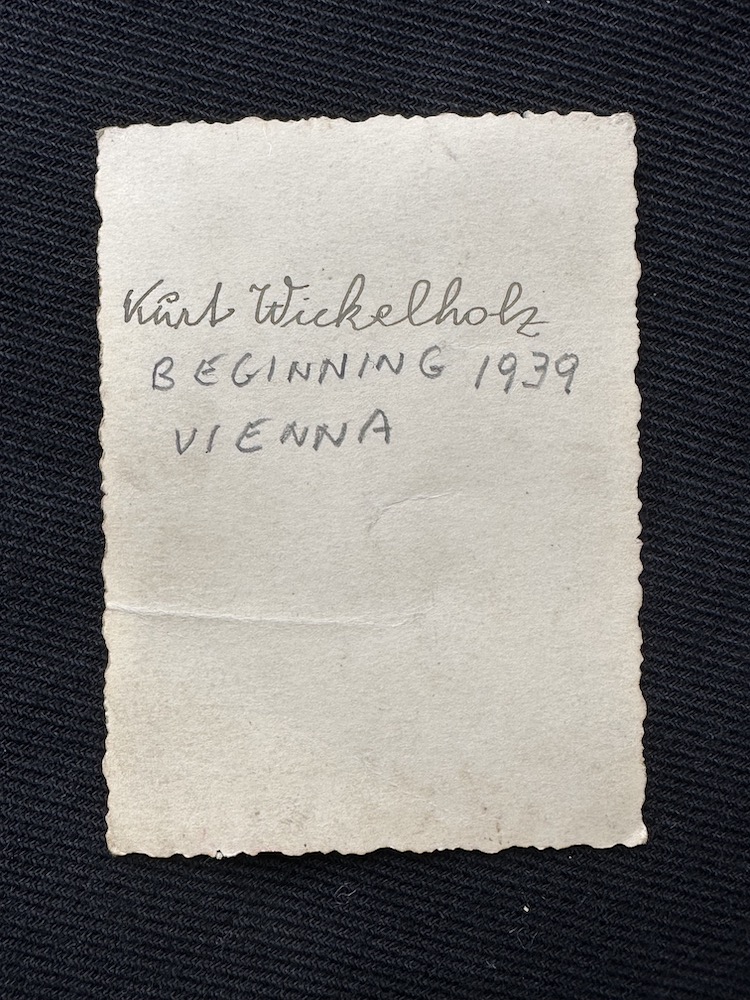
Kurt Wick: inscription on the back of the photo of Kurt aged one year old
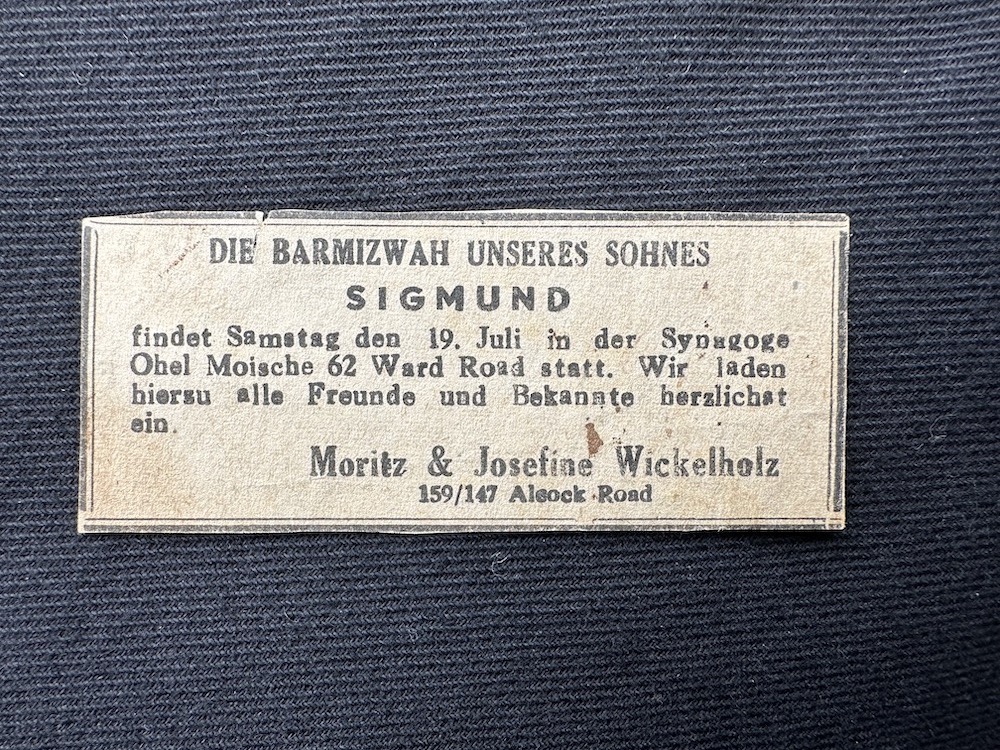
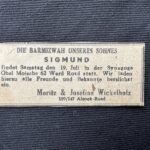
Kurt Wick: Announcement of Kurt's brother's
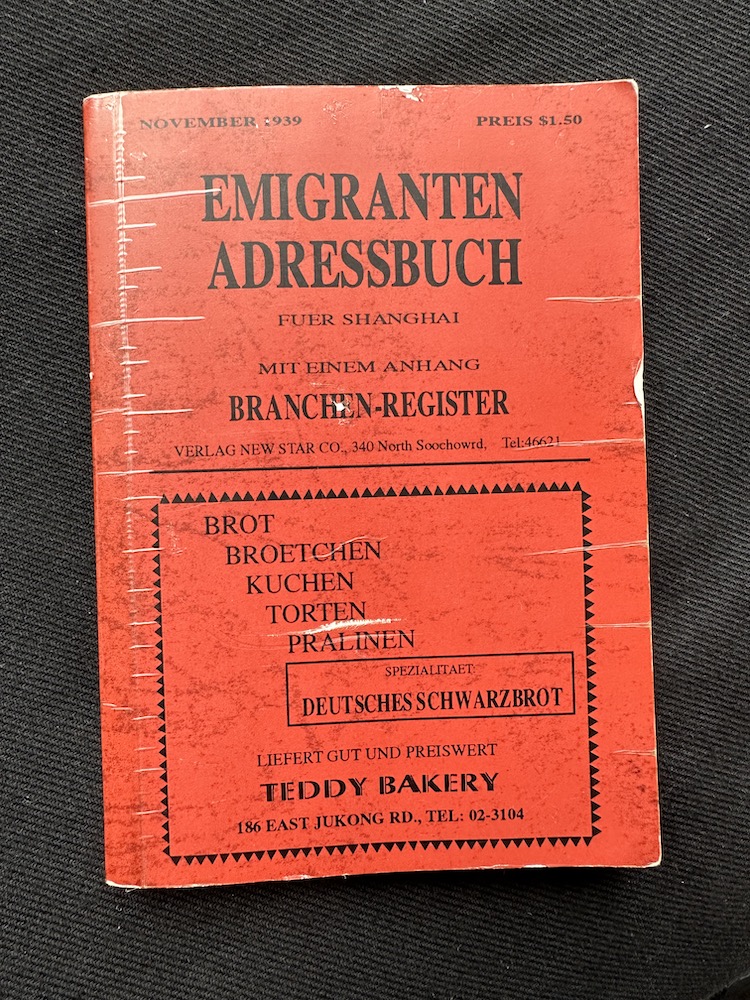
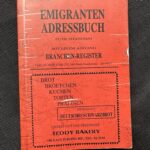
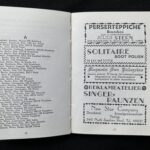
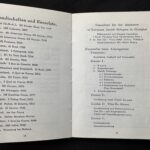
Kurt Wick: "Address book of the immigrants to Shanghai from Austria and Germany"
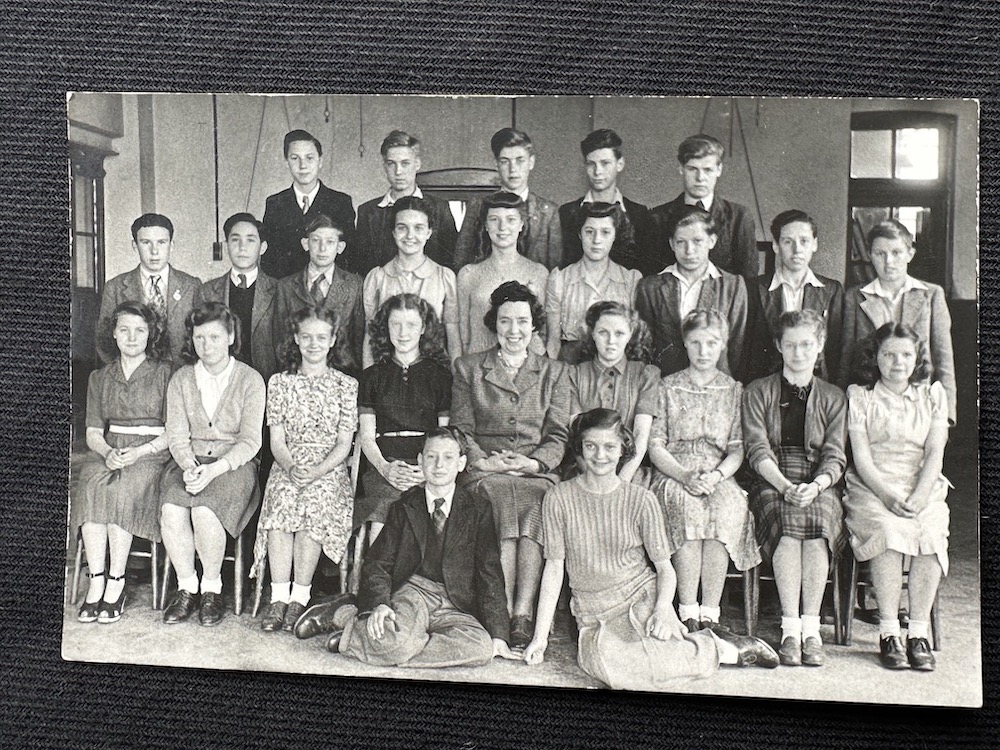
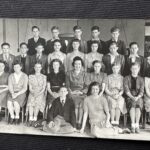
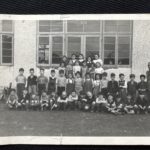
Kurt Wick: Kurt's brother's class at Kadoorie School
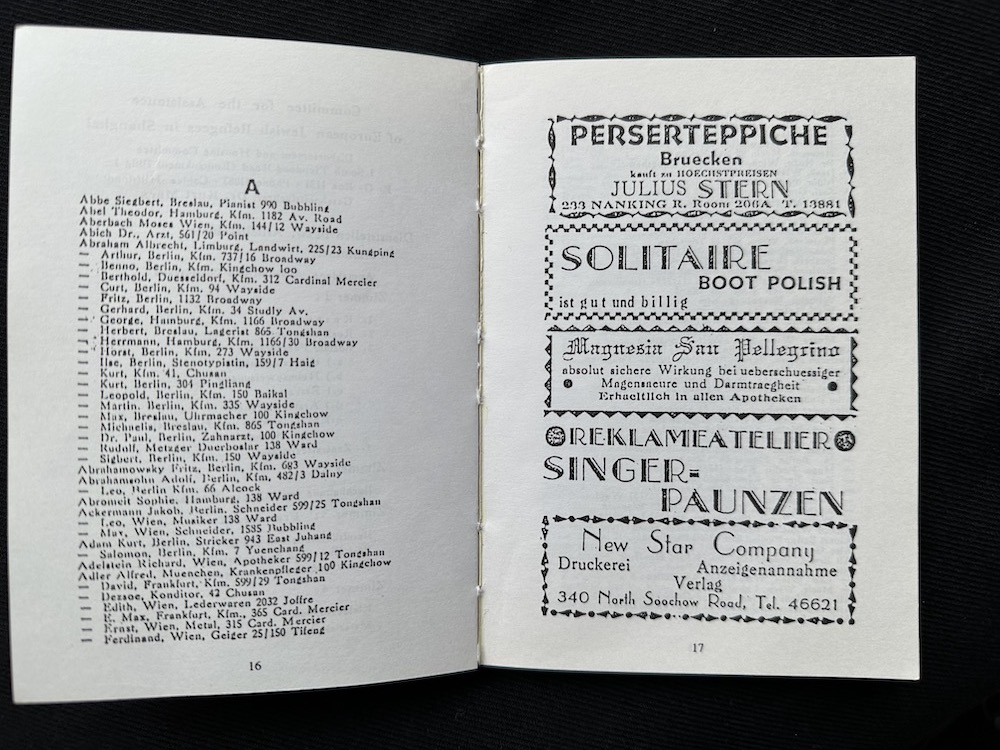
Kurt Wick: "Address book of the immigrants to Shanghai from Austria and Germany"
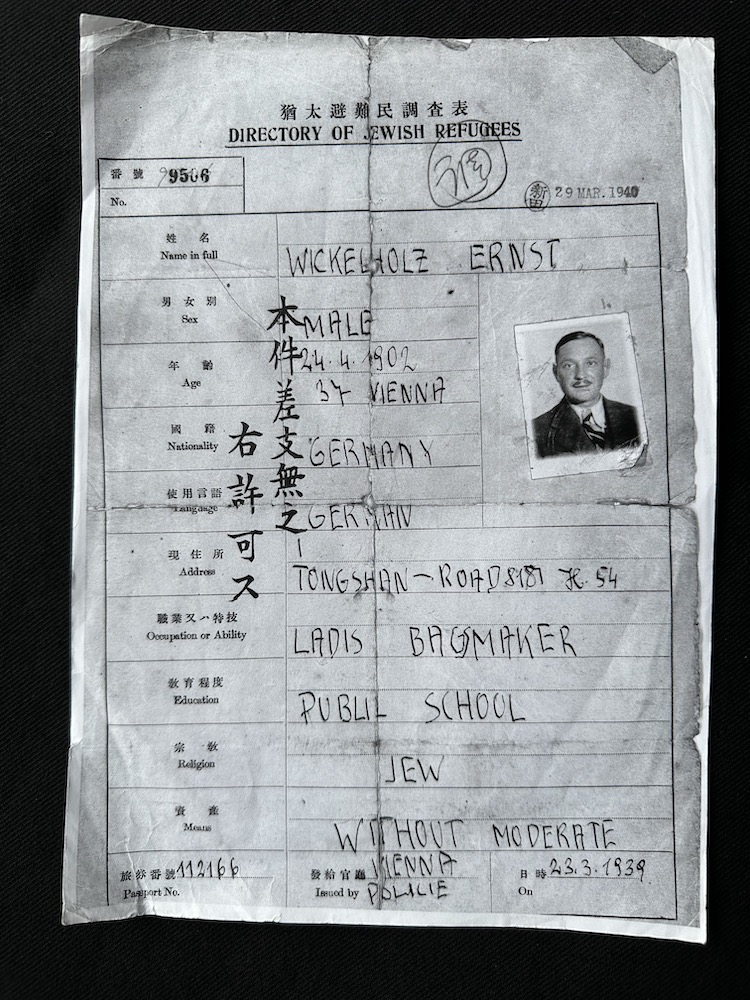
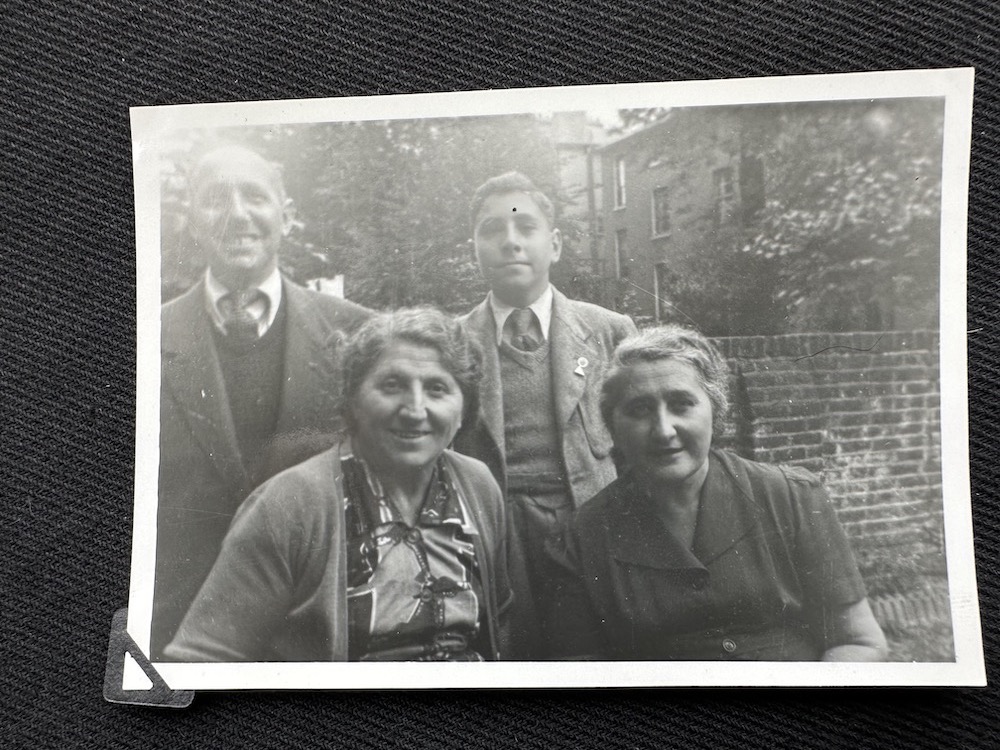
Kurt Wick: Photo of Kurt's Uncle Ernst who came with them from Vienna to Shanghai in 1939 and who made handbags with Kurt's father
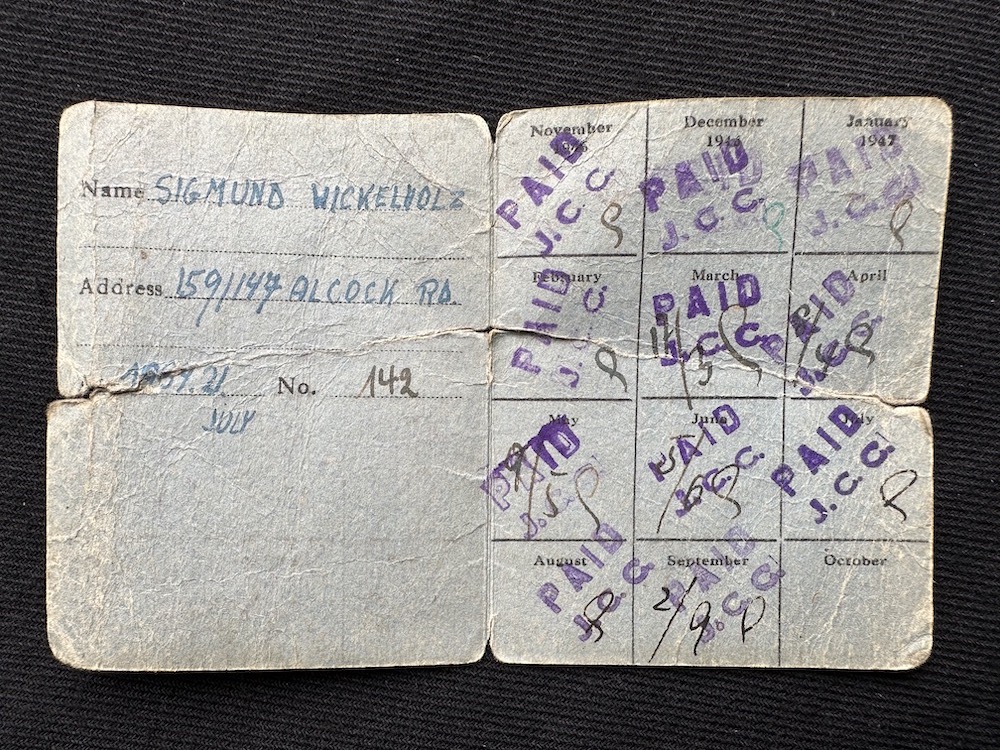
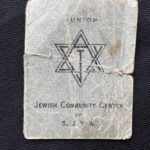
Kurt Wick: Kurt's brother's Jewish Youth Association membership card
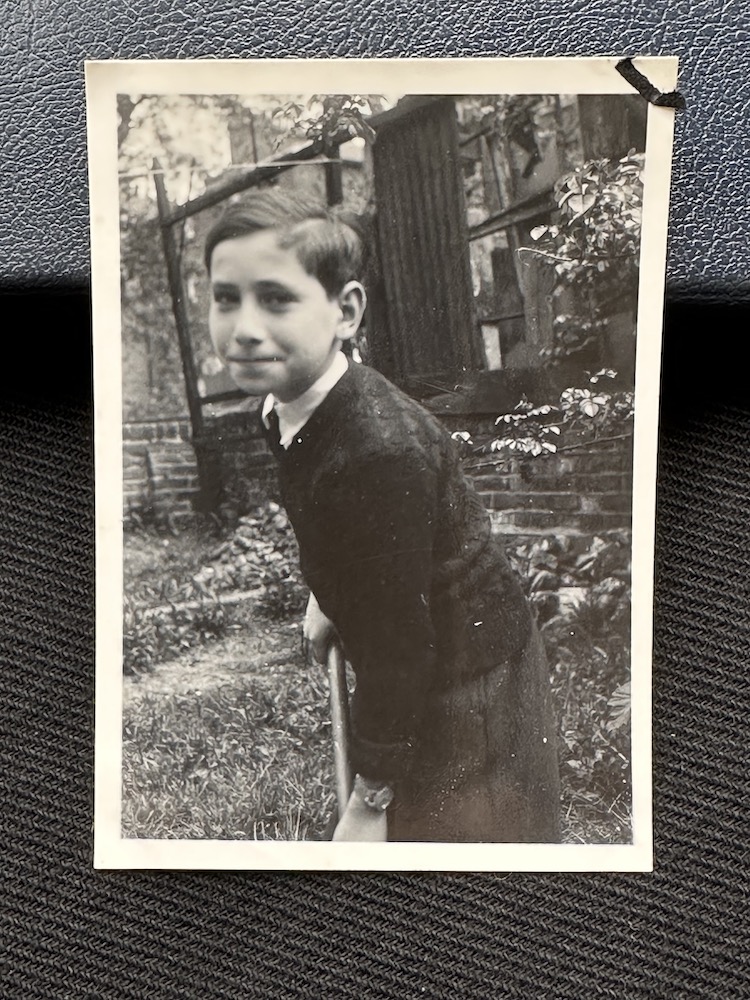
Kurt Wick: Kurt gardening in their garden in West Hampstead
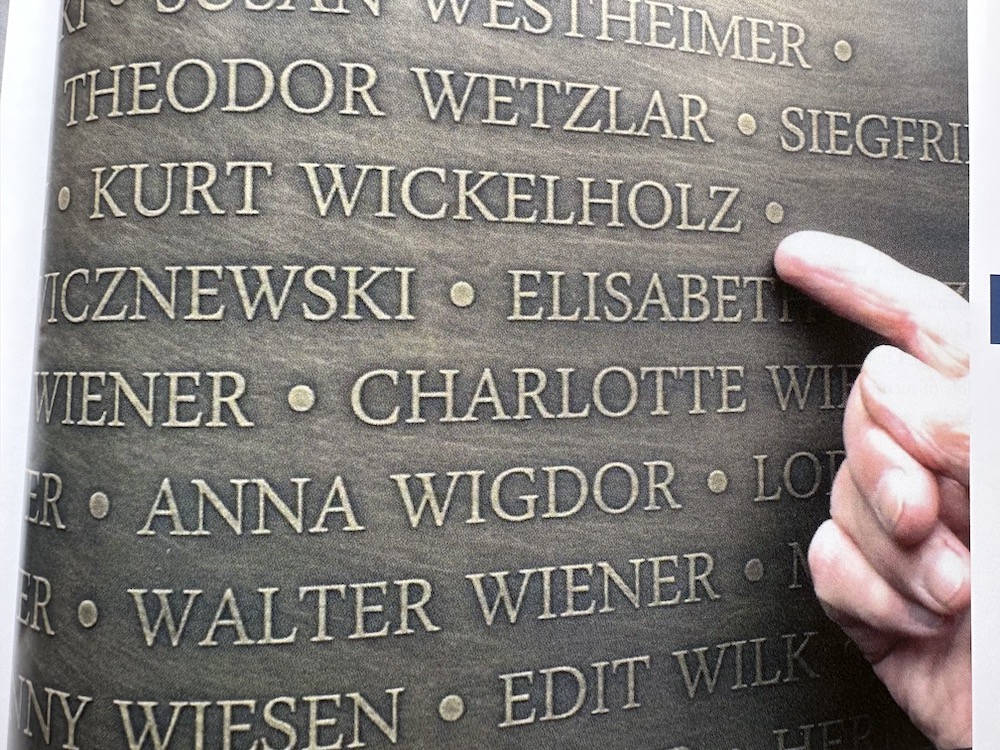
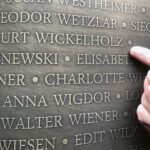
Kurt Wick: Kurt's name on a wall among the names of 20
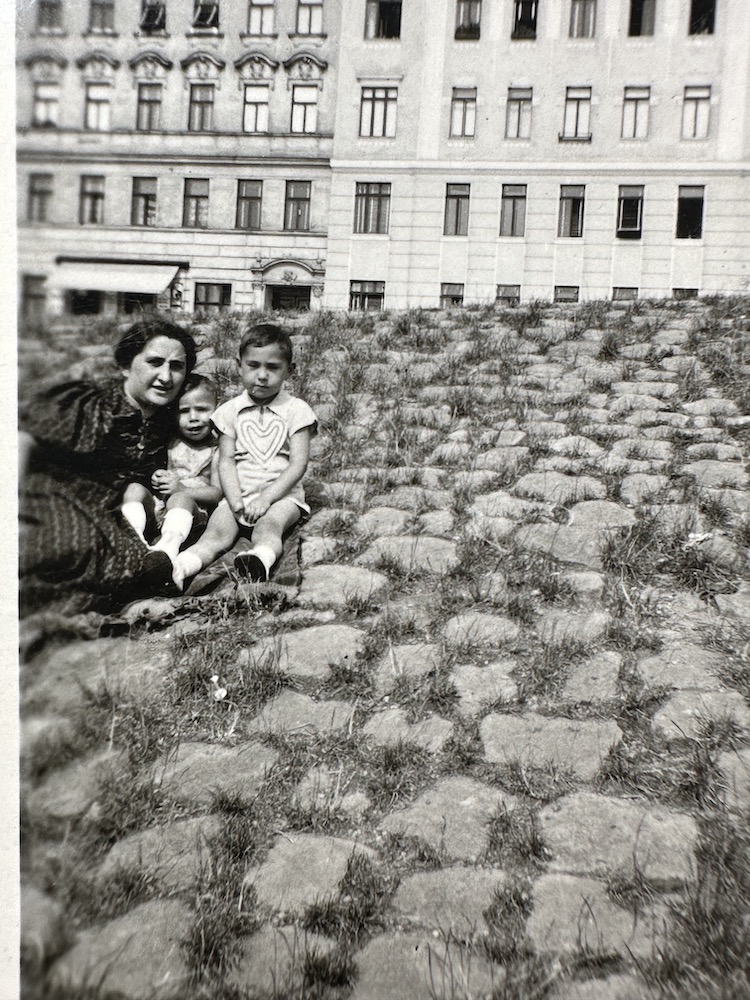
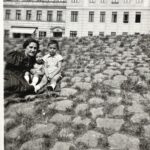
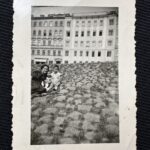
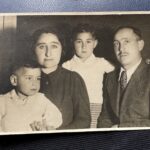
Kurt Wick: Kurt with his mother and older brother in 1938 on the banks of the Danube
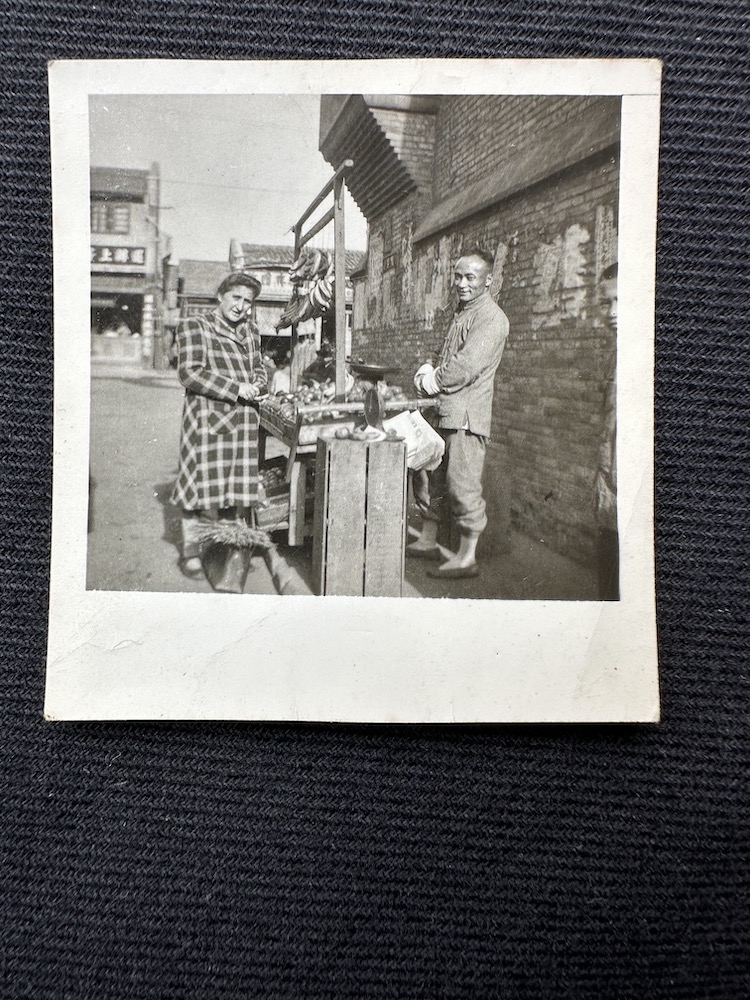
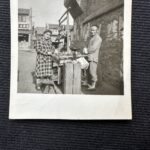
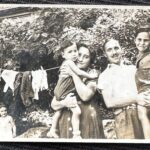
Kurt Wick: Kurt's mother buying food from a vendor on Shu Xiang Road
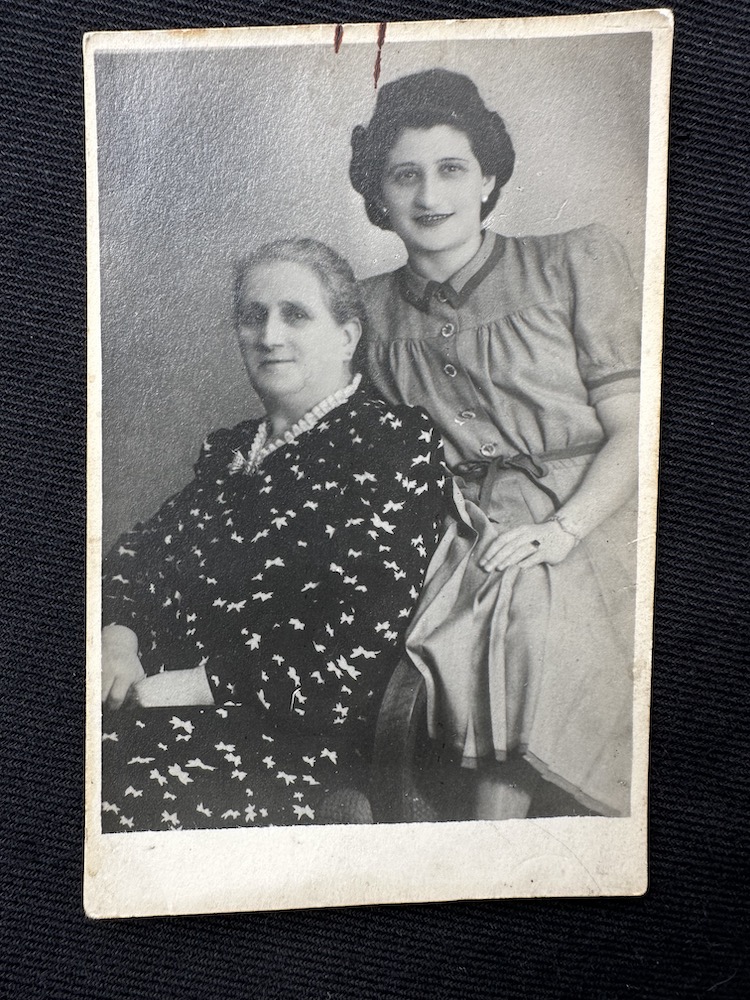
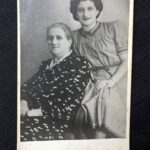
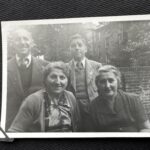
Kurt Wick: Maternal grandmother and aunt who were left behind in Vienna and died in a concentration camp in 1943
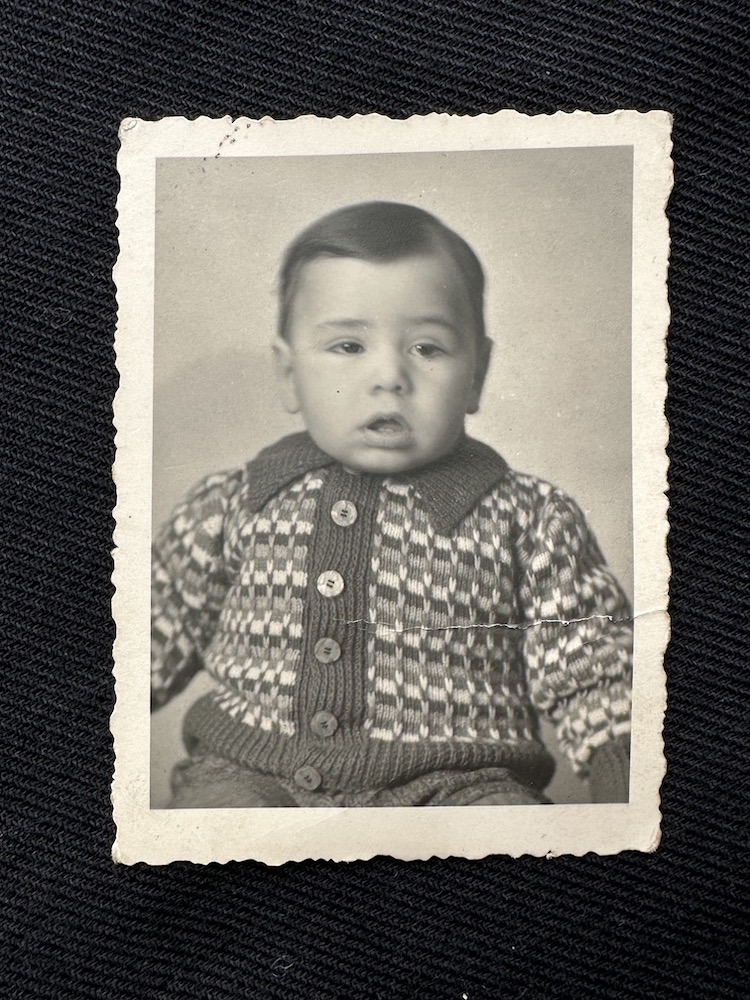
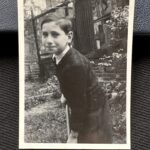
Kurt Wick: Kurt aged one year in 1939
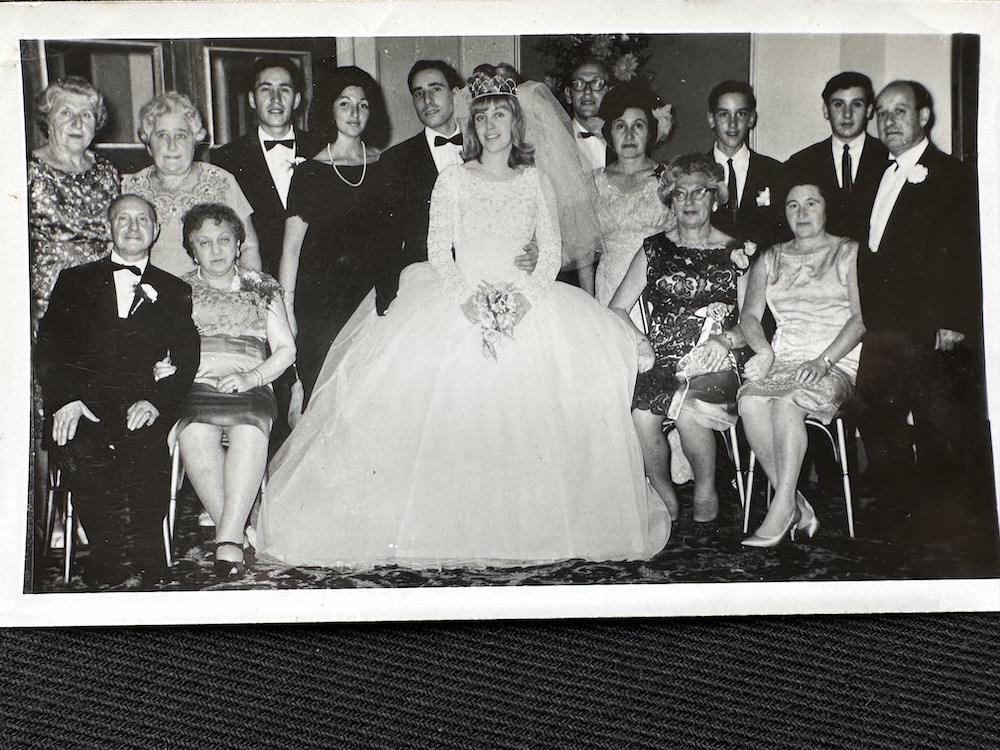
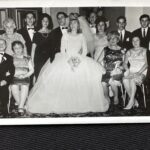
Kurt Wick: Kurt and his wife Carol on their wedding day
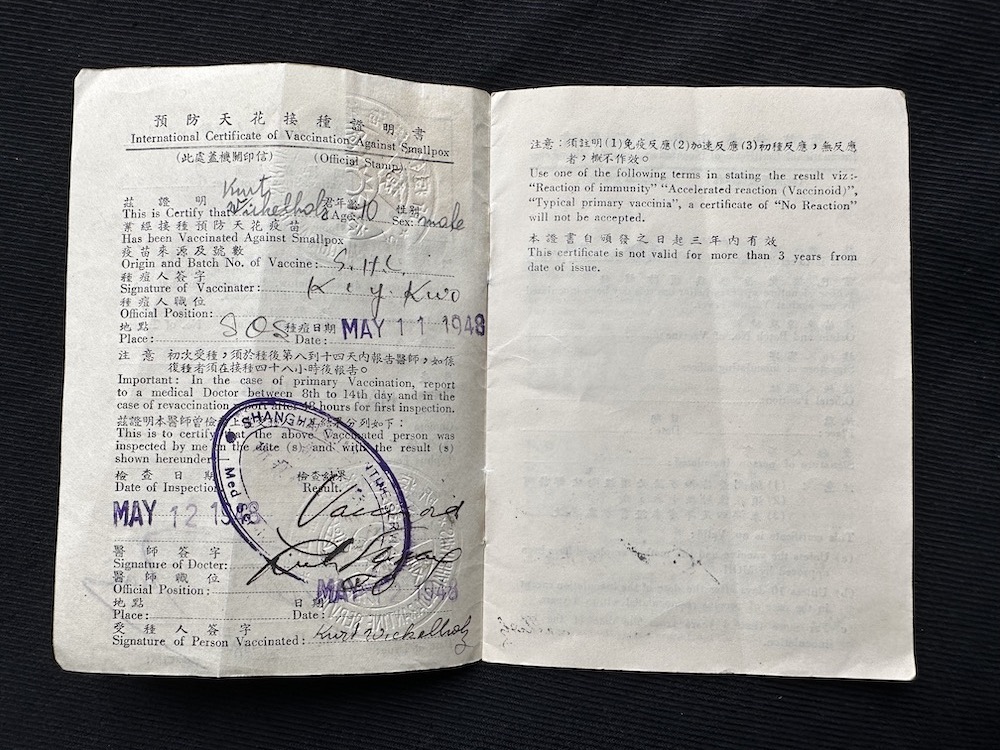
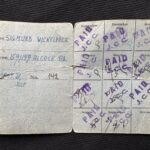
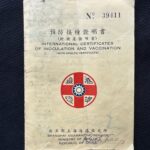
Kurt Wick: Kurt's booklet ofinoculation and vaccination
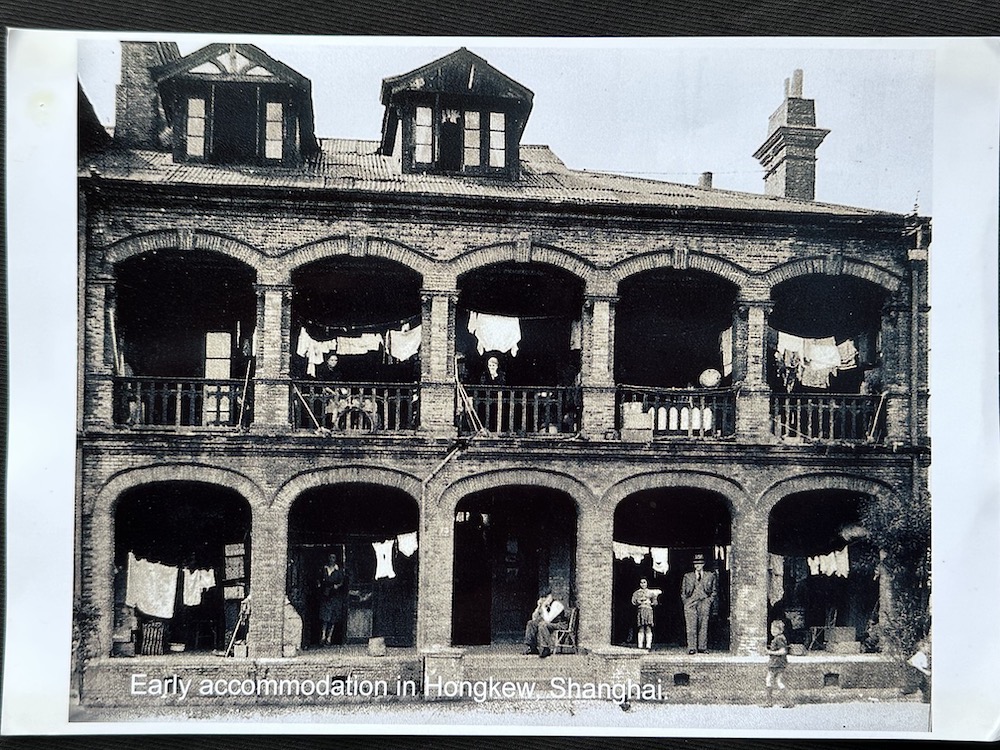
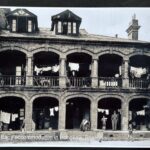
Kurt Wick: Photo of "Heim" in Shanghai provided by the Sephardic Jewish community for the Jewish refugees from Europe
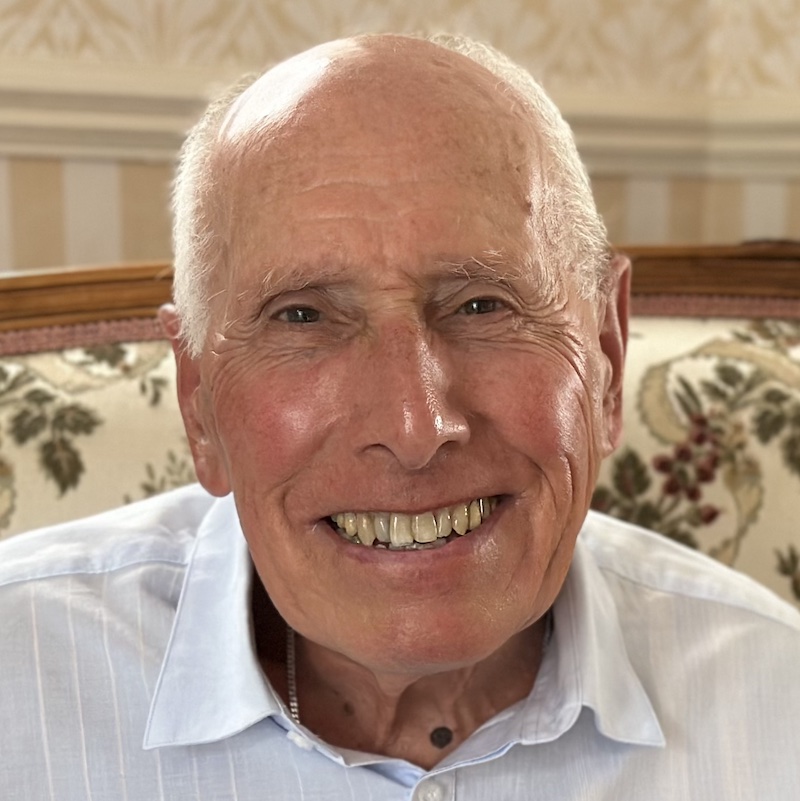
Kurt Wick: 2023
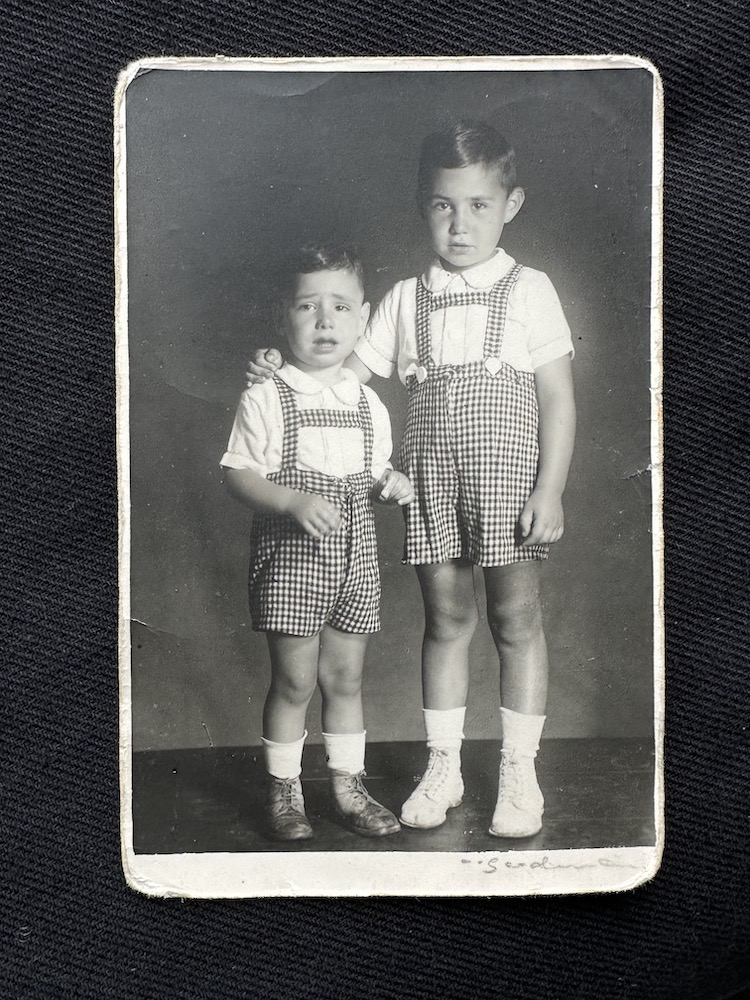
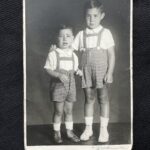
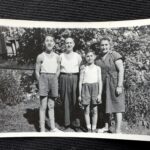
Kurt Wick: Kurt and his brother with matching trousers brought from Vienna
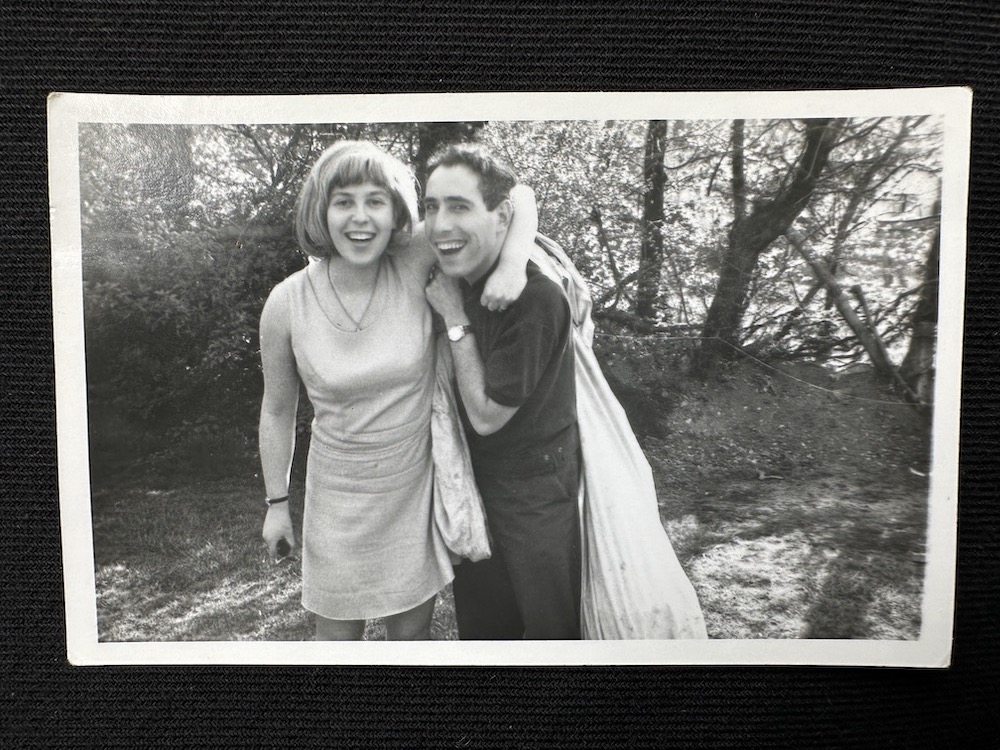
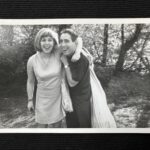
Kurt Wick: Kurt with his future wife
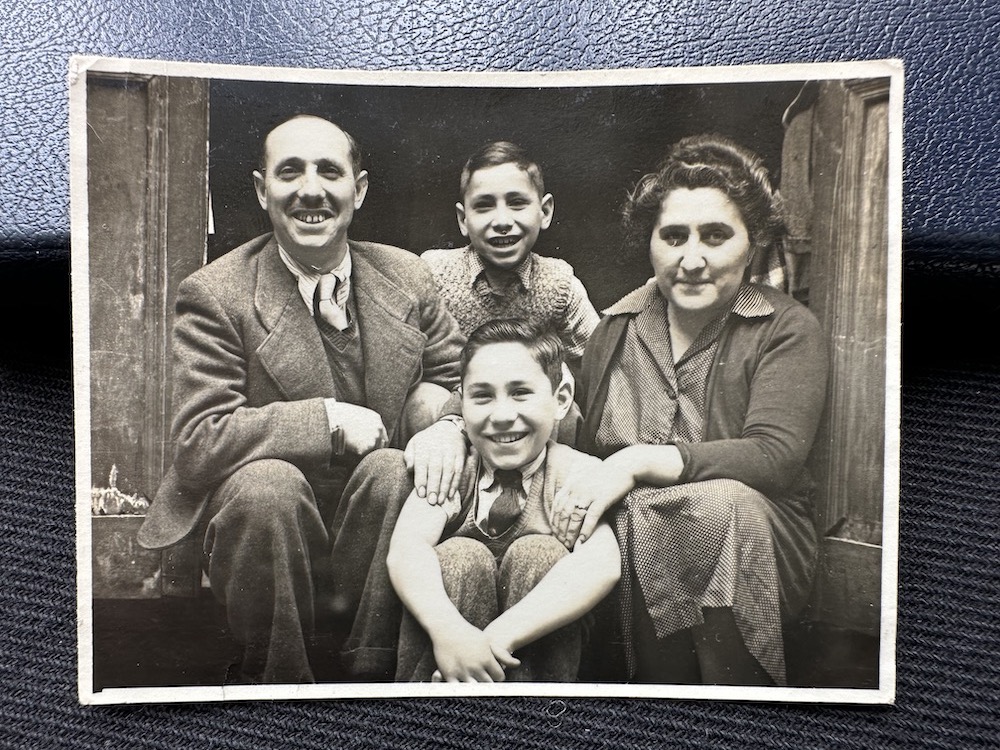
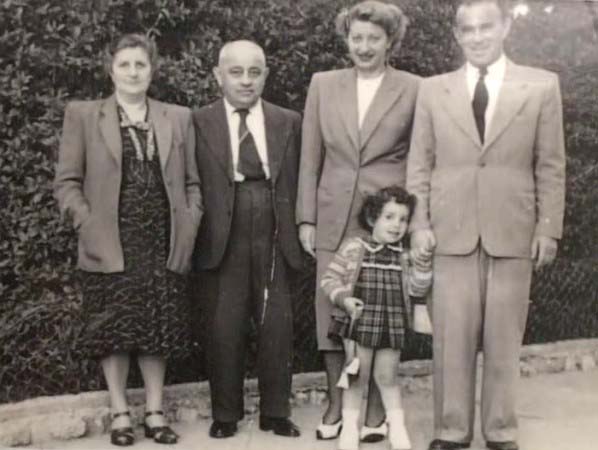
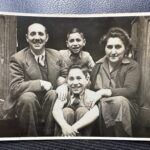
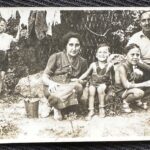
Kurt Wick: Kurt aged ten years old with his family in Shanghai
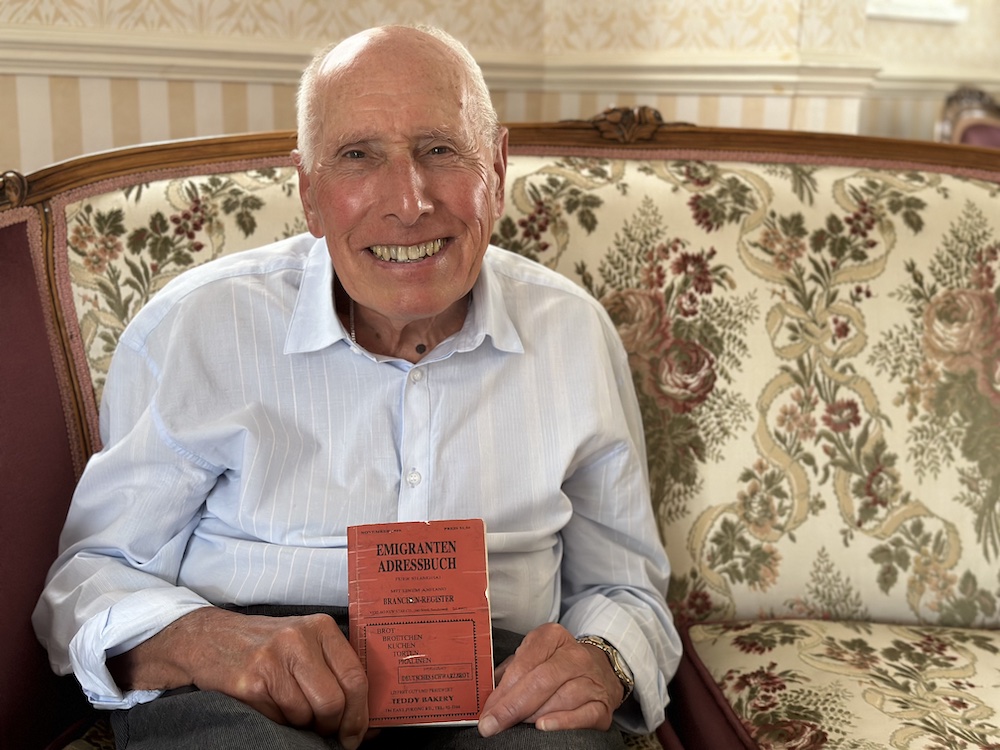
Kurt Wick: 2023
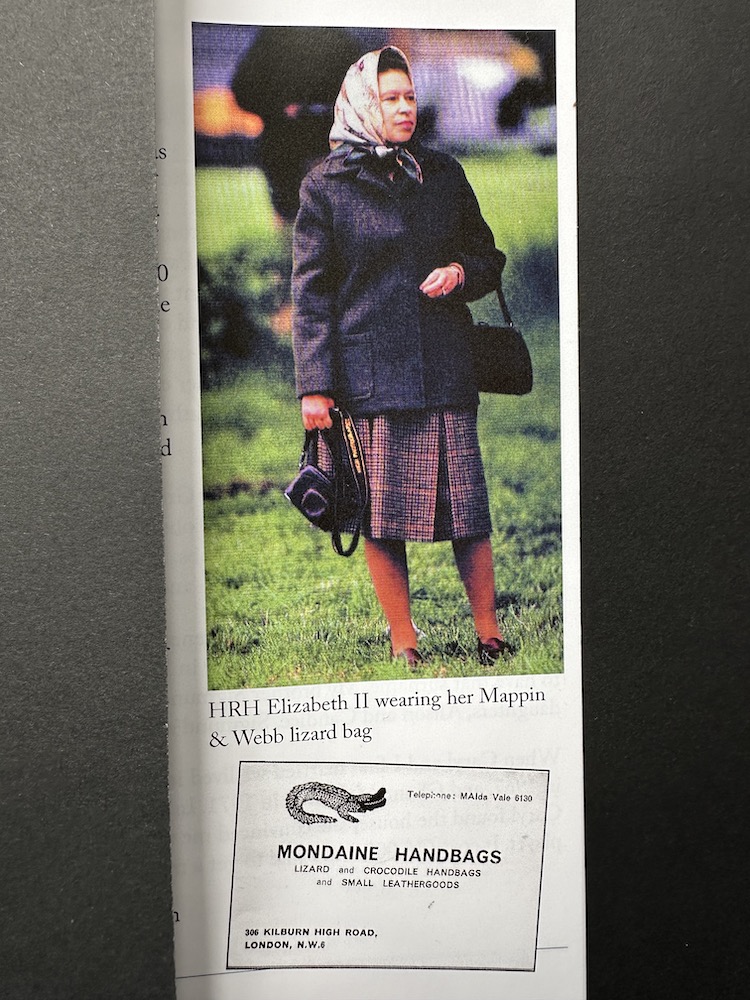
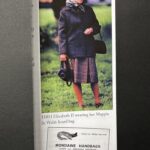
Kurt Wick: The Queen of England with a handbag from Mondaine handbags
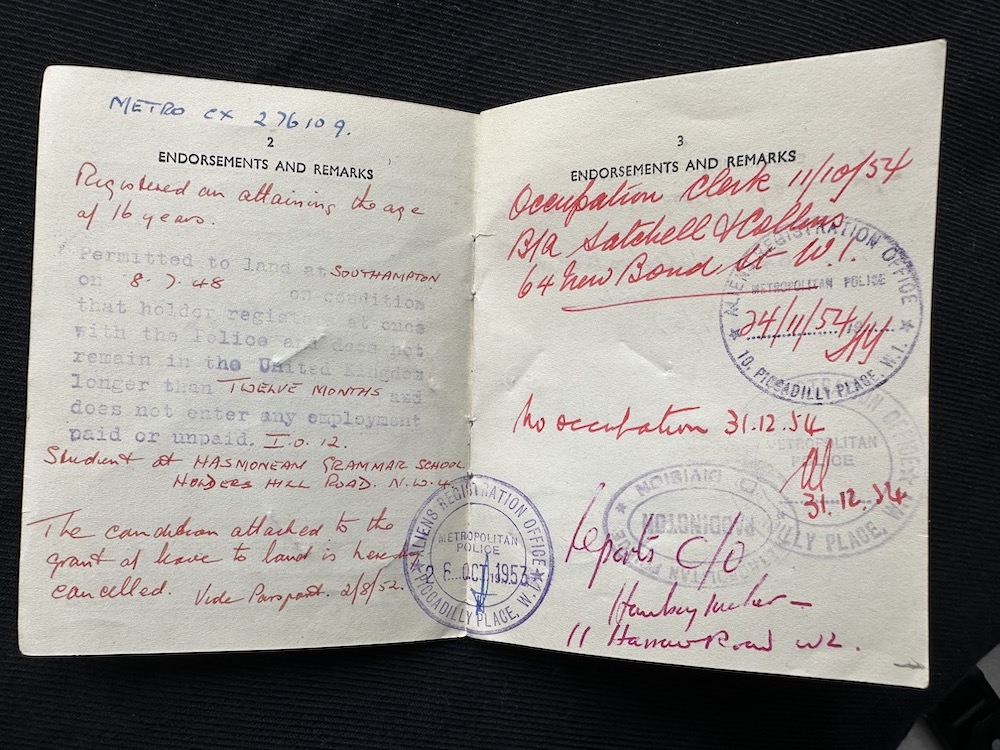
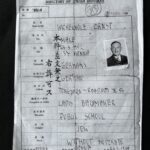
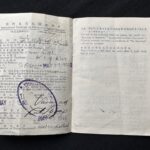
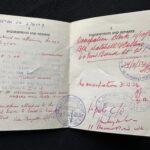
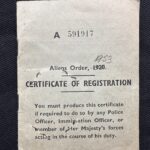
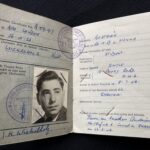
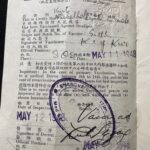
Kurt Wick: Certificate of registration as an alien on arrival in England in 1948
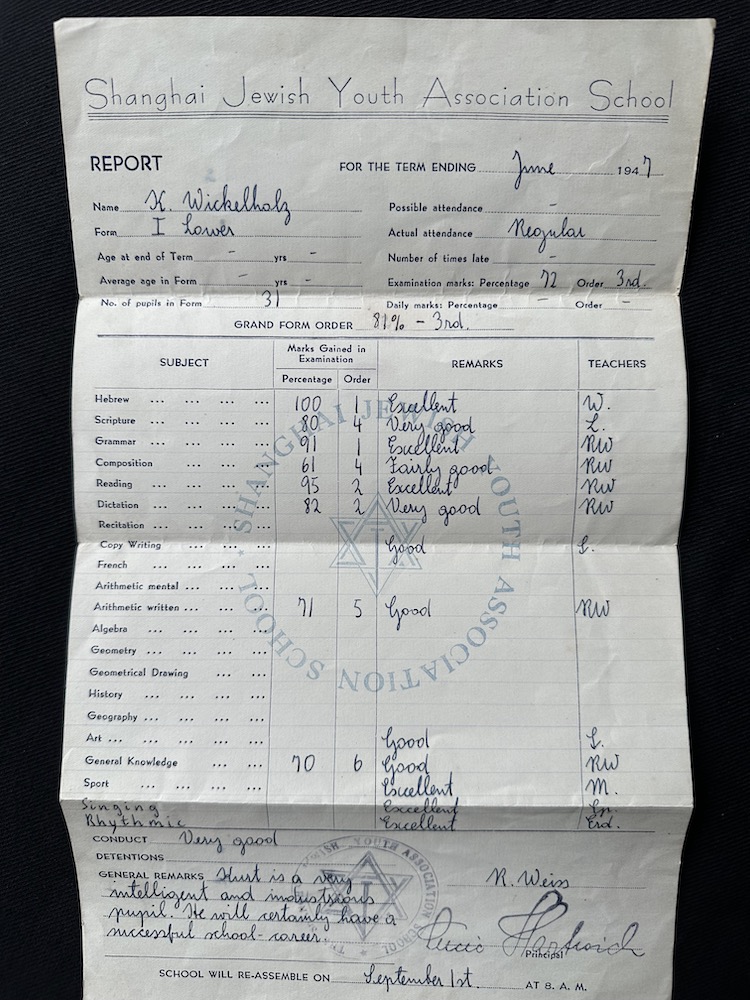
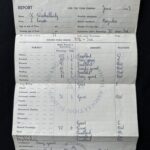
Kurt Wick: Kurt's school report from the Shanghai Jewish Youth Association School
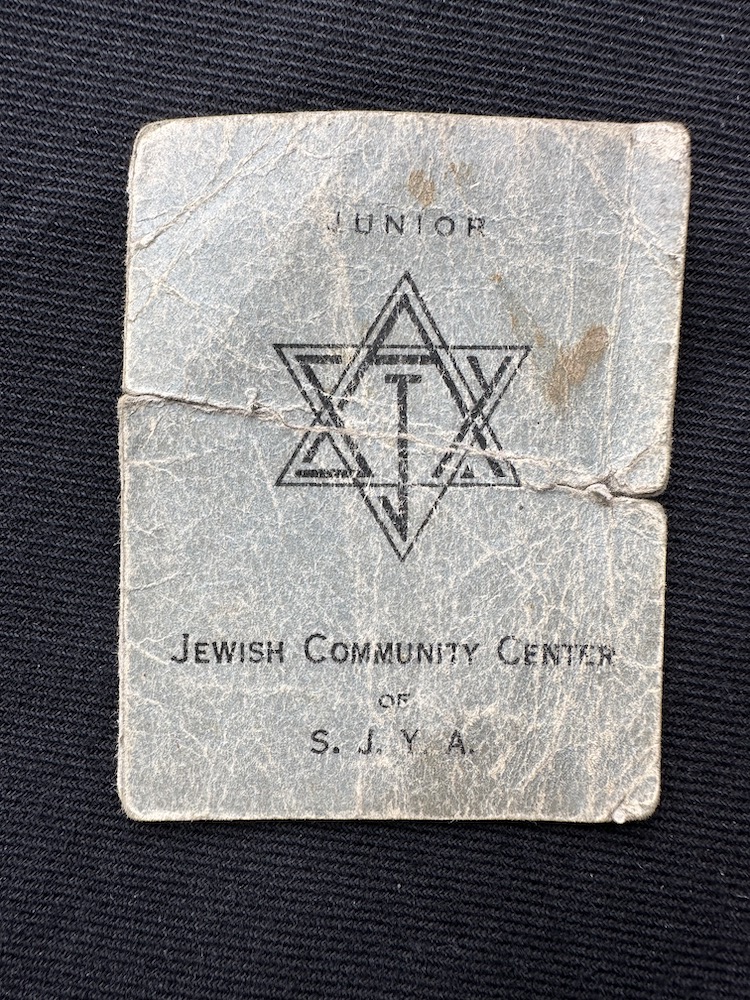
Kurt Wick: Kurt's brother's Jewish Youth Association membership card
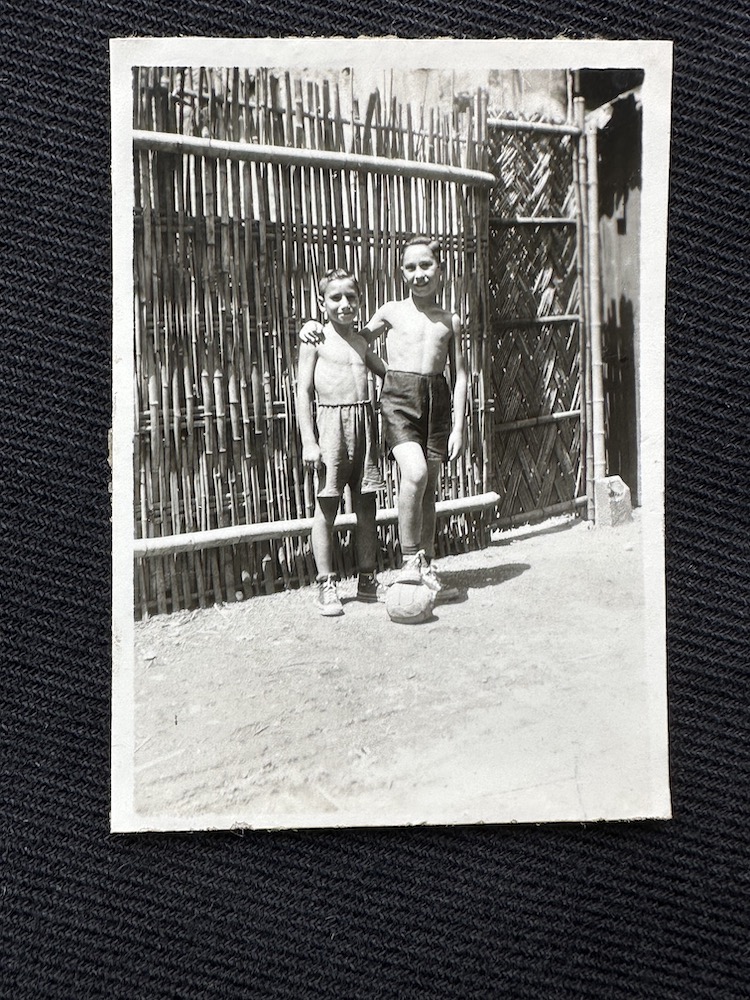
Kurt Wick: Kurt with his brother in Shanghai
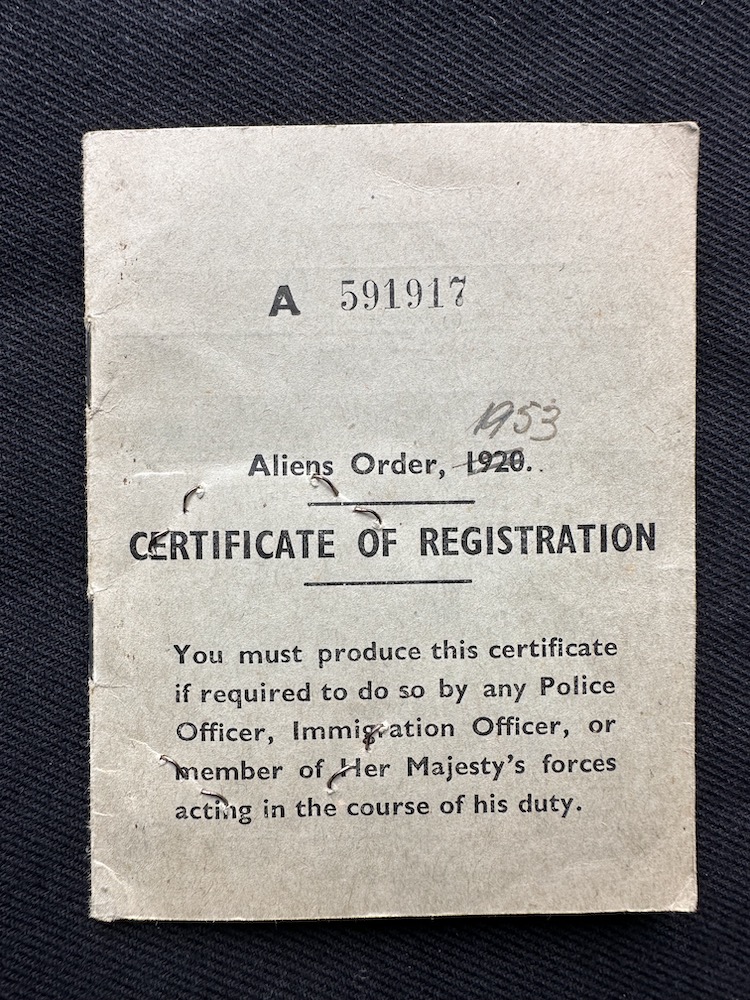
Kurt Wick: Certificate of registration as an alien on arrival in England in 1948
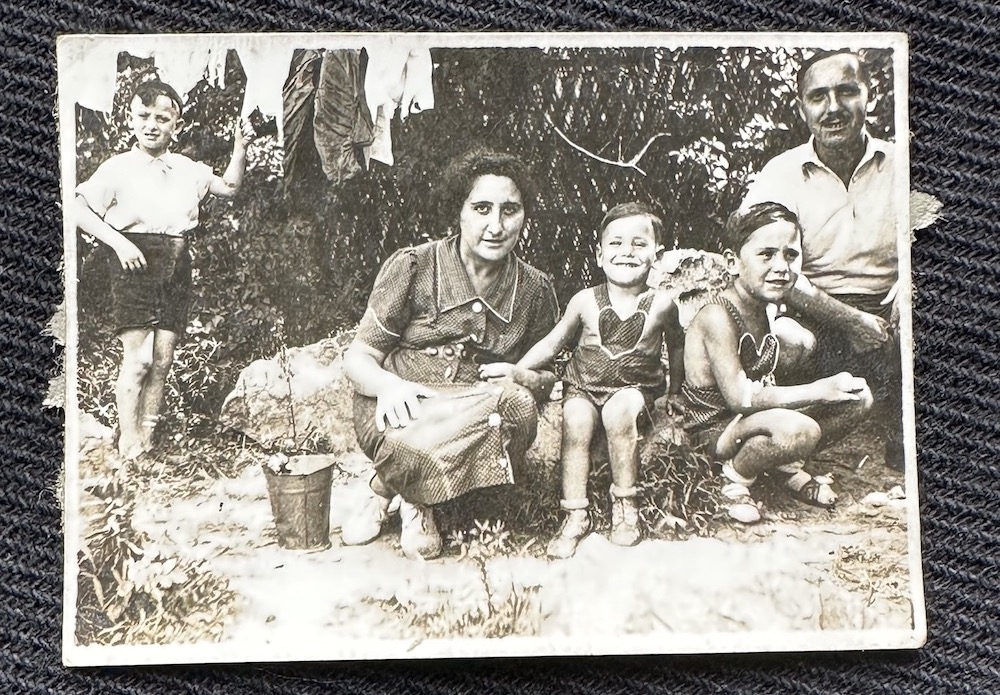
Kurt Wick: Kurt with his family in the garden of the "Heime complex"
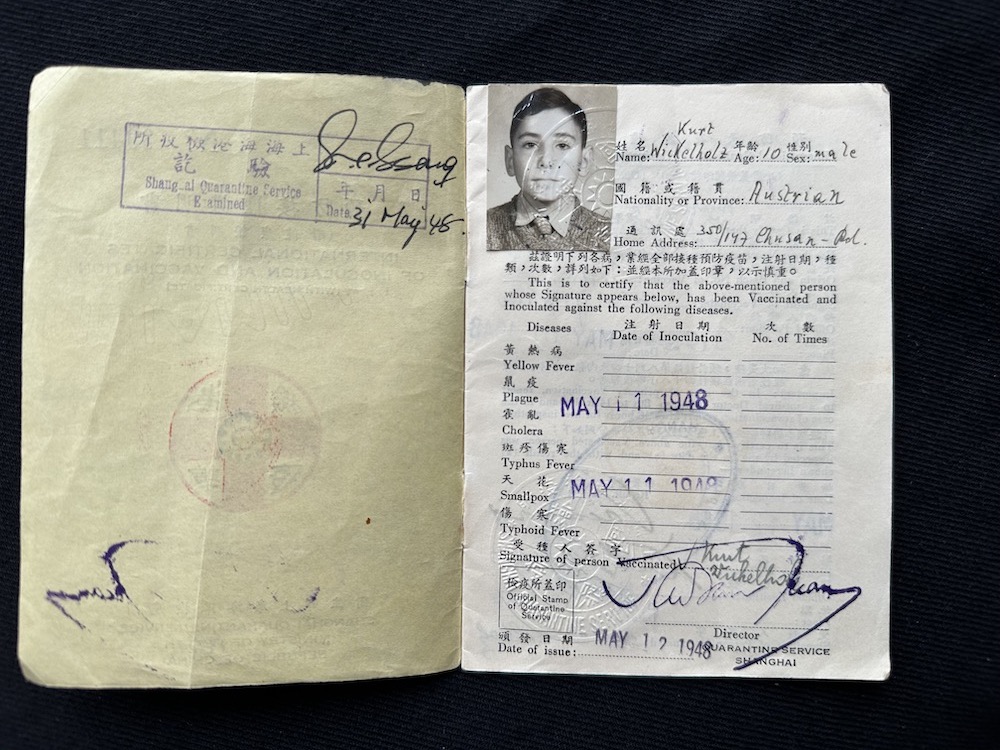
Kurt Wick: Kurt's booklet of inoculation and vaccination
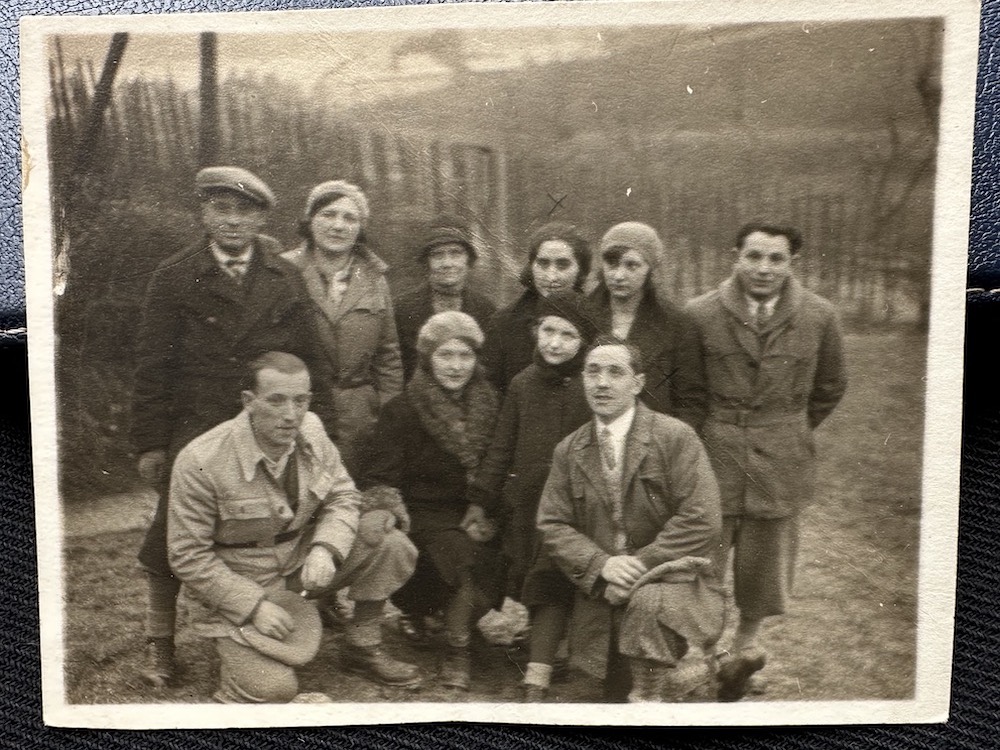
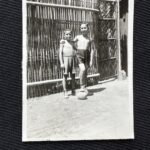
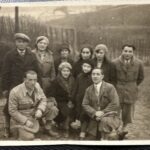
Kurt Wick: Kurt's parents on an outing with friends
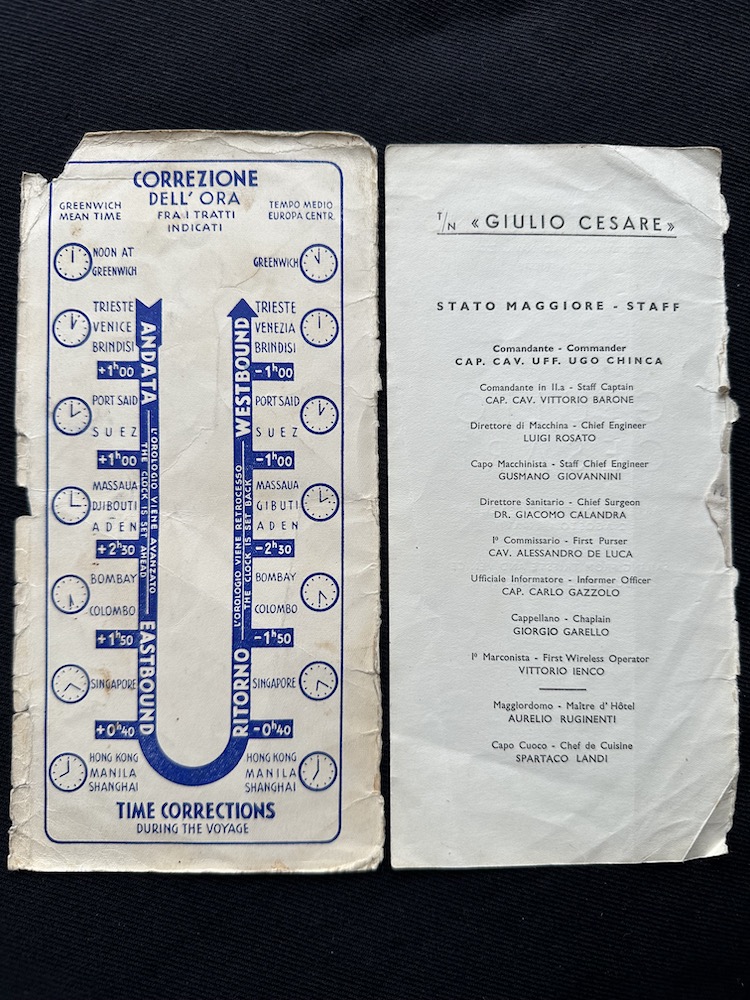
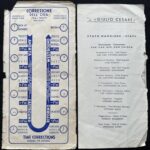
Kurt Wick: Route the ship Giulio Cesare took from Trieste to Shanghai
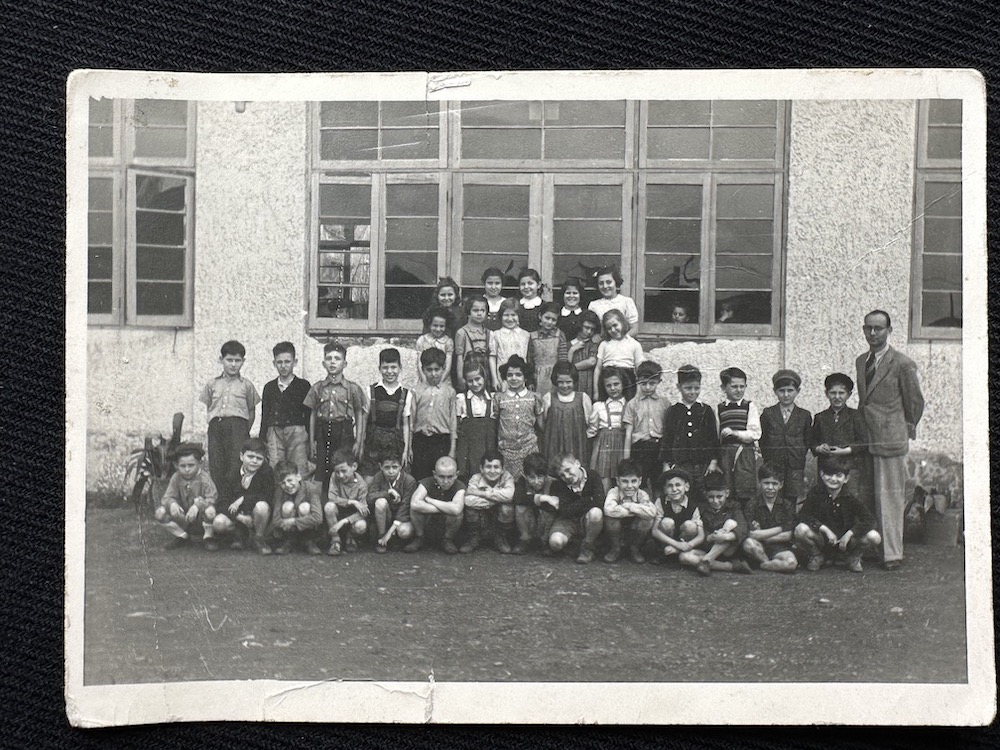
Kurt Wick: Class photo at Kadoorie School
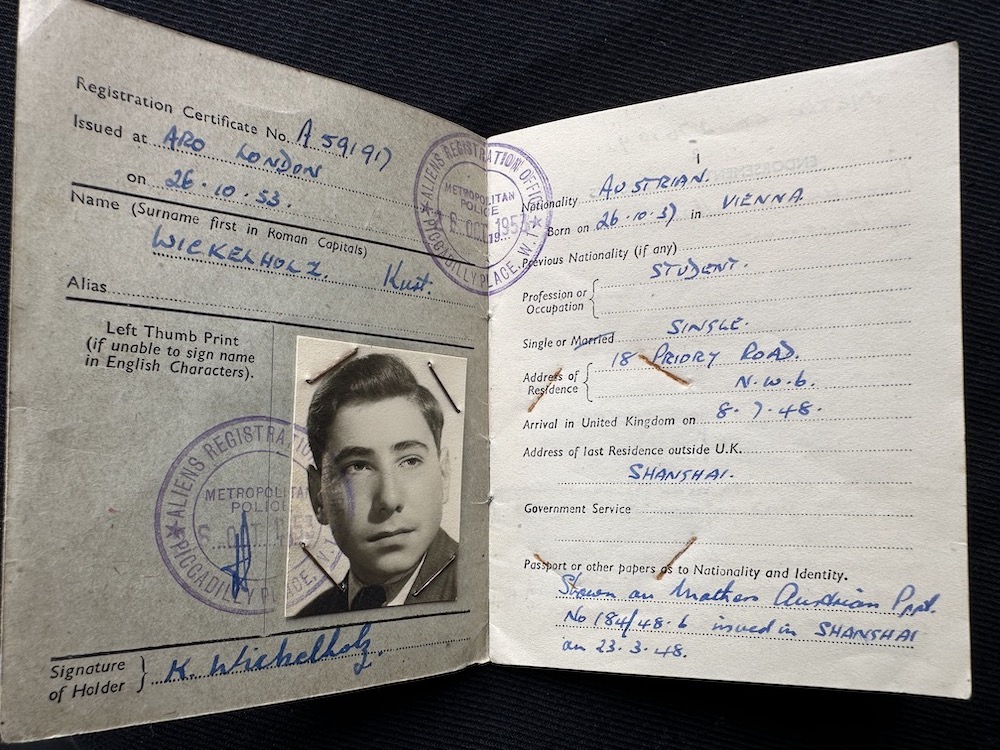
Kurt Wick: Certificate of registration as an alien on arrival in England in 1948
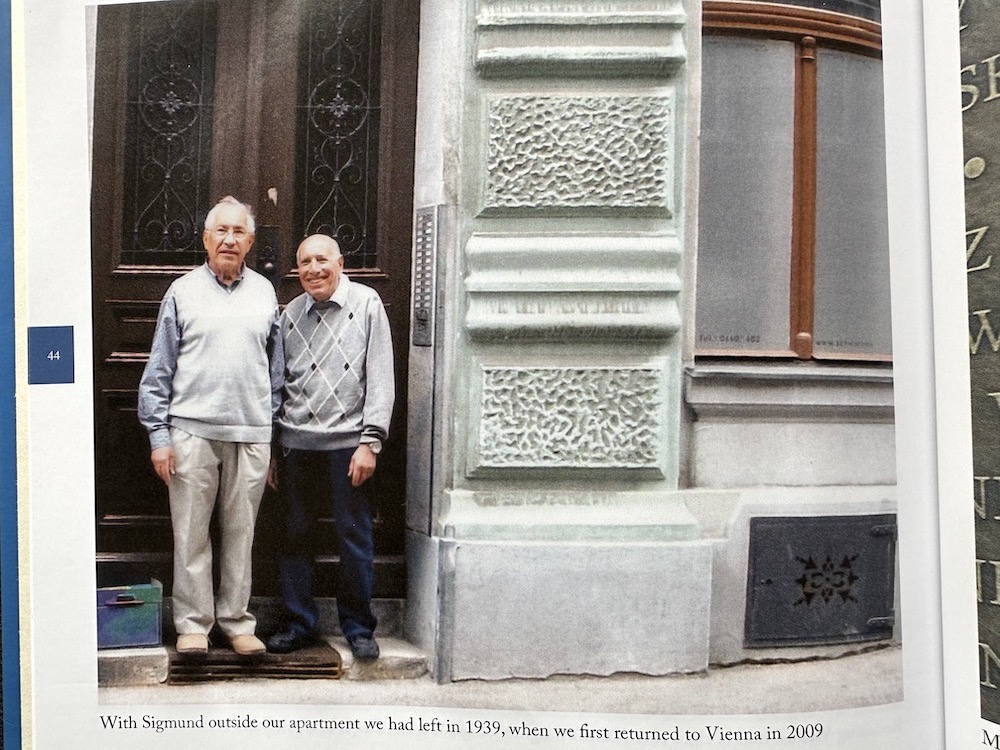
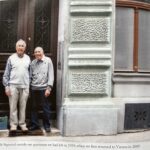
Kurt Wick: Kurt with his brother in 2009 for the first time back in Vienna at their former address
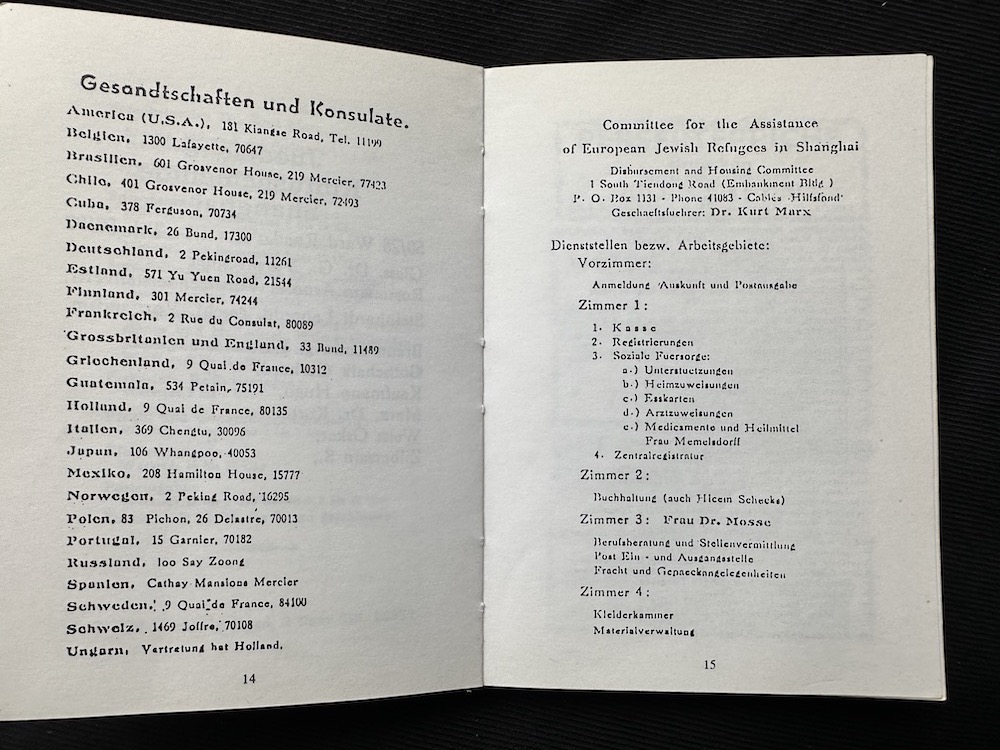
Kurt Wick: "Address book of the immigrants to Shanghai from Austria and Germany"
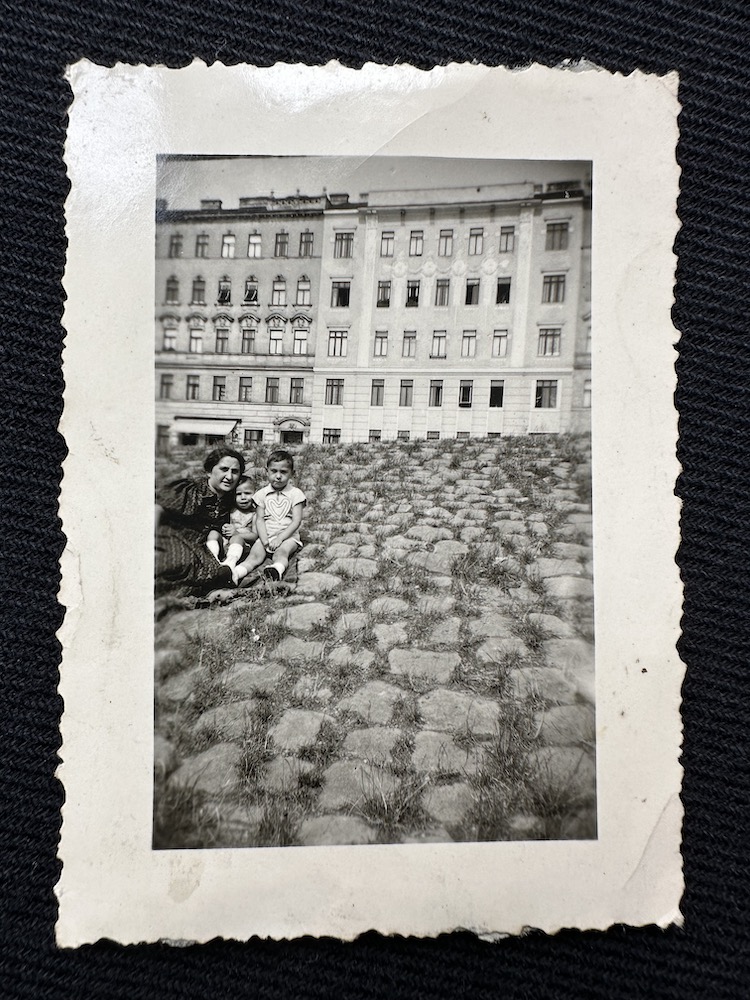
Kurt Wick: Kurt with his mother and older brother in 1938 on the banks of the Danube
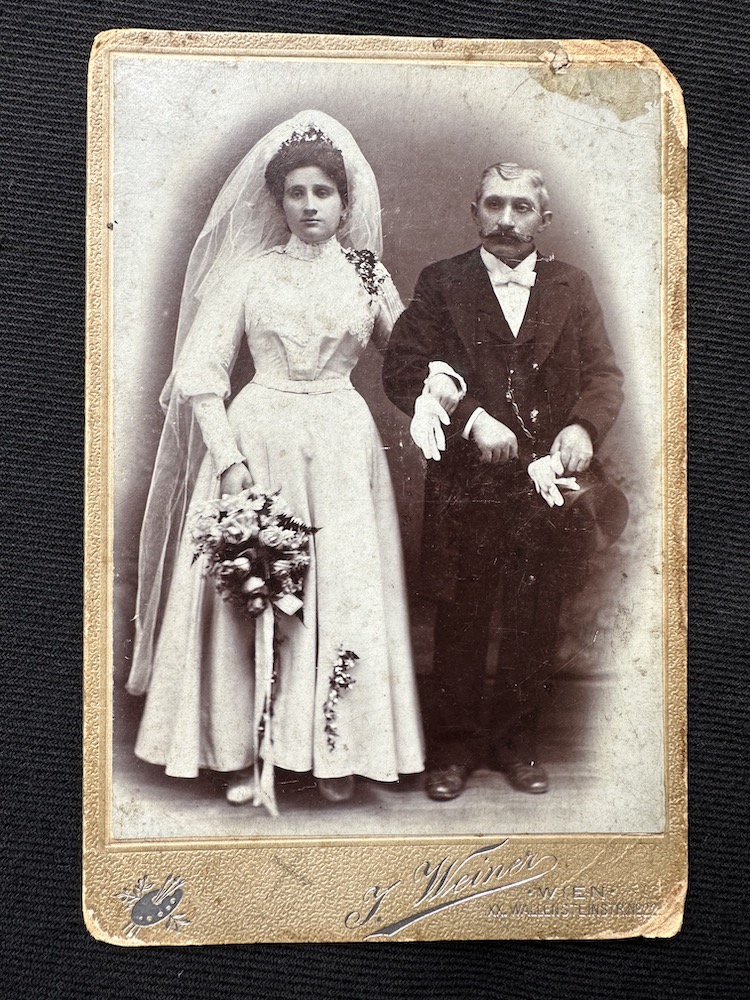
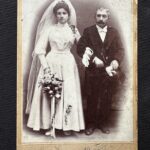
Kurt Wick: Wedding photo of great-grandparents
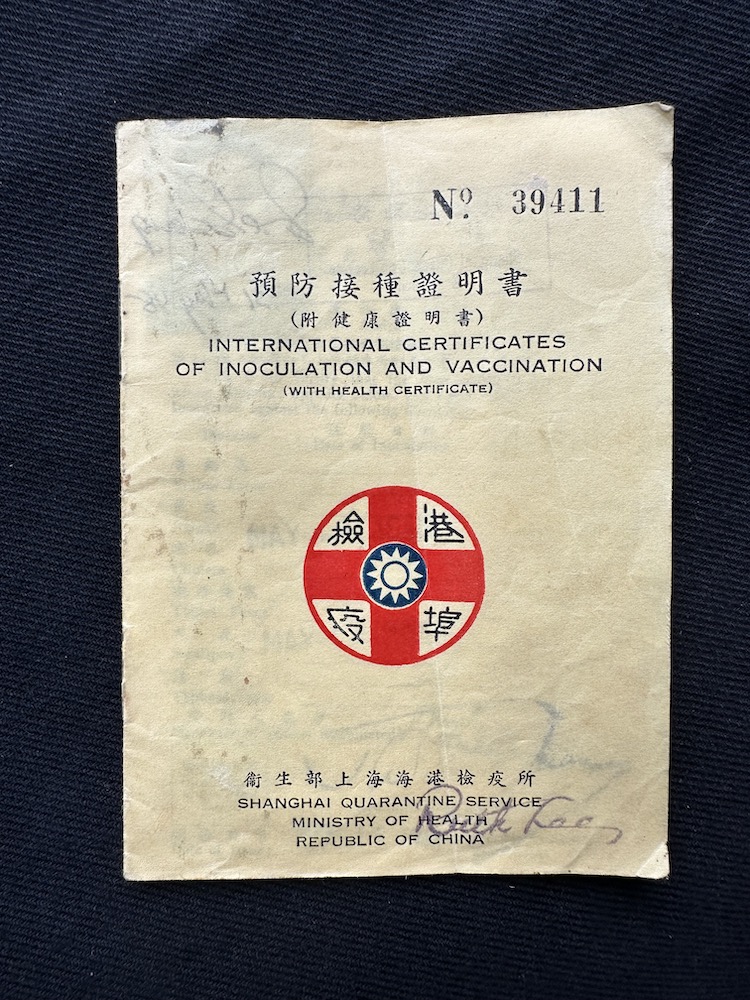
Kurt Wick: Booklet of the certificate of inoculation and vaccination
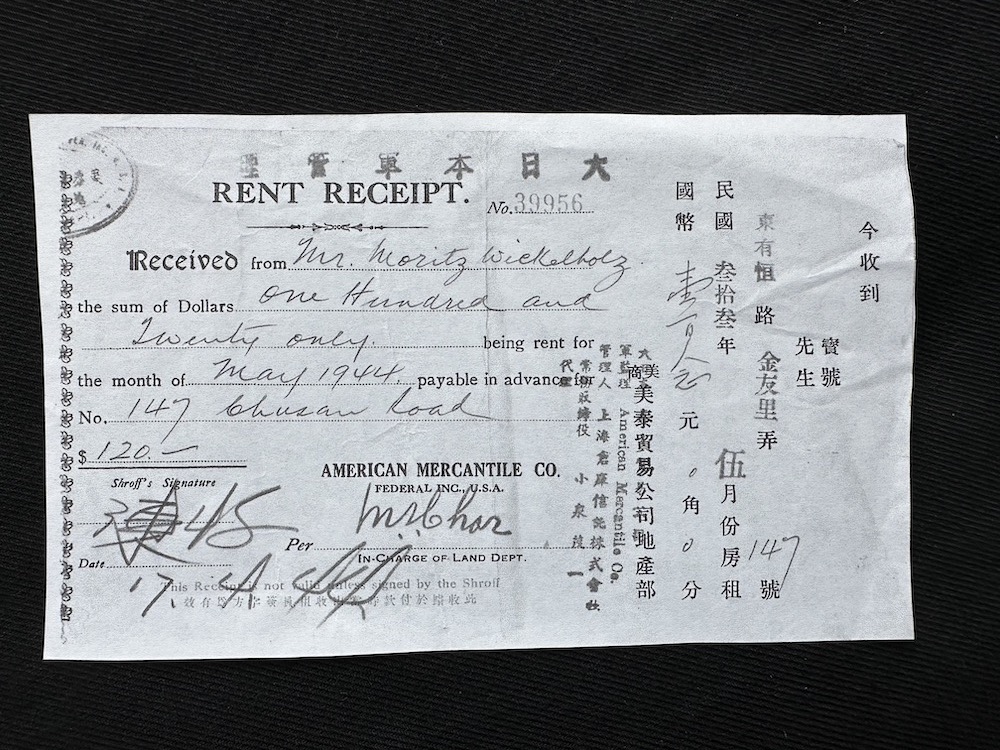
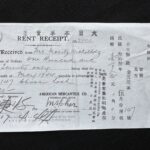
Kurt Wick: Rent receipt for 147 Shu Xiang Road in Shanghai
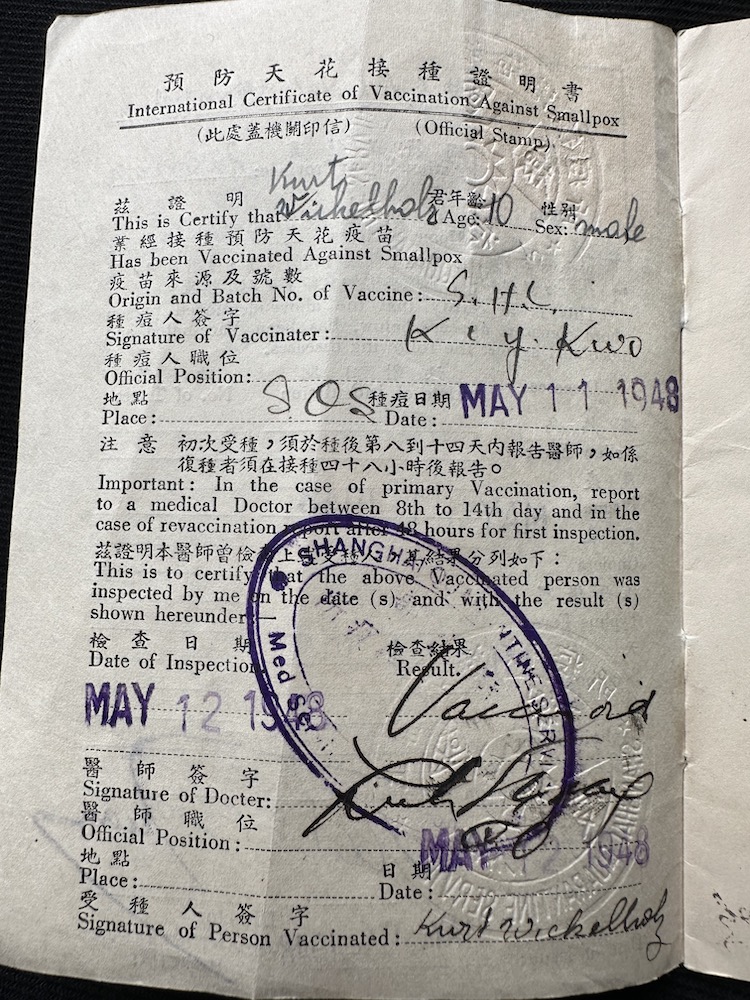
Kurt Wick: Kurt's booklet of inoculation and vaccination
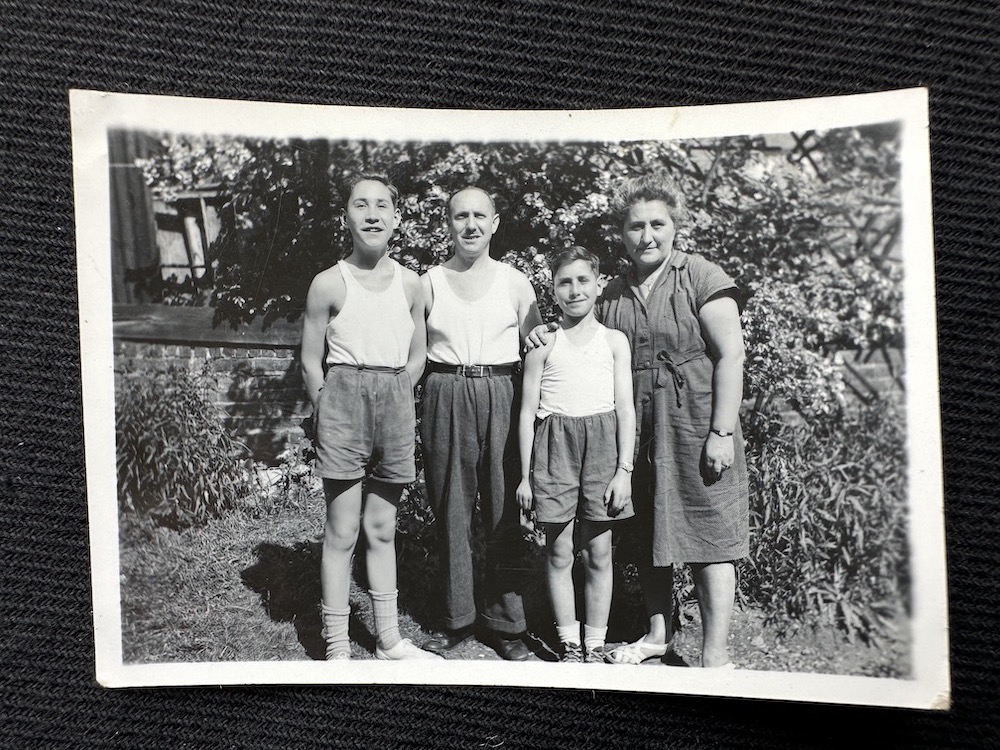
Kurt Wick: Kurt with his family shortly after their arrival in England in summer 1948 in their garden in West Hampstead.
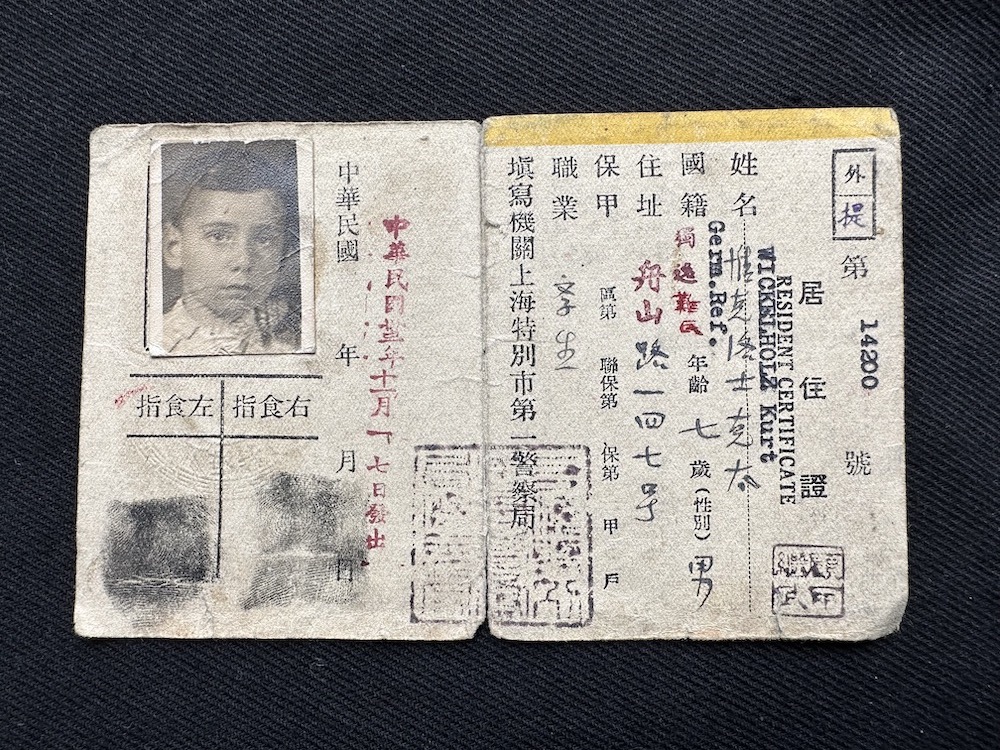
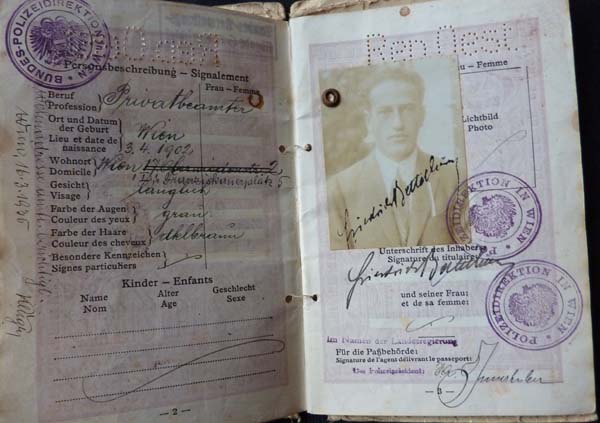
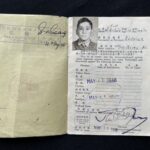
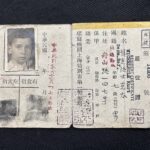
Kurt Wick: Residence certificate in Kurt's name. "You had to carry that with you all the time."
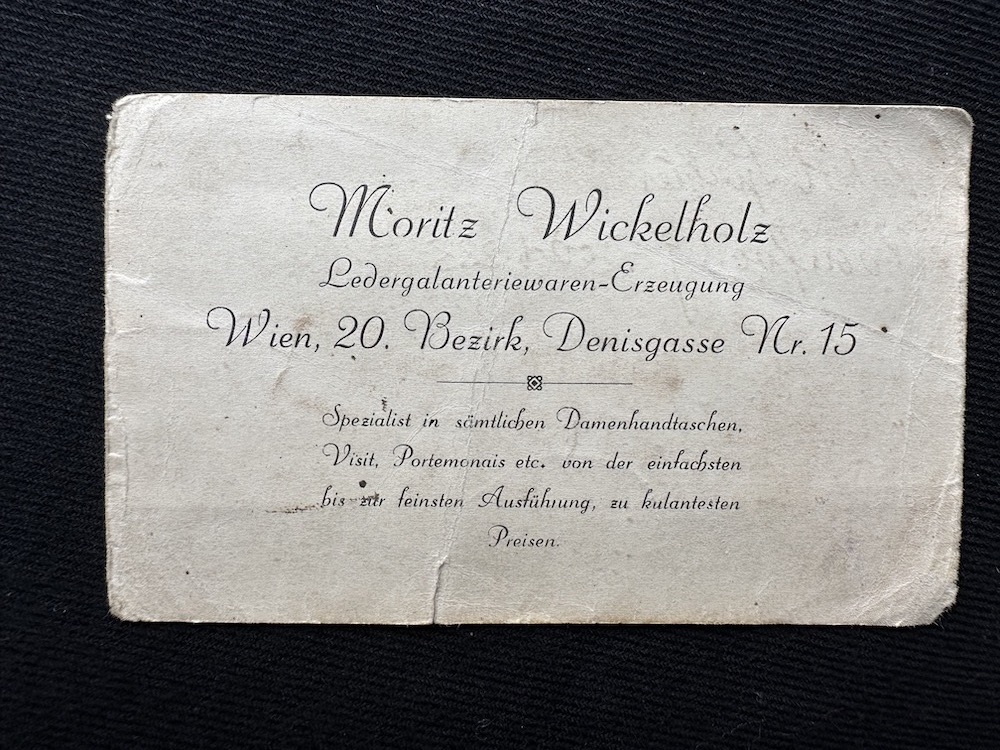
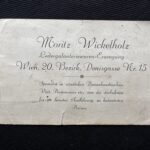
Kurt Wick: Kurt's father's business card
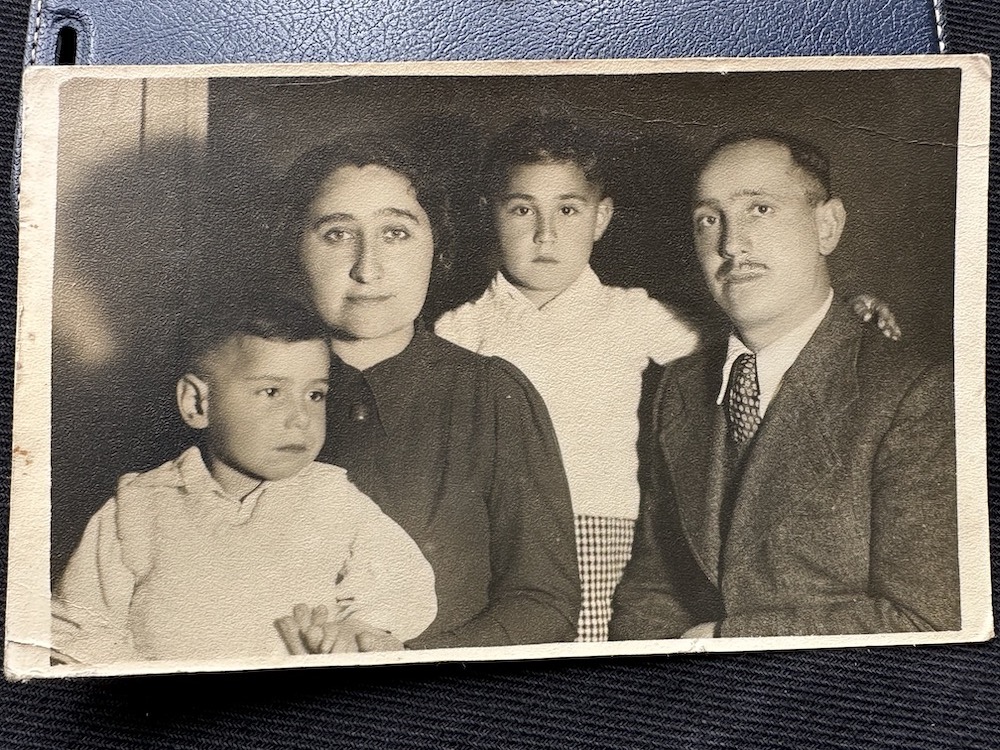
Kurt Wick: Kurt with his family when they had moved to their own place in Alcock Road
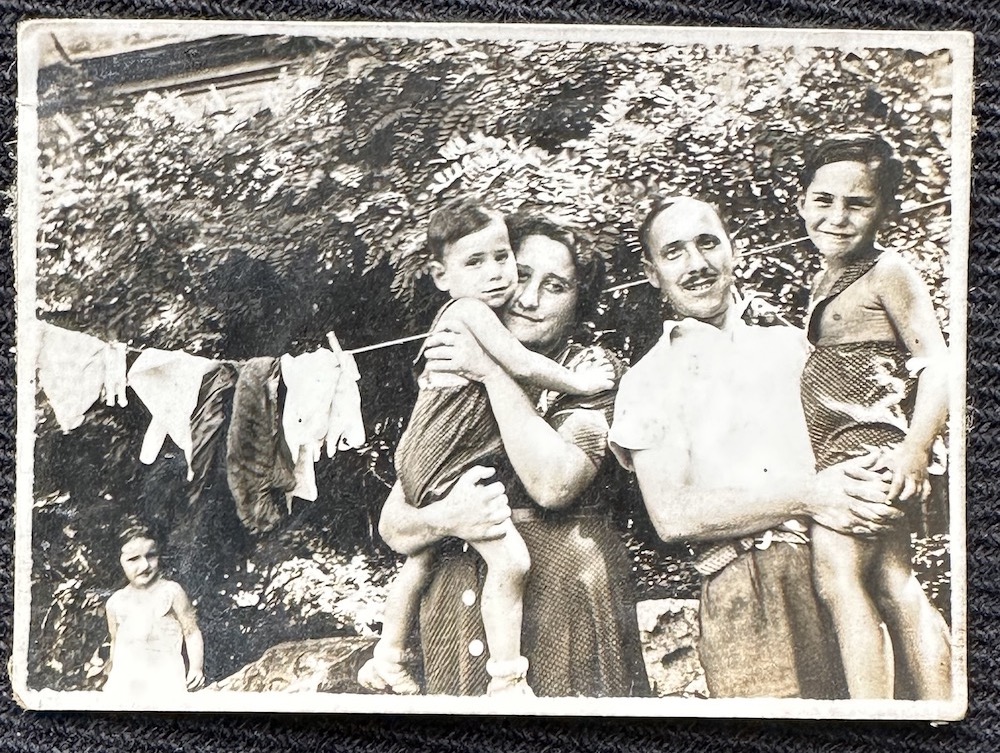
Kurt Wick: Kurt with his family in the garden of the "Heime complex"
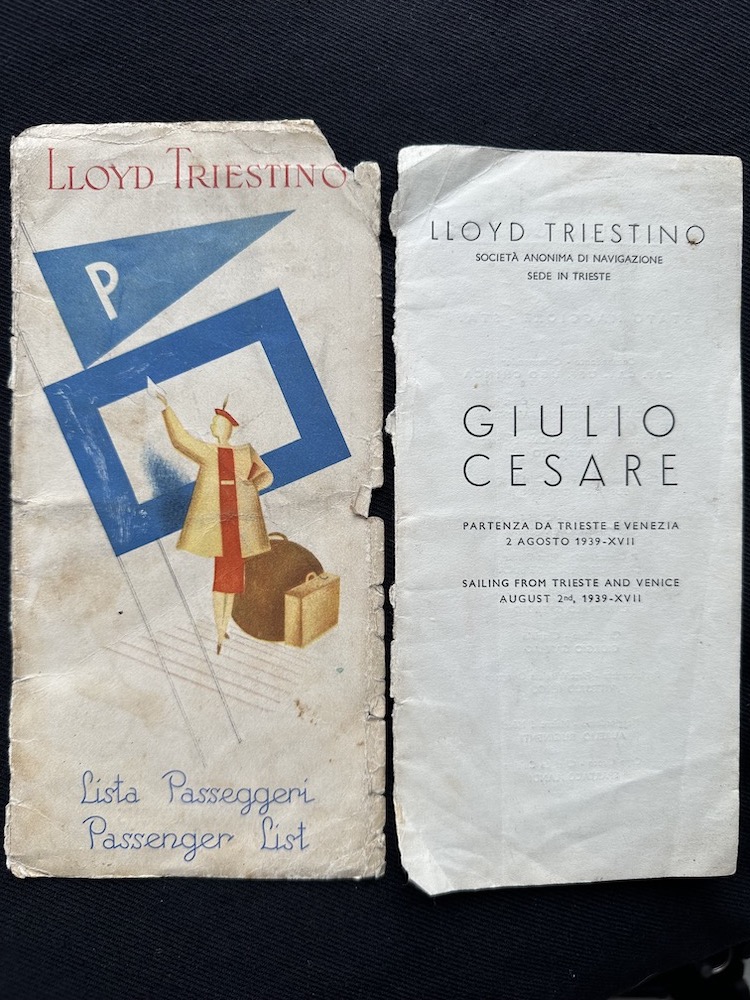
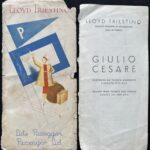
Kurt Wick: Lloyd Triestino
Kurt Wick: Kurt with his father
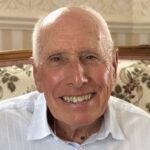
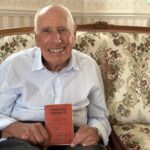
Kurt Wick
Kurt Wick, born Kurt Wickelholz in October 1937 in the 9th Bezirk of Vienna, was the second son of Moritz and Josefine Wickelholz
Born: 1937
Place of Birth: Vienna
Arrived in Britain: 01/05/1948
Experiences: Emigration to Shanghai
Interview Summary
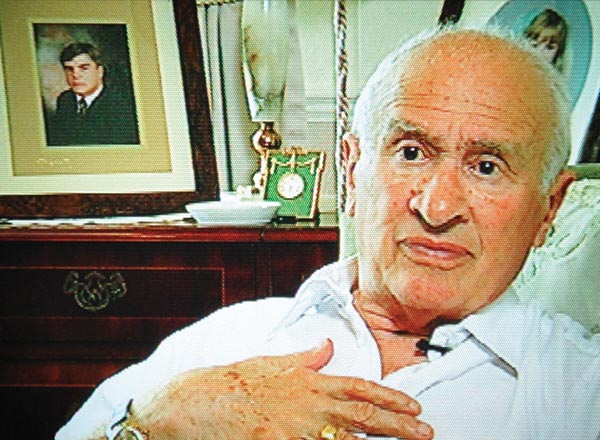
Kurt Wick, born Kurt Wickelholz in October 1937 in the 9th Bezirk of Vienna, was the second son of Moritz and Josefine Wickelholz. His father produced leather handbags with his brother. In 1938 his parents tried to emigrate. By chance a Jewish-Italian woman told Kurt’s uncle about the possibility of going to Shanghai. She helped them get tickets for a ship departing from Trieste.
On 28th August 1939 Kurt’s family and his uncle’s family arrived in Shanghai, where the local Jewish community had made provisions to help refugees, buying empty warehouses and schools in an area called Hongkew which were turned into housing for the refugees called “Heime”. When more refugees arrived, American Jewish aid organisations like the Joint and HIAS gave additional support. Kurt remembers that he was never hungry. His father had brought a sewing machine from Vienna and started making handbags which he mainly sold to the Japanese forces who occupied Shanghai. The family managed to move out of the “Heime” into their own house in an area called the “restricted sector”. Kurt and his brother went to the Kadoorie School and in the afternoons they played sport or went to the Talmud Torah.
After the end of the war, Kurt’s maternal aunt arranged for his family to come to London in 1948. She had come to England on a domestic visa. Kurt started his own handbag business after graduating from Hasmonean High School. One of his proudest achievements is that the Queen Mother bought one of his handbags as a Christmas gift for Queen Elizabeth. He met his wife Carol in the late 1950s, they got married and settled with their two daughters in North London.
Key words: Vienna. Wickelholz. Koslitschek. Trieste. Lloyd Triestino. Ship Giulio Cesare. Shanghai. Kadoorie School. Headmistress Lucie Hartwich. Heime. Hasmonean School. Sarah Klausner Synagogue. Mondaine handbags.
Place of Birth
We didn't have any homes. We had no food, we had no money, we had nothing. Luckily for us there was a Sephardic community there from the 1850s. The Sassoons, the Kadoories & the Hardoons, about 700 Jewish Sephardim there. They owned most of the Bund, a lot of the properties, they had palatial houses. They decided to help. So, they bought up empty warehouses in an area of Shanghai called Hongkew, bombed in ’32 by the Japanese. Cheap primitive properties known as 'Heime'. Families lived separated by blankets, very little privacy. But at least they were safe. They set up food kitchens. I remember the rows of taps for washing. We had the basics of life & we had the Jewish Kadoorie School & 6 synagogues. Gradually, they set up committees to help as well. So we survived. As far as I remember, I was never hungry in Shanghai. Things went quite well. People started founding businesses, coffee houses. They called it Little Vienna. My father started making handbags. He managed to get a little shop in East Yuhang Road. He made masks: the Japanese all wear masks. They made bomber heads for the Japanese in leather. They managed to make a bit of a living. They used the sewing machine from Vienna.
REFUGEE VOICES is the AJR’s groundbreaking Holocaust testimony collection of filmed interviews with Jewish survivors and refugees from Nazi Europe who rebuilt their lives in Great Britain.
The copyright of personal photos and documents on the site is held by each interviewee and may not be reproduced without their permission. Please contact the AJR if you would like to use any of the images and documents.