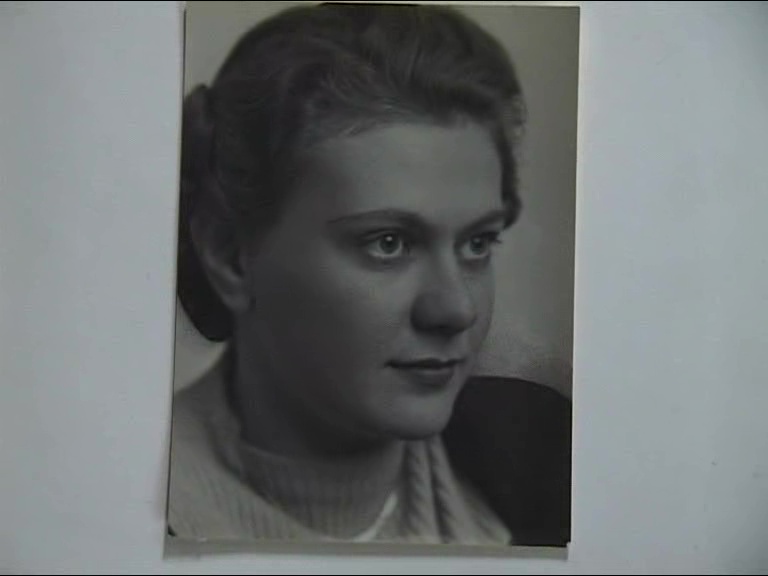
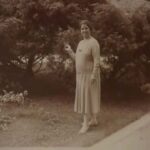
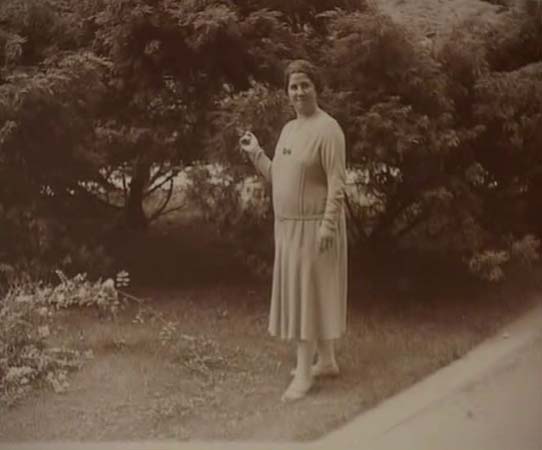
Lillian Heyman: Mother
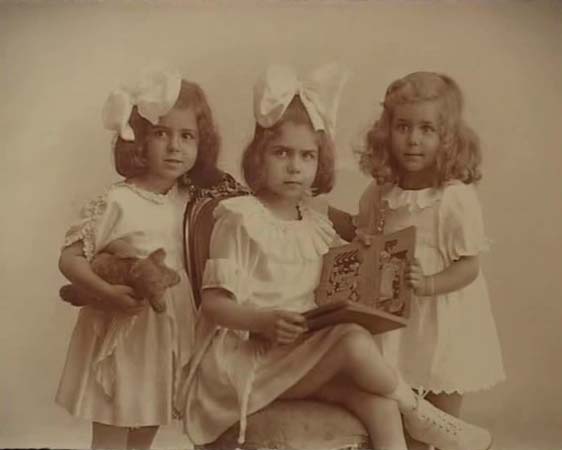
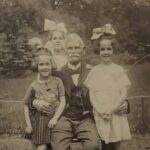
Lillian Heyman: Lillian (left) at Grandfather’s birthday
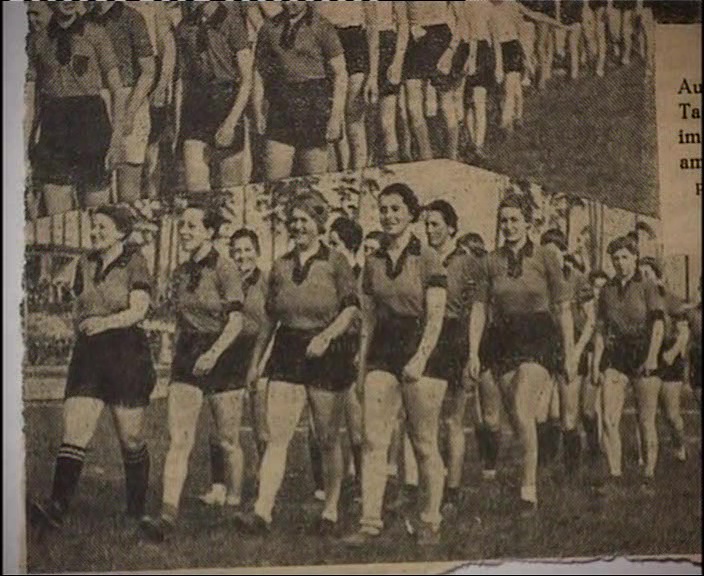
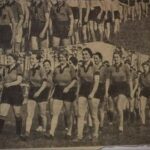
Lillian Heyman: Handball teams of the Jüdische Sportgemeinschaft (JSG) on Parade
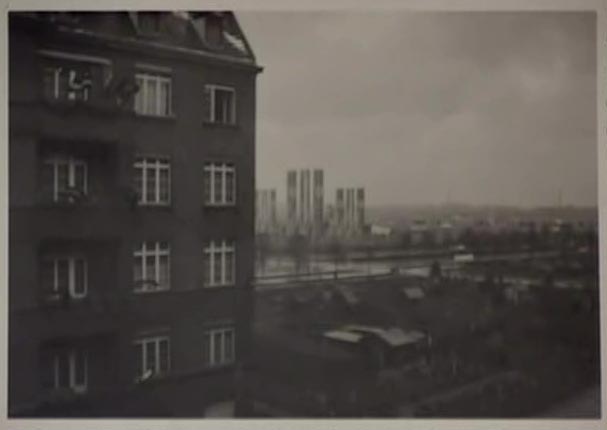
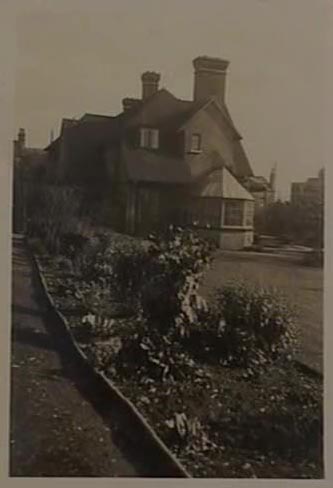
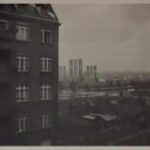
Lillian Heyman: View from Balcony of Aerodrome
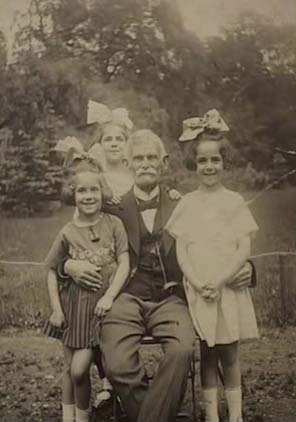
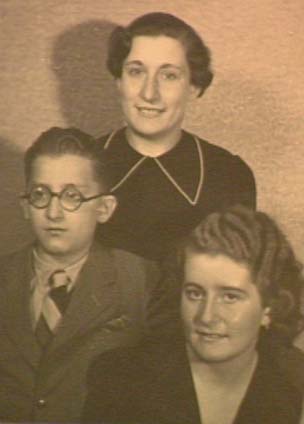
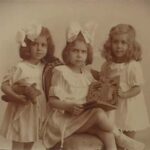
Lillian Heyman: Lillian (right) at Grandfather’s 77th Birthday, with Gerda (left), and Irene (back).
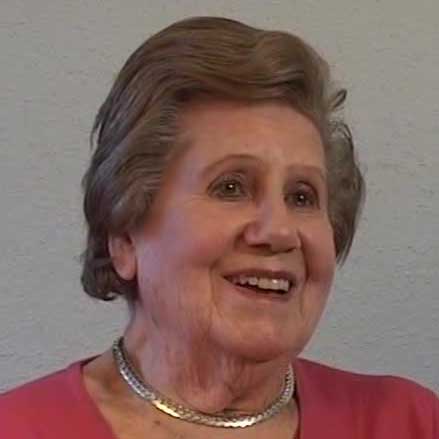
Lillian Heyman: December 2006
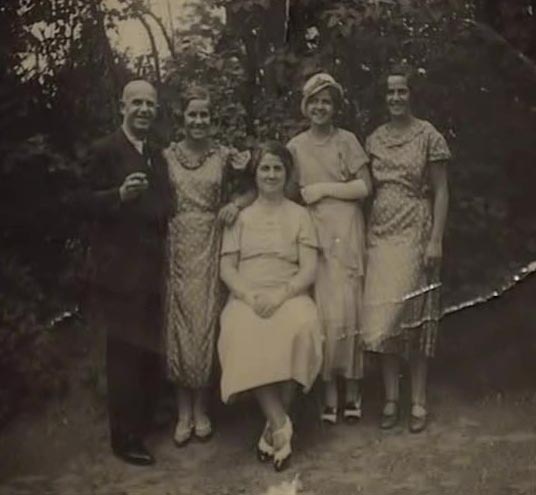
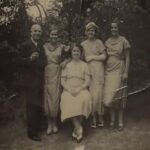
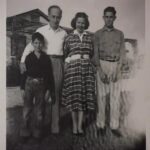
Lillian Heyman: Family Photo: Father (far left)
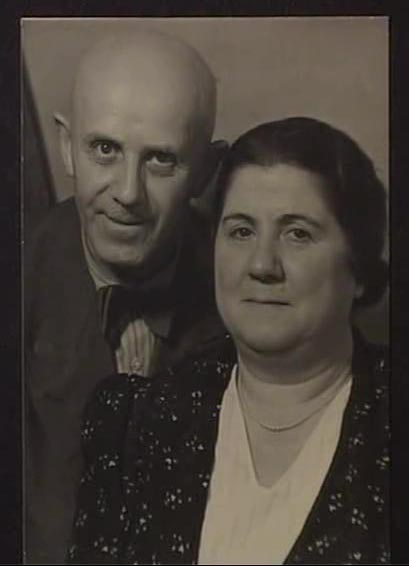
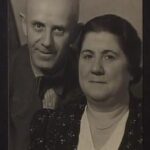
Lillian Heyman: Parents
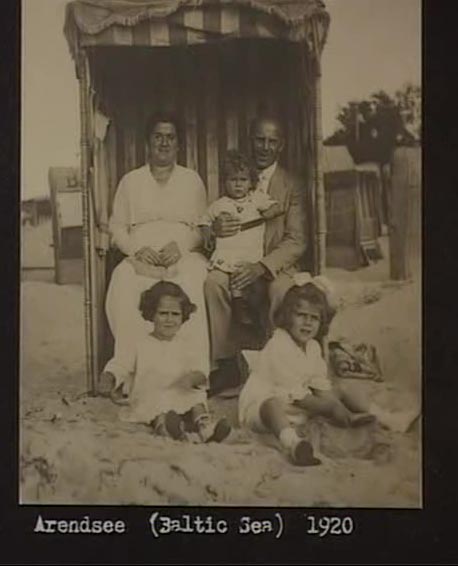
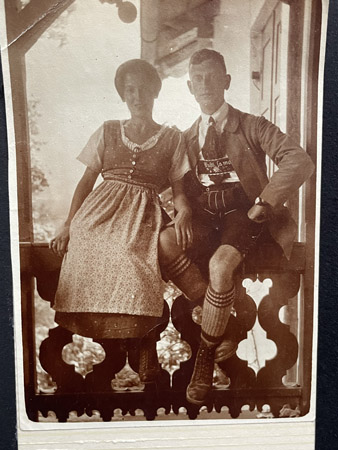
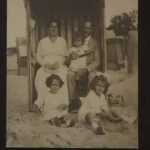
Lillian Heyman: Family holiday photo. Mother, Father, Lillian (year-old), Gerda (middle sister, left), Irene (elder sister, five). Baltic Sea, Arendsee, 1920
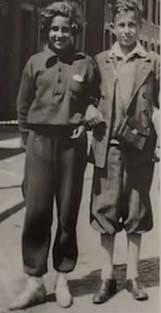
Lillian Heyman: Lillian and her husband meeting again
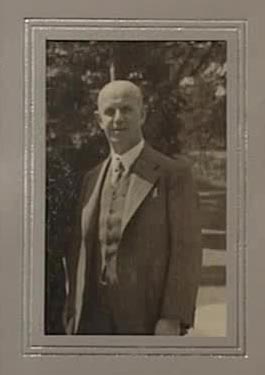
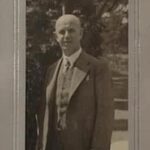
Lillian Heyman: Father
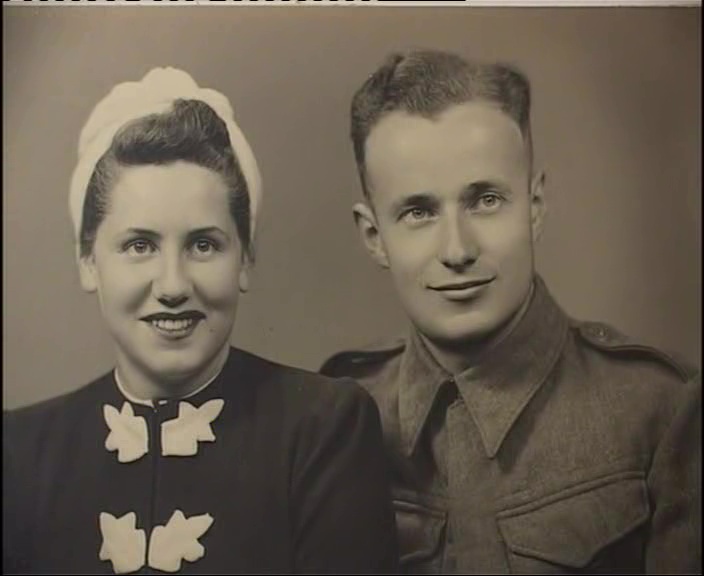
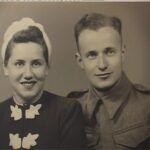
Lillian Heyman: Lillian Wedding Photo
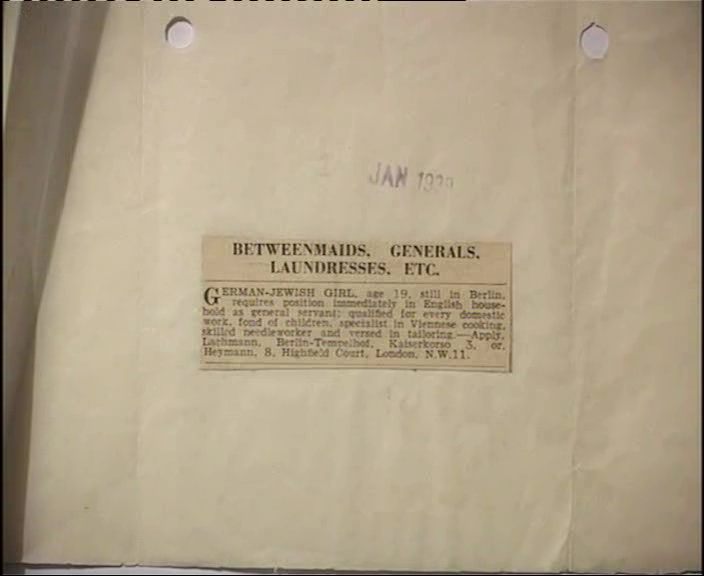
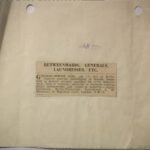
Lillian Heyman: Daily Telegraph Advertisement submitted by Ernest (husband) for Lillian to gain work in England as a general servant in an English household
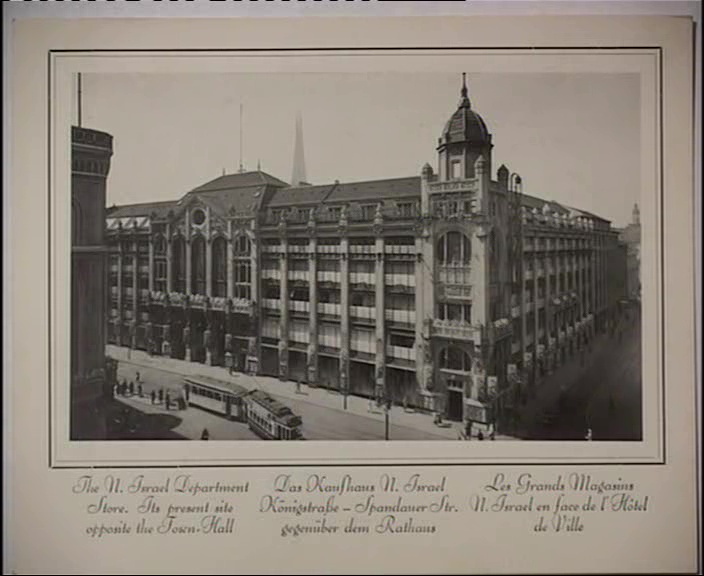
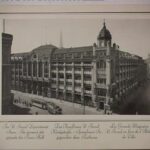
Lillian Heyman: N. Israel Department Store where Lillian worked from 1935-1938. ‘[A]fter the Kristallnacht
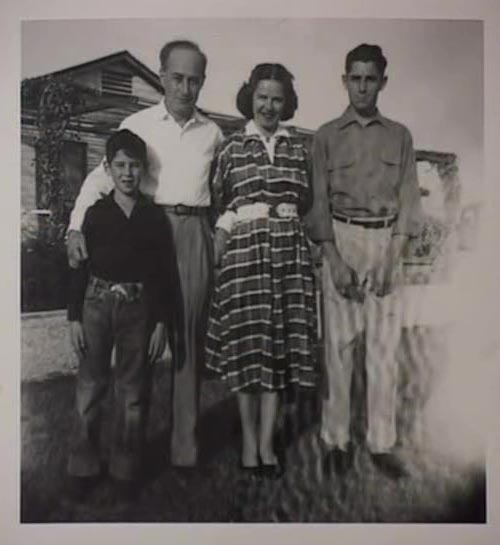
Lillian Heyman: Gerda
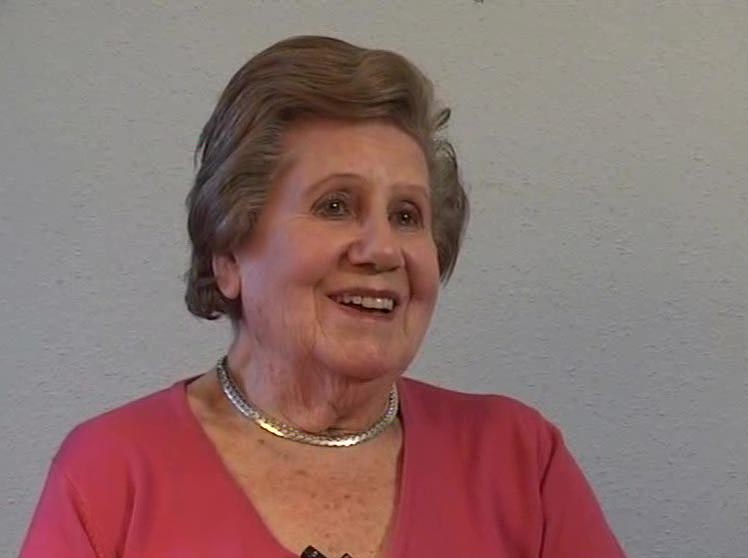
Lillian Heyman: December 2006
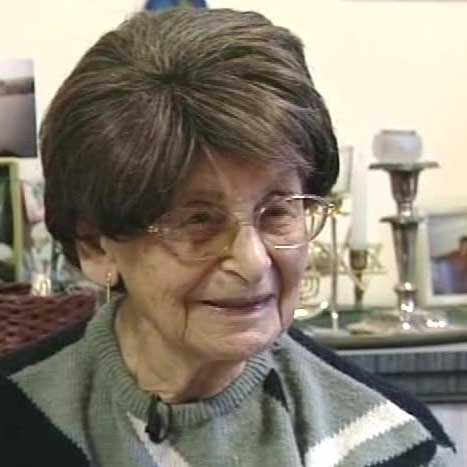
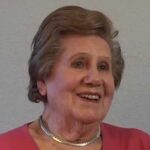
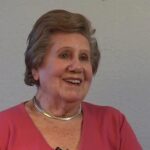
Lillian Heyman
Lillian Heyman, nee Liselotte Rosl Lachmann, was born 1919 in Berlin
Born: 1919
Place of Birth: Berlin
Arrived in Britain: 01/02/1939
Interview Number: 141 (S)
Experiences: Domestic Service
Interview Summary
Lillian Heyman, nee Liselotte Rosl Lachmann, was born 1919 in Berlin. She left school at 16 to train as a window dresser and worked in the big department shop ‘Kaufhaus N. Israel’. Her future husband Ernst Heyman (Ernest Heyman) who had been in the UK since 1936 put an advertisement for a domestic position in the papers (which she reads out at the end of the interview). Lillian came to the UK in February 1939 on a domestic visa. She later found work as a window dresser. She now lives in London and has two children.
Place of Birth
My husband decided he wanted to see Berlin again and we went by train through Holland. Where the East Germans came in it felt just like the Nazi period again: dogs outside, everything dim, towers where they overlooked the zone. Then arriving in West Berlin with bright lights- was extraordinary. I went to the first flat where we lived for fifteen years. I stood outside and desperately wanted to go in. A foreigner opened, a young woman, probably Turkish, I told her I used to live there as a child, so many years ago. She let us in. It did something to me; it helped me immensely, contrary to my expectations. It helped me.
I remember clearly on the day Hitler was elected, I went to a birthday party of a non-Jewish friend from school. We listened to the news and heard, and I was terribly depressed and worried. I knew how my parents would feel. We realised that we’d have to do something, although one didn’t think of emigration at that time. We hoped it wouldn’t last for very long.
We went to the synagogue for the High Holy Days, all dressed up, walking a long way to the Potsdamer Platz or Lindenstraße. Lindenstraße was our synagogue, but for the High Holy Days very often you had an overflow, and we were very fortunate to go to the philharmonic hall in Berlin, where accidentally, I was taken to a concert, a beautiful concert, when I was about twelve. We all went, the whole family went, and the soloist was a young boy, standing in front of the audience, in front of the large orchestra in shorts, and his name was Yehudi Menuhin which was very exciting. I was just about two or three years younger than he. My mother often went, my parents went. My mother loved the opera, and she took one of us along, and we went to my first opera. She took me along to Wagner’s Meistersinger von Nürnberg, which made a big impression on me. Ever since, I’ve been an opera lover.
REFUGEE VOICES is the AJR’s groundbreaking Holocaust testimony collection of filmed interviews with Jewish survivors and refugees from Nazi Europe who rebuilt their lives in Great Britain.
The copyright of personal photos and documents on the site is held by each interviewee and may not be reproduced without their permission. Please contact the AJR if you would like to use any of the images and documents.